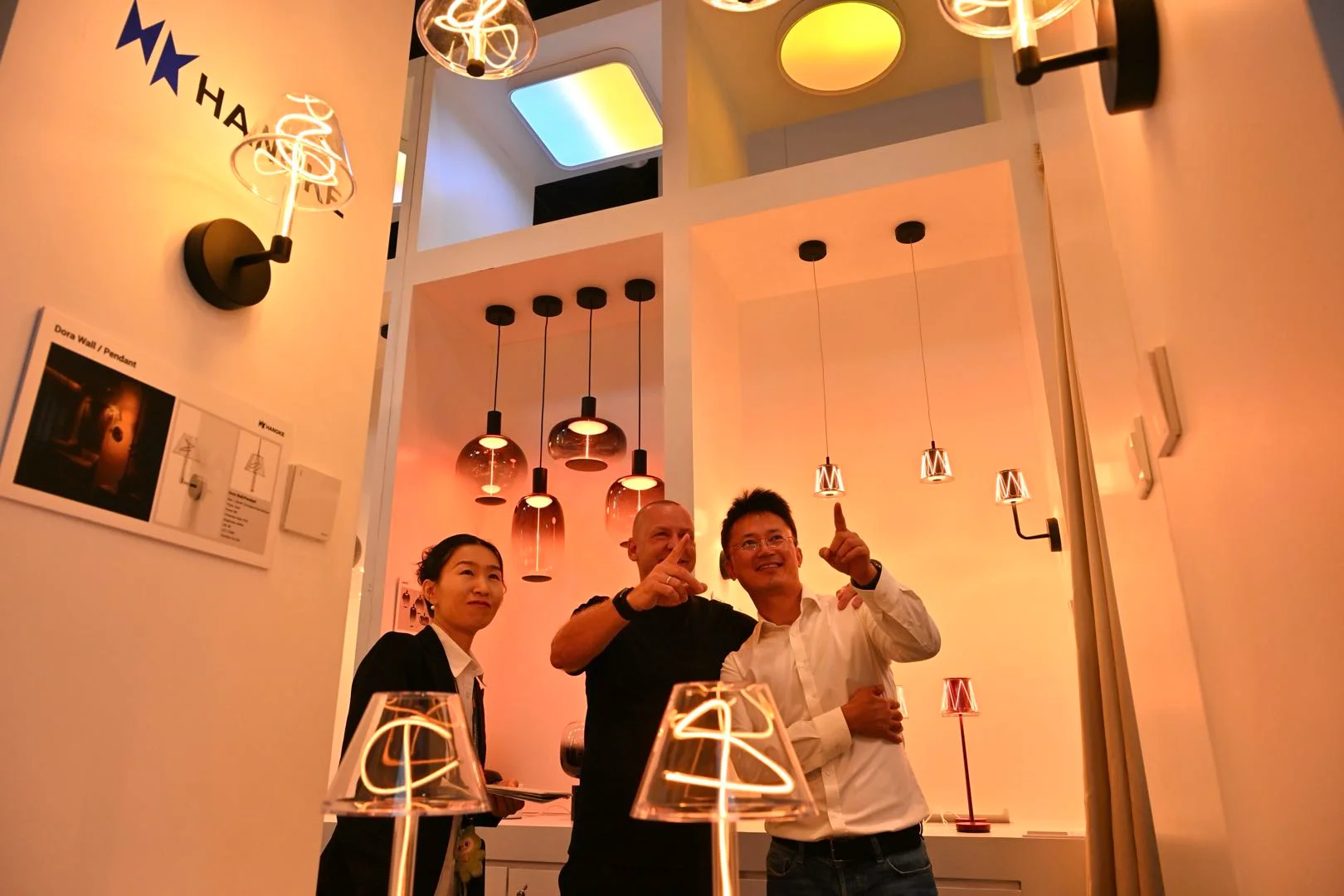
Hong Kong Lighting Fair 2026 Recap: Trends from Our Booth
Four days at the Hong Kong Convention and Exhibition Centre, the design currents buyers responded…

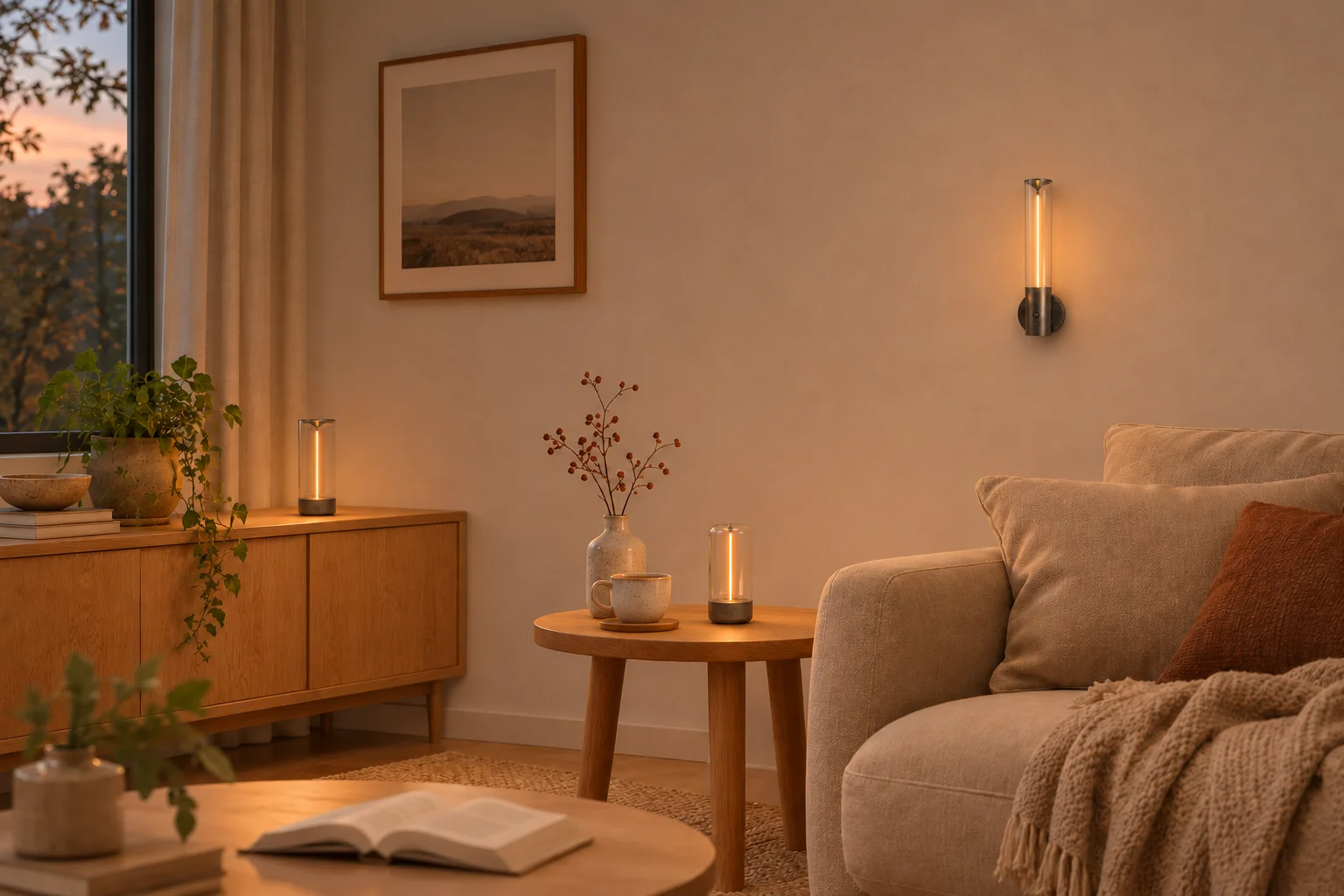
Every collection starts the same way: a folder of reference images, a style direction, and the conviction that “we can sell this.” The distance between that folder and a purchase order is where decorative lighting collections are won or lost. This guide walks brand product managers, buyers and founders through the five decisions that close the distance, working with a decorative lighting manufacturer on an ODM basis.
Positioning comes before any mood board leaves the building, and it answers three questions. Who will sell the collection — retailers, brands, hospitality buyers? Where will it burn — living rooms, hotel corridors, restaurant patios? And at what price? The answers set everything downstream: glass cost, certification markets, order quantities, even which formats belong in the family.
There is a quieter fourth question: is this collection creating demand, or defending share you already hold? A new family that overlaps your existing SKUs competes with them, usually at a lower margin — we covered how to separate the two outcomes in demand creation versus cannibalization.
A collection brief starts with three markets — who sells it, where it burns, at what price — before any mood board.
“Warm modern with a sculptural feel” is a direction, not a specification. Style becomes buildable when every aesthetic word maps to one of four decisions:
The Twins 360 LED filament bulb shows the last layer: two matched light sources in one glass envelope, one facing forward and one filling the space behind — a light effect that changes which lamps the bulb can serve, not just how it photographs.
Style becomes product language when every aesthetic word is mapped to a buildable decision: a glass shape, a filament outline, a finish, and a light effect.
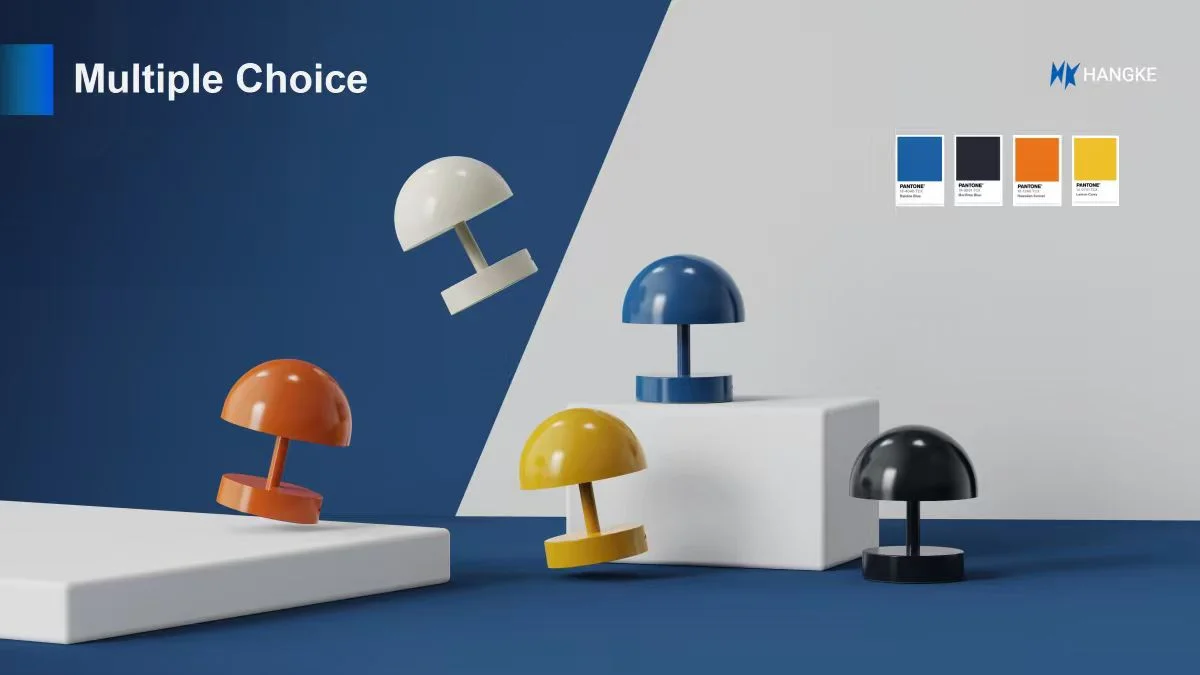
A collection needs two opposing forces held in balance. The first is recognition: one element repeats across every SKU — a silhouette line, a filament signature, a finish family — so a customer sees five products and one voice. The second is usefulness: no two SKUs share the same job. A table lamp for ambient evenings, a wall light for circulation spaces, a pendant for the dining table, a portable for the terrace — each earns its place by doing work the others do not.
Price tiers follow the same logic. Two models that look alike at two prices need a visible, structural reason for the gap, or the cheaper one wins the shelf and takes the margin with it. This balance of distinctiveness and range discipline is one of the core moves in building a differentiated lighting category.
A family is recognisable when one element repeats across every SKU — and useful when no two SKUs share the same job.
The most expensive surprises are the ones discovered after design approval, so experienced buyers pull production questions to the front. The big ones:
Running these questions with a shortlist of factories is also how you test them; the seven checks for evaluating a decorative lighting OEM manufacturer map directly onto the risks listed here.
The first conversation with a factory sets its tone, and it goes well when five things are on the table:
If the collection runs as custom lighting design and private label development, these five items become the document your supplier holds you to.
A brief is quotable when a factory can return a price without asking a single clarifying question.
A family of three to six SKUs — a table, a wall and a pendant sharing one design language. That fills a planogram story better than twelve unrelated items and gives the factory a realistic path to consistency across the set.
The five preparation items: reference images, target markets and certifications, functional requirements, budget band, and expected volumes. A supplier who receives decisions returns a price; one who receives impressions returns a range.
With three sign-off artefacts named in the purchase order: a golden sample both sides keep, fixed light-source photographs taken at approval, and a written approval referencing both. Every reorder inspection runs against those artefacts, not against memory.
Hangke works with brands, retailers and wholesalers as an ODM partner for brands, retailers and wholesalers. If you have the style direction and want help turning it into product language, we are happy to walk through the five decisions with you before quoting.