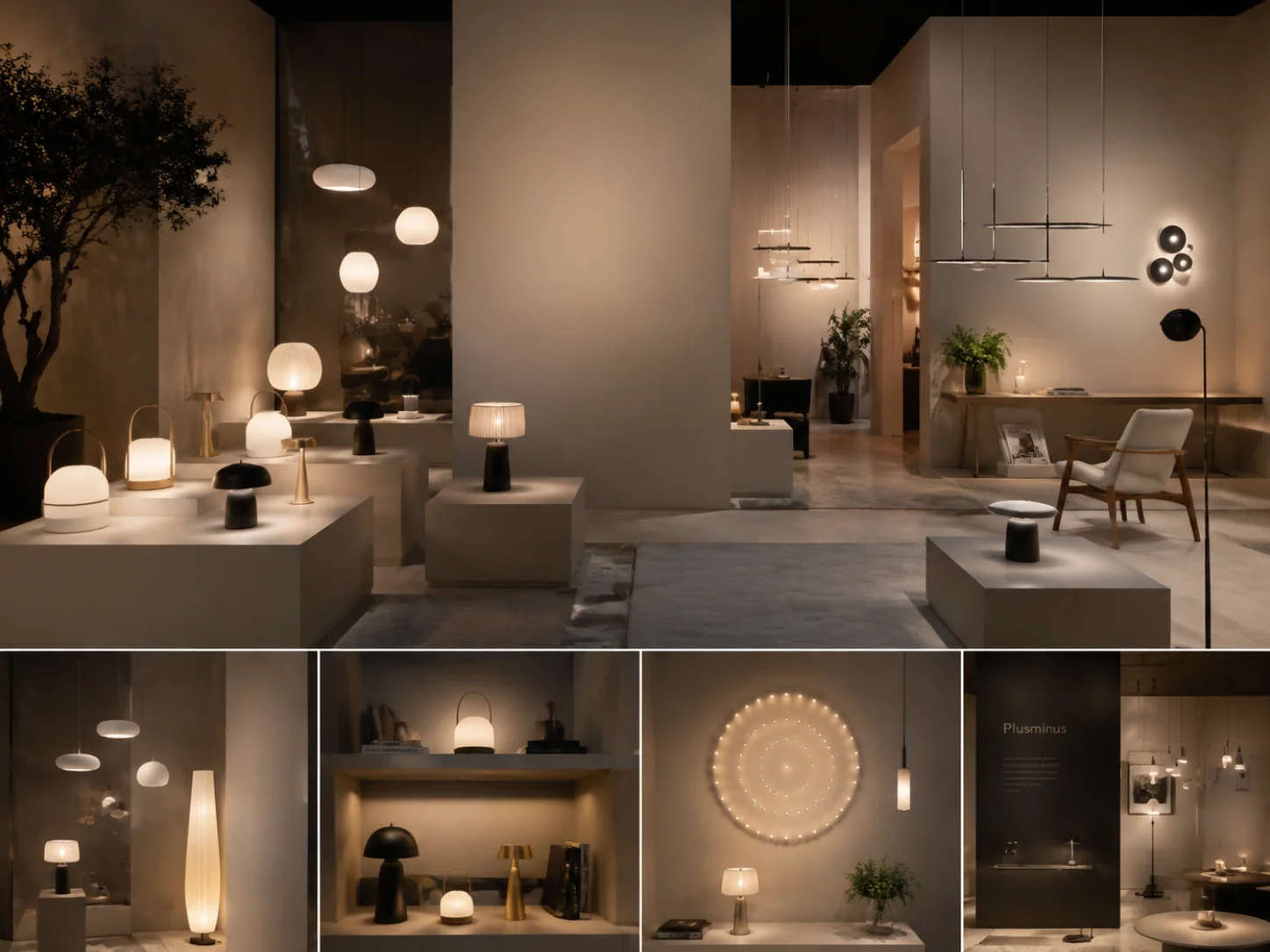
Hotel Room Lamps: What Hospitality Buyers Specify
A hotel room lamp leads a harder life than any lamp in a home. It…

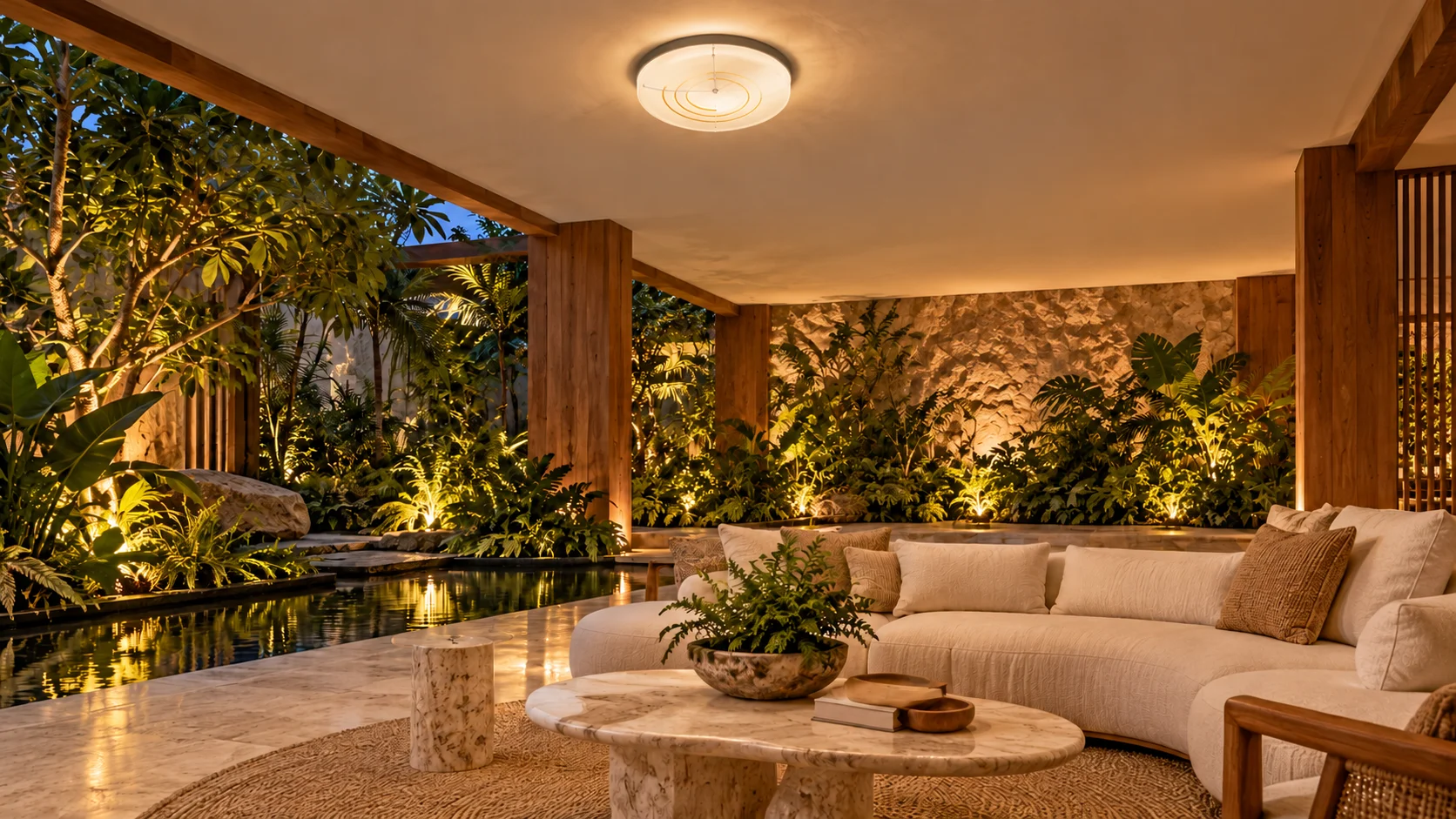
Most retail buyers treat hotel-grade as someone else’s problem: a spec for a project buyer furnishing three hundred rooms, not for a brand building a consumer collection. That framing costs money. The construction differences that let a lamp survive a hotel are the same ones that decide whether it survives a returns process, a courier network and a customer who photographs the defect.
Two lamps can look identical in a catalogue and differ entirely in what they are built to endure. A residential fixture is specified for occasional use in a settled household. A hotel-grade fixture is specified for being switched repeatedly, moved by people who did not buy it, cleaned with agents it never chose, and left running unattended. Those conditions are not exotic — just more of the wear a consumer product meets at a slower rate. Read hotel-grade not as “built for hotels” but as “built with the wear already priced in”. The hospitality side is covered in our guide to hotel room lamps; what follows is what changes when the lamp ships into retail.
The difference is rarely visible. It sits in wall thickness, thread depth, switch rating, cord gauge, and the way a base is weighted so a nudge does not end the product’s life. A residential build can pass a sample inspection and still carry no margin for the ten-thousandth cycle. When a buyer asks us to hold a price point, this is the first place cost gets removed — and the last place it should be.
Plating thickness and lacquer systems look identical on day one and diverge by month eight. Alcohol-based cleaners, sunscreen on hands and repeated wiping are ordinary consumer behaviour, not abuse. A finish specified only for appearance tends to fail once the customer has owned it long enough to feel entitled to complain.
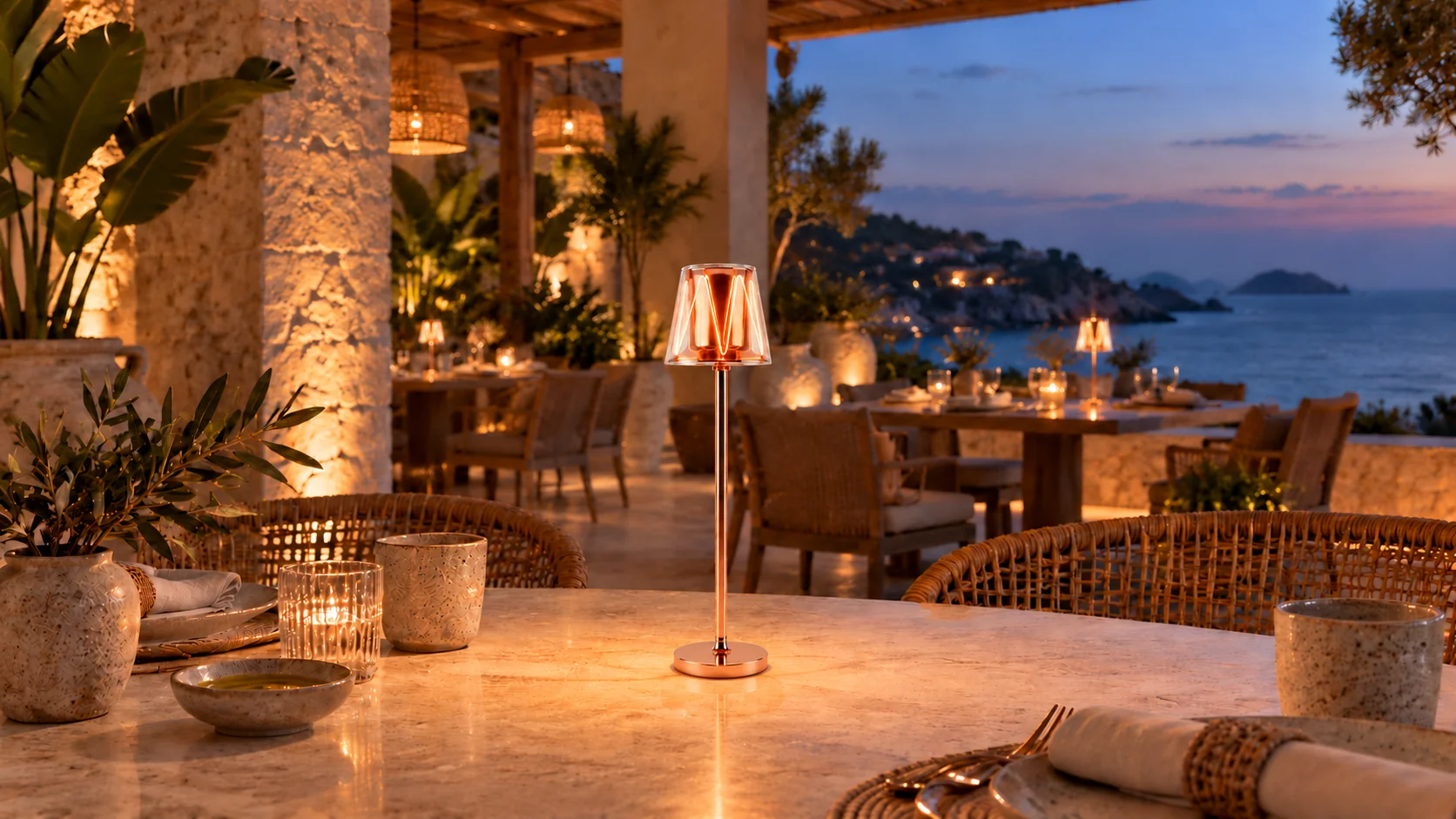
Retail does not ship one lamp; it ships a run, then reorders it. If colour temperature drifts between batches, two units bought six months apart read as two products in one room — and side by side in review photos. We hold CCT within ±100K across a run for this reason. Sample quality wins the order; batch consistency protects the reorder.
A warranty claim is not one cost. It is reverse logistics, inspection time, a unit that cannot be resold, a replacement at your expense, and a review visible for years. Against that, the delta between a residential-grade and a hotel-grade hinge, switch or finish is small — a fraction of landed cost, and less than handling one return. That is the argument a sourcing team can put to a commercial director without appealing to taste: the upgrade reduces a variable cost that scales with volume.
In hospitality a lamp usually travels once, in bulk, to a site. In retail it travels individually, through sorting centres and doorsteps. Drop performance, inner protection for shades and glass, and a carton that survives the second journey back all become part of the failure profile. A lamp built to hotel-grade standards but packed to residential standards still generates returns: the spec has to follow the product to the door.
The briefs that produce predictable results share a structure: intended channel and use intensity, target price band and volume, the wear-critical points you care about, finish and colour tolerance, certification target by market, and packaging expectations. Vague briefs invite the factory to guess, and guesses default to the cheaper interpretation. Our decorative lighting program is built around this, and the ODM team works from drawings, a reference sample or a written brief.
Many brands carry the same silhouette twice: an entry price point for volume and a hotel-grade build for contract and premium retail. Done deliberately this is range architecture; done by accident it is cannibalisation. The workable version separates them on construction and warranty terms rather than appearance, and makes the difference legible, or the cheaper unit absorbs the expensive one. Cordless formats make this easier: the spec moves to battery, dock and service life instead of cord and socket. A cordless lamp like our Cup Cake is specified differently for a retail carton than for a contract fit-out, on the same shell.
For decorative fixtures we typically quote 300–500 pieces for a full program, with a trial run at around 100 pieces — enough to test a hero SKU in one channel before committing. North American builds run 120V/E26 with UL or ETL, European builds 220–240V/E27 with CE; a North American version is a product-line capability, not a per-order favour. Buyers sizing up the hospitality version can start with our table lamp manufacturing page, the wholesale program or the table lamp collection, then send us the spec — we will tell you where the cost actually sits.