Best Mid-Century Lighting: How to Choose for Your Space
Mid-century modern is back — not as a passing revival, but as a durable design…

Walk into any home improvement store or browse any online marketplace, and you will quickly notice a common challenge in today’s lighting industry:
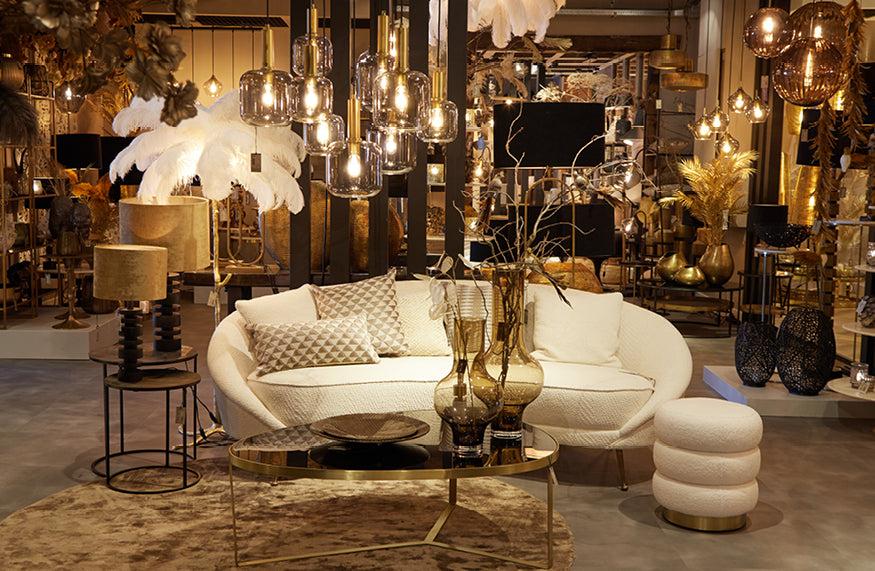
Many products look the same.
For retailers, this creates growing pressure. Expanding a lighting category is no longer simply about adding more SKUs. More products do not necessarily mean more sales.
The real question has become:
How can retailers create a lighting assortment that gives consumers a reason to choose their products over countless alternatives?
As consumer expectations continue to evolve, successful lighting categories are moving beyond basic illumination. They are becoming part of a broader lifestyle experience — shaping how people feel, decorate, and interact with their spaces.
For retailers, differentiation is becoming a key factor in building stronger customer loyalty, protecting margins, and creating long-term category growth.
Here are five strategies to help build a more differentiated lighting category.
One of the biggest mistakes retailers can make is developing products based only on existing market competition.
When everyone follows the same product direction, categories quickly become saturated.
Instead, successful lighting collections often begin with a deeper question:
How are consumers’ lifestyles changing, and what role can lighting play in those changes?
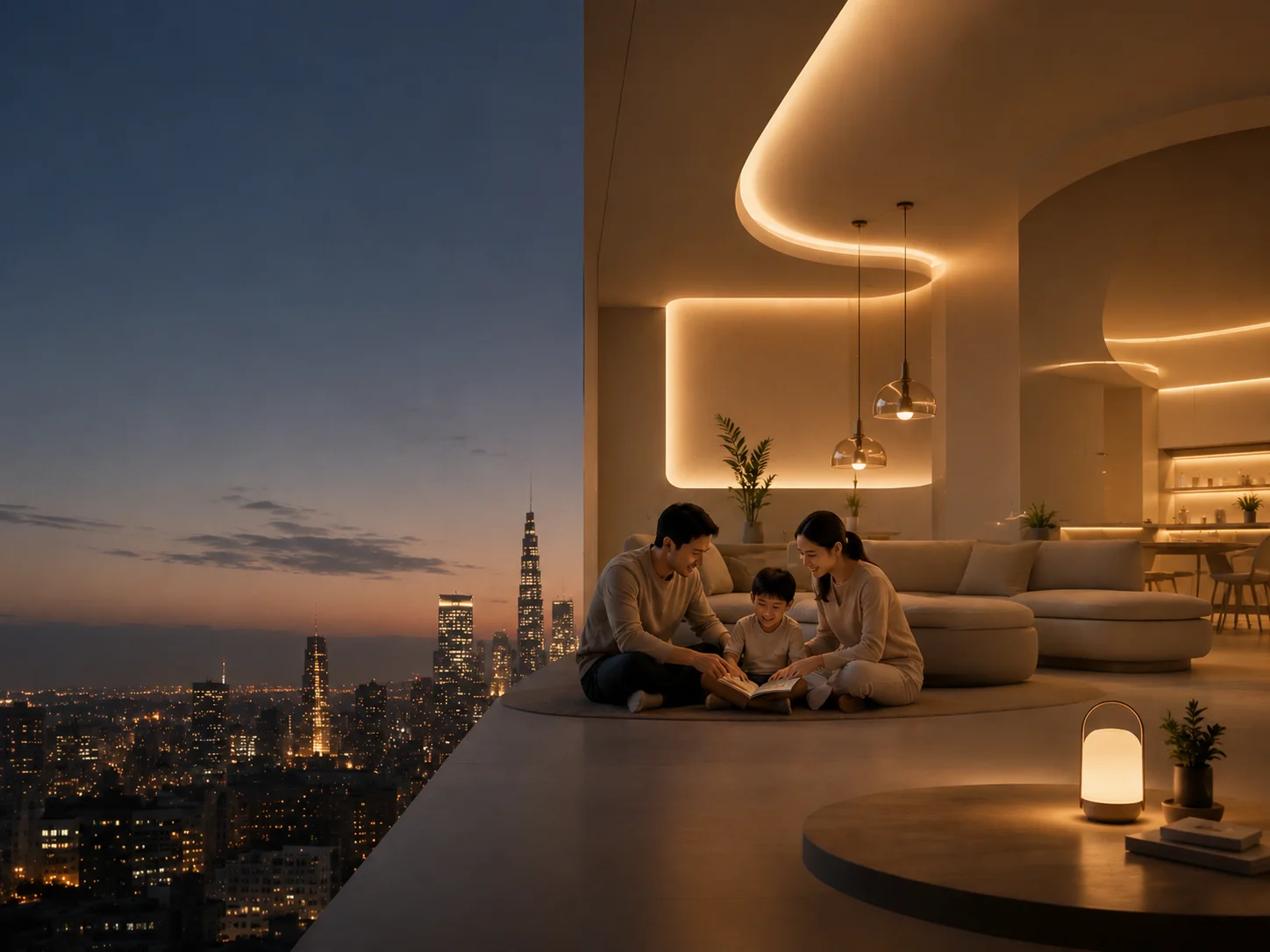
For example, modern homes are no longer designed only for one purpose.
A living room may become:
Outdoor spaces have also evolved. Balconies, gardens, and patios are becoming extensions of indoor living areas.
These lifestyle shifts create new opportunities for lighting products:
Portable lamps that provide flexibility across different spaces
Decorative lighting that creates atmosphere rather than simply providing brightness
Outdoor lighting designed for social gatherings and relaxation
Retailers that identify these changes early can create collections that feel relevant to consumers’ real needs.
Differentiation starts with understanding people, not copying products.
For many years, lighting purchases were mainly driven by practical factors:
These factors remain important, but decorative lighting decisions are increasingly emotional.
Consumers are not only asking:
“How bright is this lamp?”
They are asking:
“How will this make my home feel?”
Lighting influences:
This is why decorative lighting has become an important category for retailers.
Products with stronger emotional appeal often create higher perceived value through:
A recognizable shape, material, or lighting effect can help a product stand apart.
Products inspired by nature, architecture, craftsmanship, or cultural elements create stronger connections.
Portable lighting, dimmable solutions, and ambient lighting features allow consumers to personalize their spaces.
The future of lighting is not only about delivering light.
It is about creating experiences.
A common challenge in retail lighting is treating every product as an independent SKU.
However, consumers often respond better to a complete design language.
A strong lighting collection can create:
For example, a retailer may develop a collection around a specific concept:
Then extend this concept across:
This approach allows retailers to create a more memorable category experience instead of a collection of unrelated products.
A differentiated lighting category is not built by adding random items.
It is built by creating a clear product story.
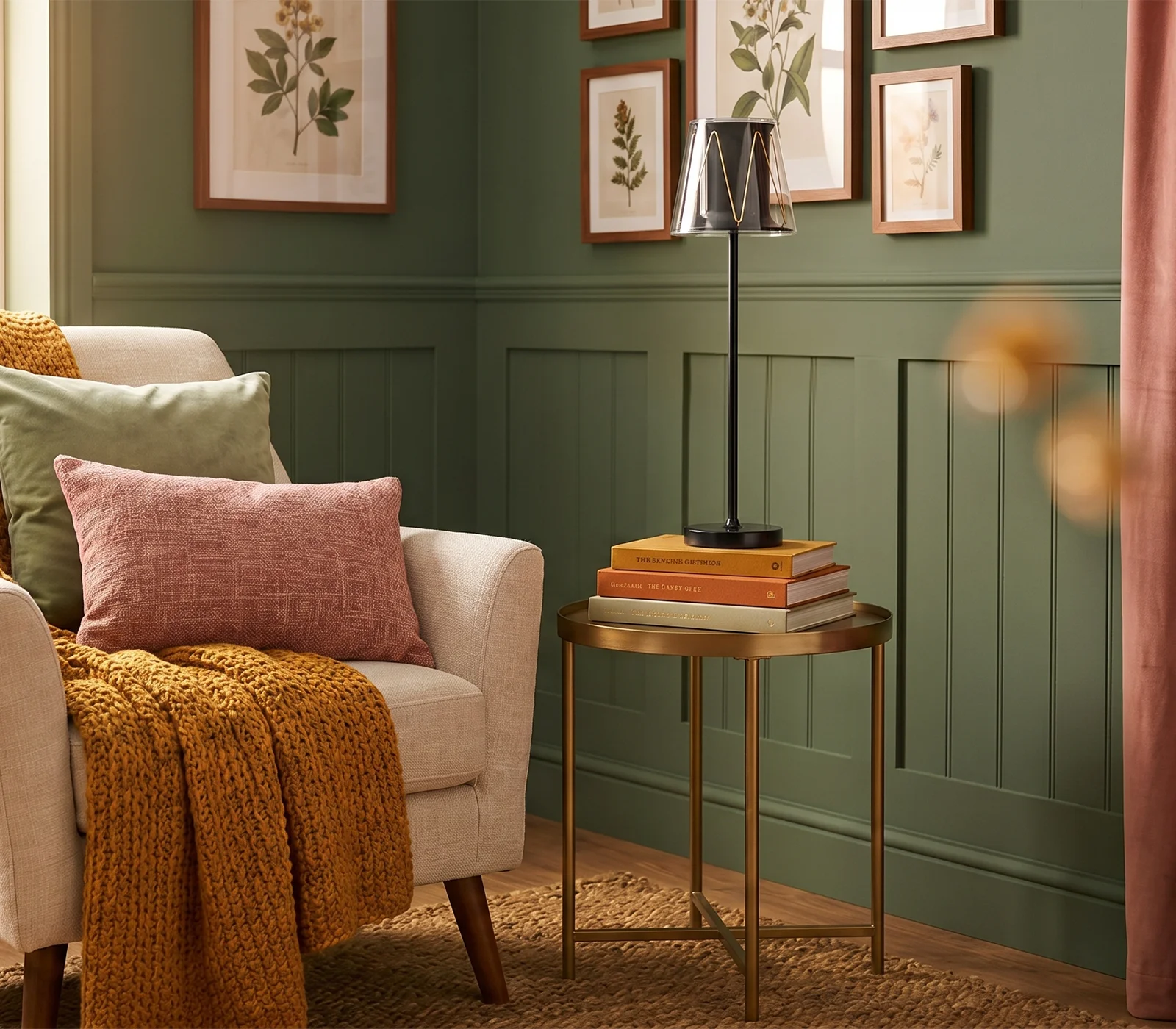
A visually attractive product is not automatically a successful retail product.
Retailers need products that balance:
Design appeal + Consumer demand + Manufacturing feasibility
A successful lighting product must answer:
This is where experienced product development partners become valuable.
The right decorative lighting ODM partner can help transform early ideas into products that are not only creative but also commercially successful.
For retailers, innovation should not mean unnecessary complexity.
The goal is meaningful differentiation that creates real market value.
In a competitive lighting market, choosing the right supplier can directly influence category success.
Traditional supplier relationships often begin with:
“Here is the design. Please manufacture it.”
However, retailers increasingly need partners who can contribute earlier in the process.
A valuable lighting development partner can support:
Trend understanding
Identifying emerging consumer preferences and market opportunities.
Product development
Turning concepts into retail-ready solutions.
Engineering expertise
Ensuring products achieve the right balance between design, performance, and cost.
Manufacturing reliability
Supporting consistent quality, compliance, and scalable production.
The difference between a manufacturer and a strategic partner is simple:
As competition increases, retailers cannot rely only on expanding product quantity or competing on price.
The lighting categories that succeed in the future will be those that:
The question is no longer:
“How can we source more lighting products?”
The more important question is:
“How can we create lighting products that consumers remember and choose?”
For retailers looking to build a stronger lighting category, differentiation will become one of the most important drivers of long-term success.
At Hangke, we support retailers and brands with end-to-end lighting product development — from concept exploration and design innovation to engineering, compliance, and mass production.
Let’s explore how lighting can create more value for your customers.