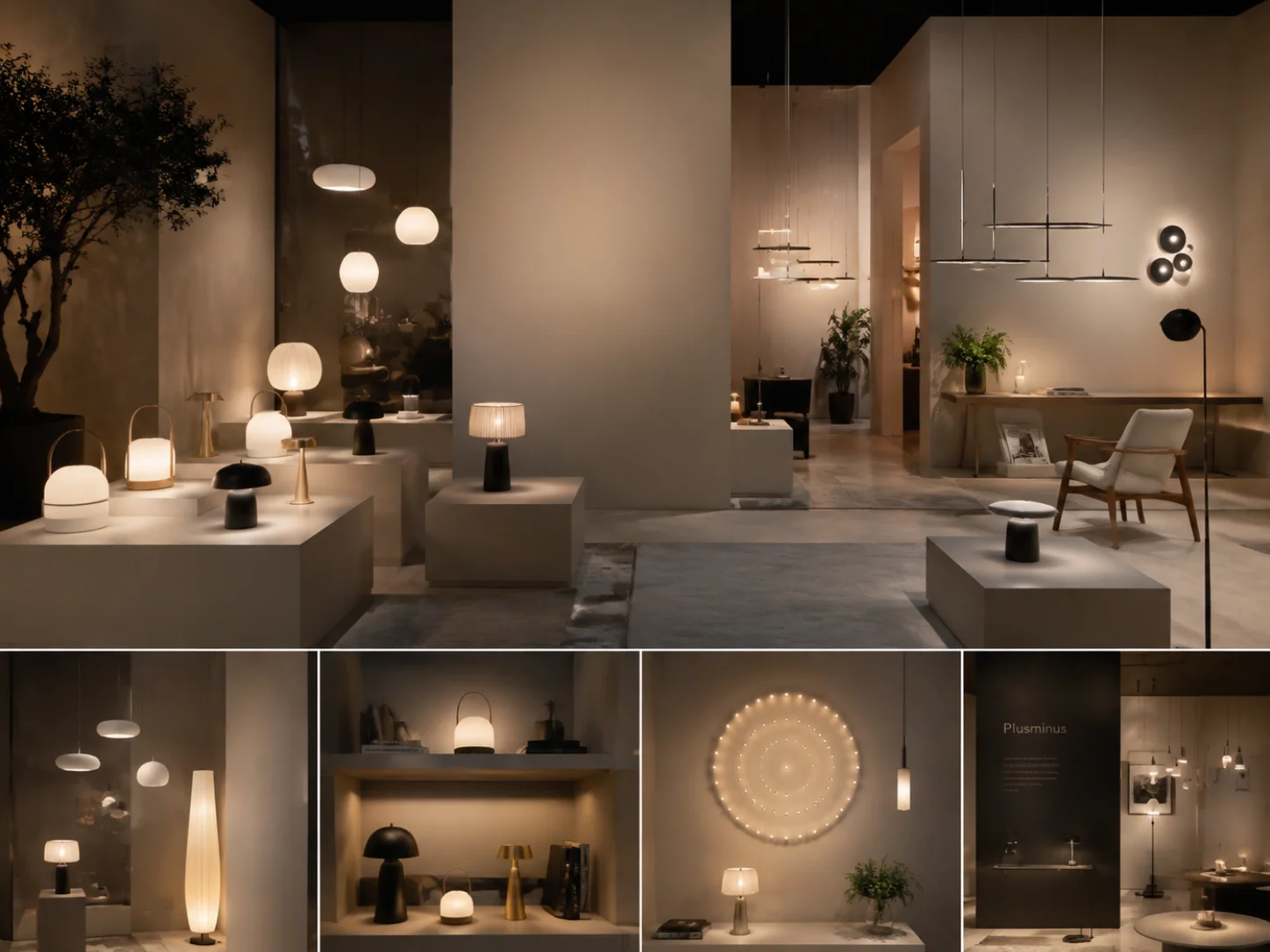
Hotel Room Lamps: What Hospitality Buyers Specify
A hotel room lamp leads a harder life than any lamp in a home. It…


Every lighting brand faces the same quiet question after a launch: did the new design grow the category, or simply move money from one SKU to another? A vintage-style LED filament lamp sells well. So does the tunable decorative floor lamp. But if the same buyer would have purchased the older bestseller anyway, that “success” is cannibalization wearing a growth costume. For brands extending decorative lighting collections from residential ambiance into hospitality and retail, this distinction is not academic. It decides which lines get funded, which get cut, and whether a philosophy like “Rethinking the Filament.” actually opens new demand or merely relabels old demand.
Launch dashboards flatter. Week-one sell-through looks strong, press coverage piles up, and the sales team celebrates. None of these tell you whether net category revenue rose. A decorative filament launch can post healthy units while quietly eroding the matte-metal pendant that occupied the same shelf and price band. The cure is not more dashboards—it is a measurement frame built before launch, with a counterfactual. You need to know what would have happened without the new design, so the launch’s true contribution becomes visible.
Measure net new revenue against a holdout. Use a geo holdout (launch in region A, not region B) or a time holdout (delayed launch) and compare baseline-adjusted sales. If region A’s total lighting revenue rose more than region B after controlling for seasonality, the delta is incremental. If only the new SKU rose while the old fell by the same amount, you bought substitution, not growth. This single lens ends most internal debates about whether a launch “worked.”
Does the design pull in adjacent needs? A buyer who came for a pendant also adding outdoor wall lights, or a hospitality specifier entering the residential line, signals genuine demand expansion. Track basket composition and cross-category attach rates. Strong crossover means the design widened the brand’s reach. Pure within-category switching means refinement—useful, but not the demand creation the P&L was promised.
Segment buyers by first-purchase flag and by account type. A launch that recruits first-time buyers or opens a segment that was absent before—say boutique hotels alongside existing residential accounts—is creating demand. One that merely rotates existing accounts between SKUs is not. New-customer share is the cleanest early signal that a scenario-led design is reaching buyers the brand could not reach last season.
Premium scenario lighting should hold margin. Watch whether volume arrived only because you cut price, compressing blended margin. If the “new” demand appeared solely under promotion, you manufactured units, not value. True demand creation sustains price: the design commands a premium because the scene it enables is worth more, not because the discount made it tempting.
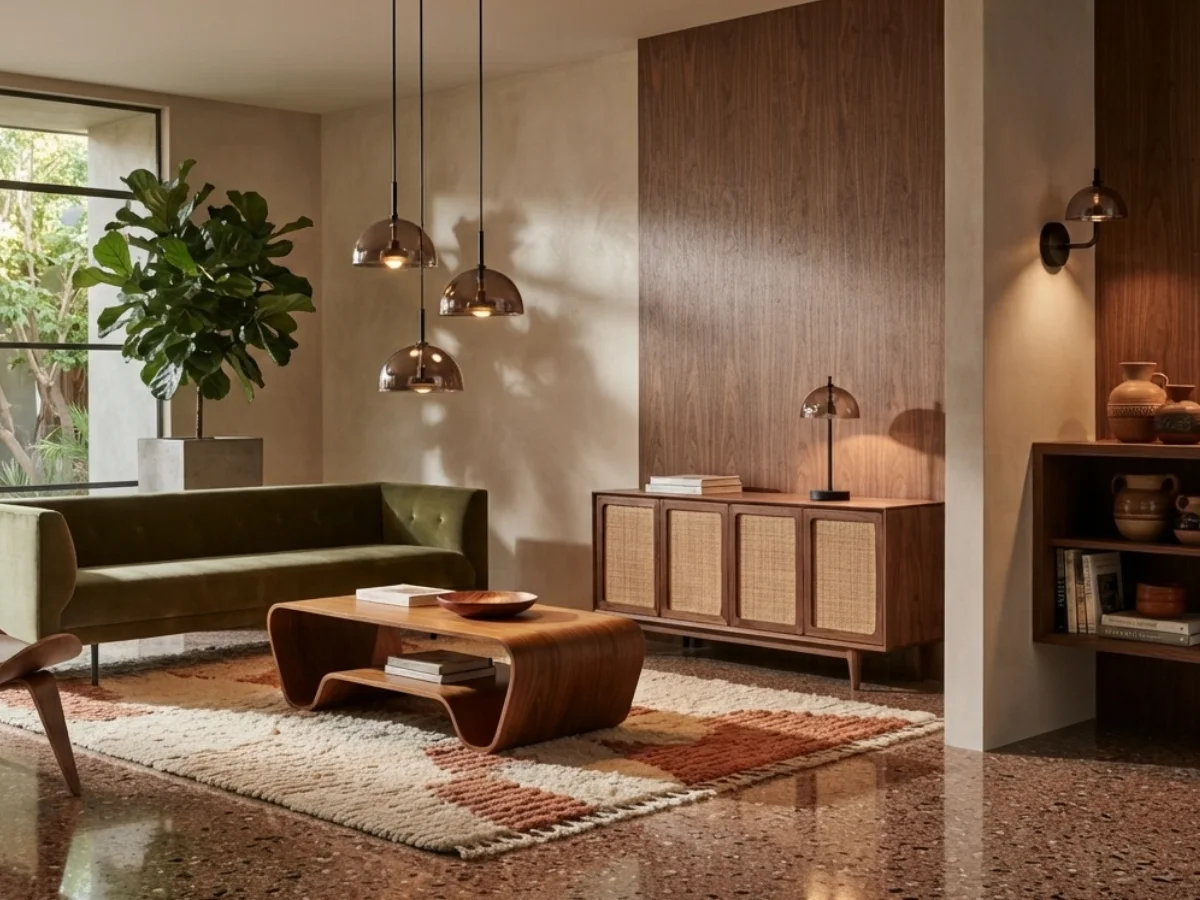
Consider a filament hero lamp extended into a coordinated scene collection—a pendant, a table lamp, and a wall light sharing one design language, the kind of expansion a hero product like DORA can seed and a Twins Series can multiply across rooms. Measured naively, the extension “wins.” Measured with the four lenses: incremental sales show the wall light added net revenue in rooms where the pendant never sold; crossover shows hospitality specifiers adopting the full set; new-customer data reveals a boutique-hotel segment absent before; elasticity holds because the collection commands a design premium without promo. That is real demand creation—and it is only visible because the brand measured it.
Two traps recur. First, measuring only at launch, never at 90 days, when cannibalization surfaces and the holdout advantage decays. Second, measuring SKUs in isolation, never the collection, so internal competition hides inside “good” line totals. An ODM partner that co-builds scenario libraries and tags variants for clean attribution turns measurement from a post-mortem into a launch input. When your manufacturer understands the four lenses, the product plan itself starts to maximize incremental reach instead of engineering internal competition between siblings on the same shelf.
Scenario-led design is how lighting brands grow when the broad market is cautious. The brands that win are not those that launch the most evocative collections, but those that can prove—with a frame like this—that the collection created demand the brand did not have before. Explore the full product range built for multi-scene deployment.