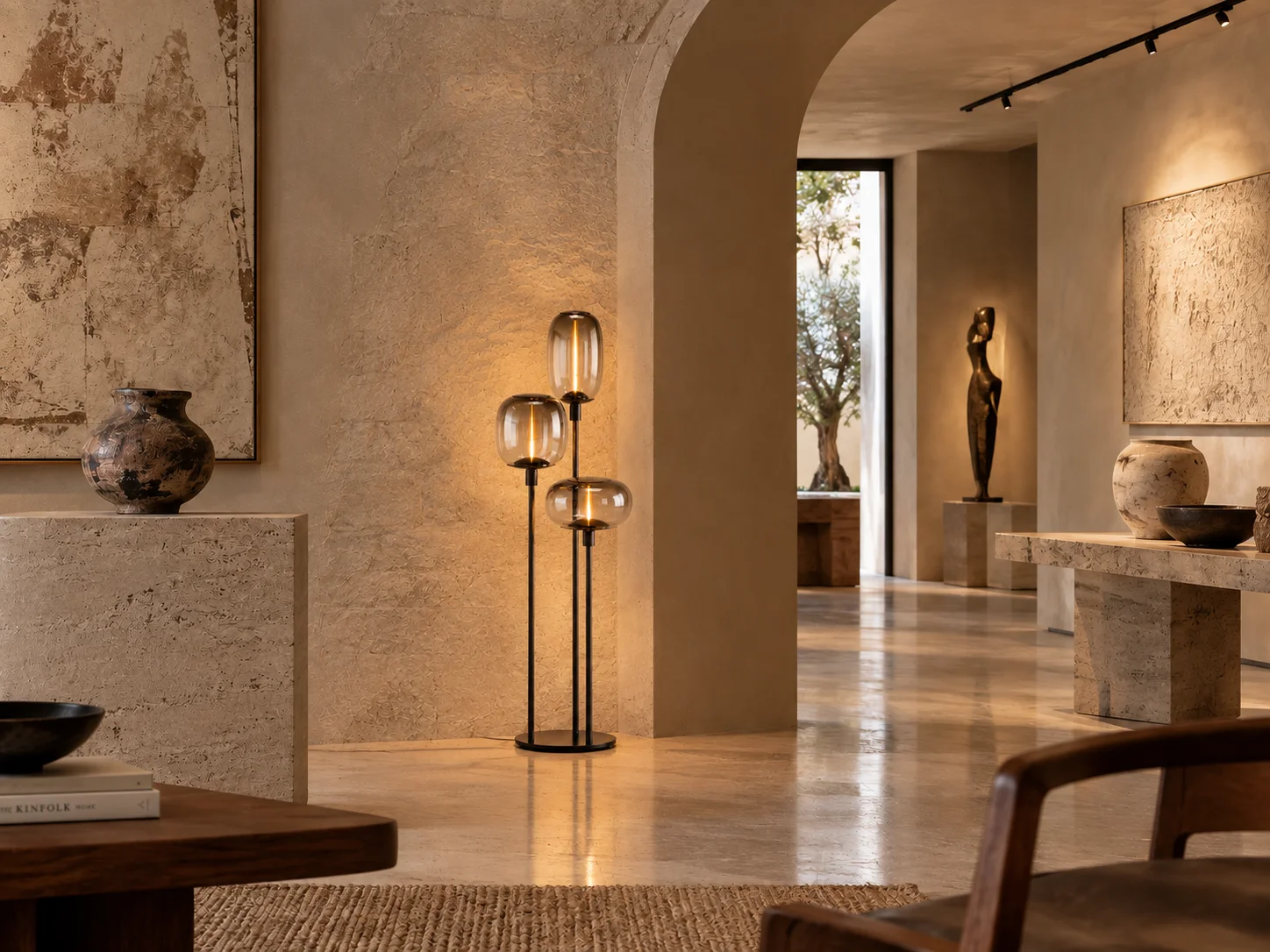
Hotel Room Lamps: What Hospitality Buyers Specify
A hotel room lamp leads a harder life than any lamp in a home. It…

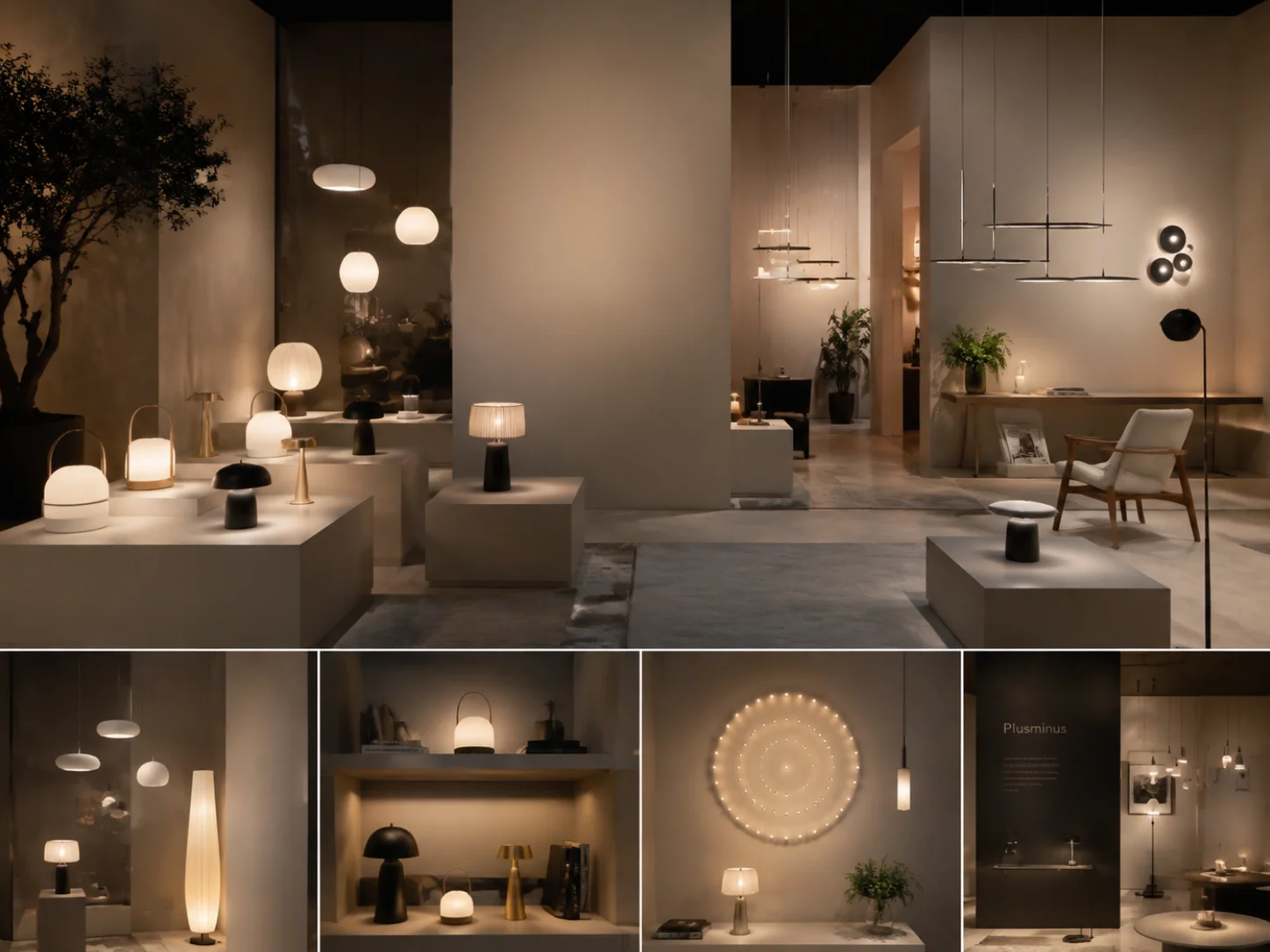
Walk into most lighting retail stores today, and you will see a familiar scene.
Rows of pendant lights.
Walls filled with wall fixtures.
Shelves organized by specifications:
This is logical from a product management perspective.
But from a consumer perspective, something is missing.
Consumers do not live inside product categories.
They live inside moments.
They do not wake up thinking:
“I need a 2700K decorative LED table lamp with a CRI of 90.”
They think:
“I want my bedroom to feel warmer.”
“I want my balcony to become a place where I can relax.”
“I want my home to feel more like me.”
This gap between how the lighting industry sells and how consumers buy represents one of the biggest opportunities for retailers and brands.
The future winners will not simply sell more lighting products.
They will create better lighting experiences.
The lighting industry has never had more choices.
Today, manufacturers can provide:
Yet many lighting brands still struggle with the same question:
Why should consumers choose my product instead of hundreds of similar alternatives?
The answer cannot always be:
Because these advantages are easy to copy.
A competitor can create another black metal pendant.
Another company can launch another filament bulb.
Another supplier can offer another smart lighting product.
When lighting is treated only as a product, it enters a commodity battle.
The real opportunity is moving from:
Product competition → Experience competition
Every successful home category has already experienced this transformation.
A sofa is no longer sold as:
“3-seat fabric sofa.”
Brands sell:
Coffee is not sold as:
“hot caffeinated beverage.”
It is sold as:
Cosmetics are not sold only by ingredients.
They sell:
Lighting is entering the same stage.
A decorative lamp is not only an illumination device.
It is:
The emotional value is becoming part of the product value.
Traditional lighting merchandising answers:
“What is this product?”
Future lighting merchandising should answer:
“What kind of life does this product create?”
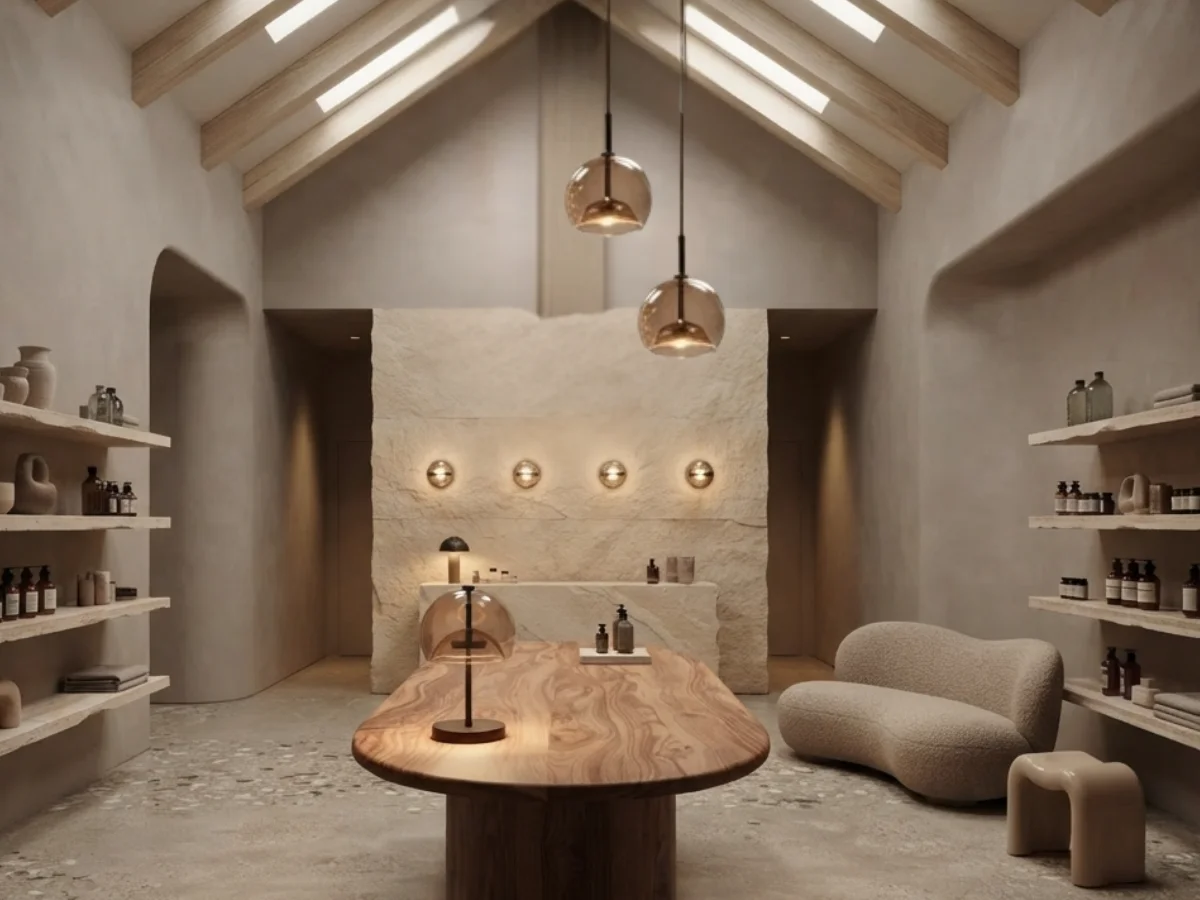
Imagine two different displays.
Modern LED Table Lamp
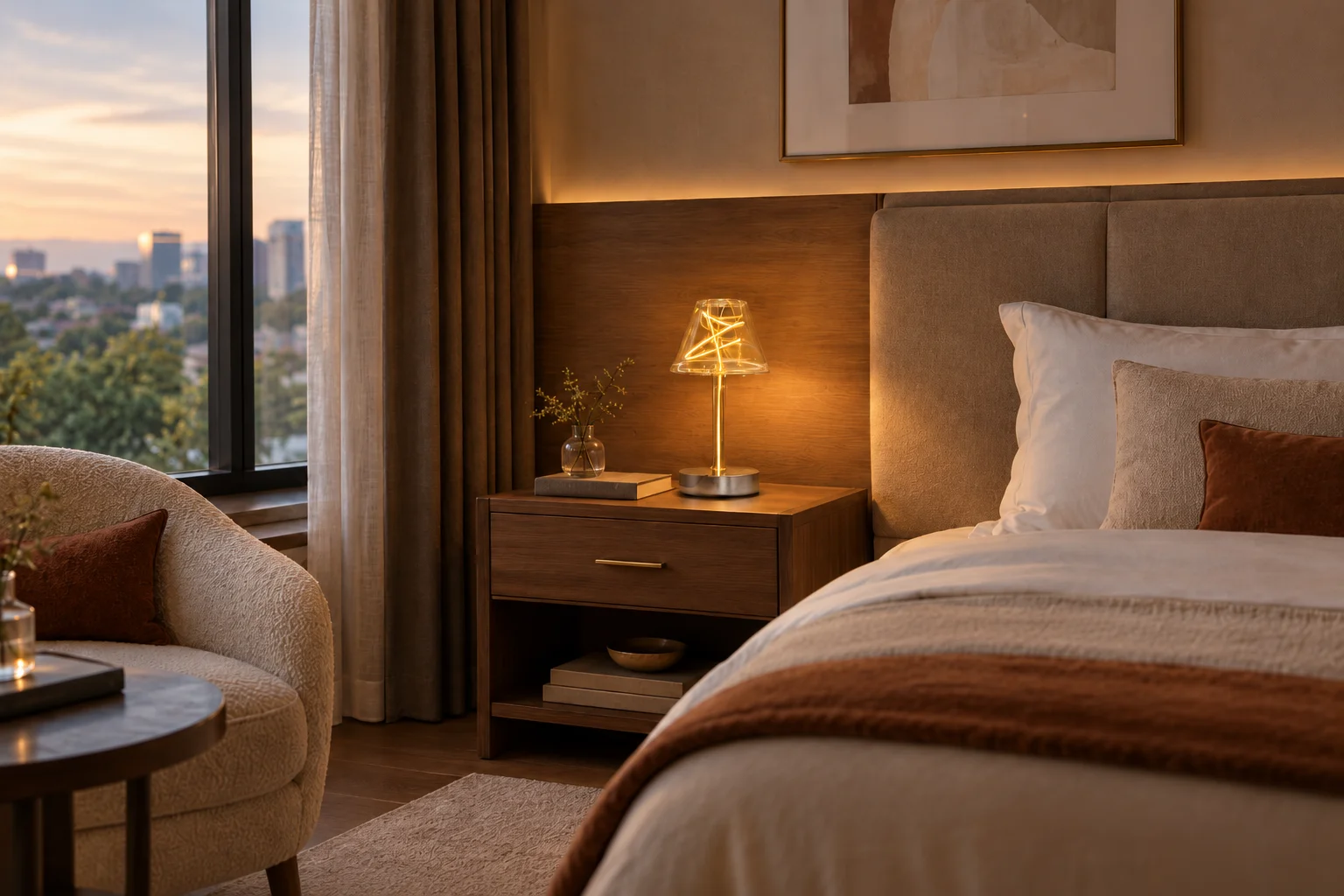
The Evening Reset Corner
After work.
A quiet sofa.
A warm table lamp.
A cup of coffee.
Soft ambient lighting.
That scene is a product brief. We build ambient lighting for retail programmes as collections rather than one-off SKUs — one visual language across cordless lamps, filament bulbs and table pieces.
The product is exactly the same.
But the perceived value is completely different.
The second approach allows retailers to communicate:
This is how premium value is created.
A common mistake in lighting development is creating products one by one.
A retailer asks:
“Can you provide a new table lamp?”
A manufacturer develops a table lamp.
But modern consumers do not think this way.
They think:
“How can I create a complete space?”
Therefore, successful lighting collections need a stronger structure.
A collection should answer:
Example:
This changes lighting from a commodity category into a design category.
This transformation also changes the role of lighting manufacturers.
Traditional supplier relationship:
Retailer:
“Here is the product specification. Please manufacture it.”
Manufacturer:
“We will produce according to your requirements.”
But the future requires a different partnership.
Retailers need manufacturers who can contribute:
What styles are emerging?
What applications are growing?
What consumer needs are changing?
How can a concept become a recognizable collection?
How can technology create unique visual experiences?
How can creative ideas become scalable products?
A great decorative lighting manufacturer becomes not only a production partner, but a product innovation partner.
At Hangke, we believe successful lighting products are created at the intersection of:
Design + Optical Technology + Manufacturing Excellence
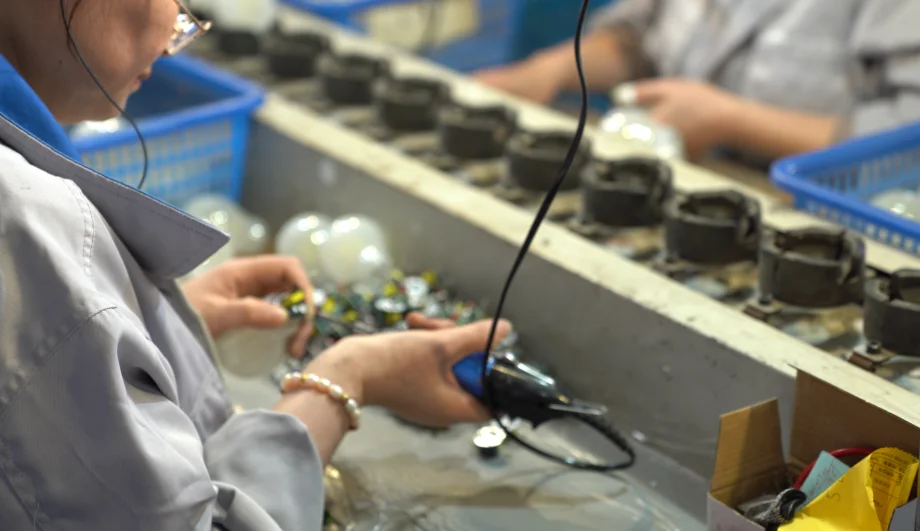
With over 20 years of LED lighting manufacturing experience, Hangke supports global brands and retailers through integrated ODM solutions.
Our capabilities include:
From initial concept exploration to finished collections, our team works with customers to develop lighting products with clear market positioning.
Our expertise in LED filament technology, decorative light sources, and optical structures helps create products with distinctive visual experiences.
We help customers extend design concepts across:
From prototype development to mass production, Hangke provides the engineering and manufacturing foundation required for global retail markets.
The next battle in lighting retail will not be won by companies offering the largest number of products.
It will be won by companies that understand one fundamental change:
Consumers do not want more lamps. They want better experiences.
The brands and retailers that successfully transform lighting from a functional purchase into a lifestyle choice will create stronger differentiation, higher perceived value, and deeper customer connections.
Talk to our lighting experts now.