Hotel Room Lamps: What Hospitality Buyers Specify
A hotel room lamp leads a harder life than any lamp in a home. It…

Decorative light bulbs have moved from a niche styling accessory to a core line for homeware retailers, hospitality specifiers and private-label brands. The look customers ask for by name — warm, glowing filaments in exposed shapes — is now delivered almost entirely by LED filament technology, which replicates the vintage aesthetic at a fraction of the energy use. This guide helps buyers and designers choose the right decorative bulb families, specify them correctly, and brief an ODM partner on an exclusive collection.
The demand is driven by how spaces are styled, not by the bulb alone. Mid-century modern, industrial-loft and warm-hospitality interiors all call for visible, characterful light sources rather than hidden downlights. For a retailer, decorative bulbs are a high-margin, low-footprint category that pairs naturally with lamps, pendants and chandeliers. For a brand or designer, they are a way to control the finished look of a fixture when the bulb is intentionally on show. None of these buyers is shopping on price per lumen — they are shopping on appearance, colour and consistency.
Buyers find this category through several word orders — vintage light bulbs led, vintage led light bulbs, vintage led bulbs and led vintage light bulbs — but they are usually looking for the same product family: an LED bulb that keeps the look of an exposed filament. Below are the three style names Hangke buyers brief most often.
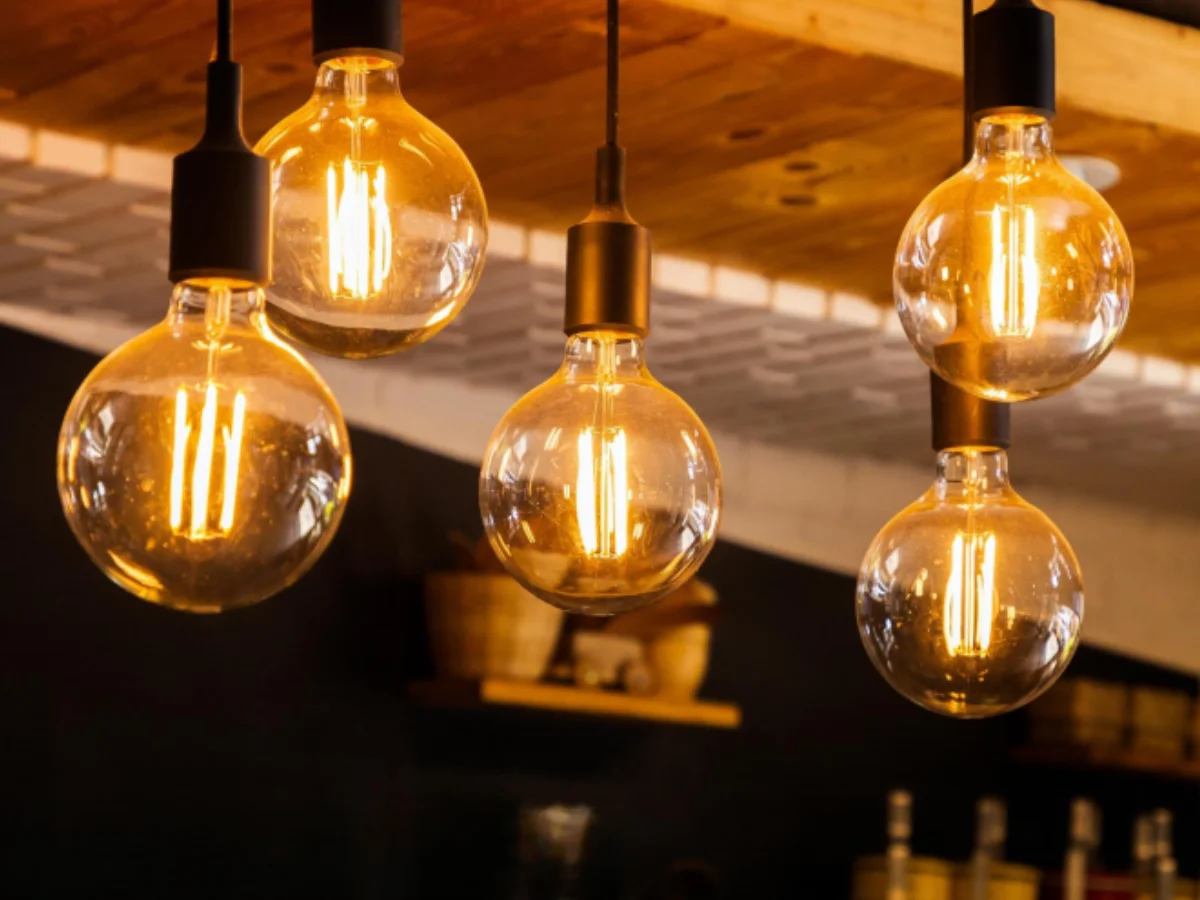
“Vintage” is the broad, search-friendly term covering Edison-style bulbs with visible, upright or looped filaments and a warm amber or clear glass. Common shapes are ST64 (the tall teardrop), A19/A60 (standard pear), G25 (globe) and the candle/candelabra profile used in chandeliers. Vintage bulbs — also searched as vintage style light bulbs — suit exposed-pendant and hospitality settings where the source is part of the decor.
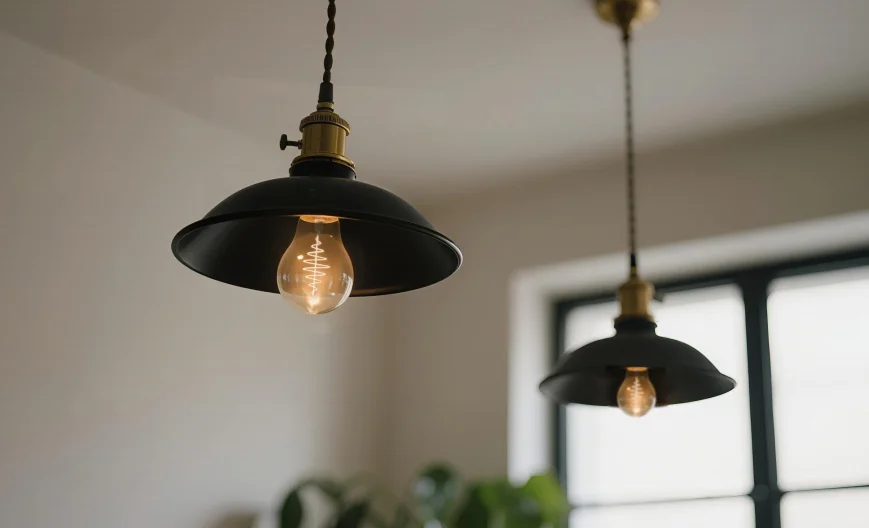
“Retro filament” usually signals the LED-filament version specifically: a chip-on-glass LED strip arranged to mimic a traditional coil or hairpin filament. The retro look is identical to incandescent, but the bulb runs cool, lasts far longer and draws a fraction of the watts. For retail assortments, retro filament = the sellable, shippable, code-compliant version of the vintage look in most markets.
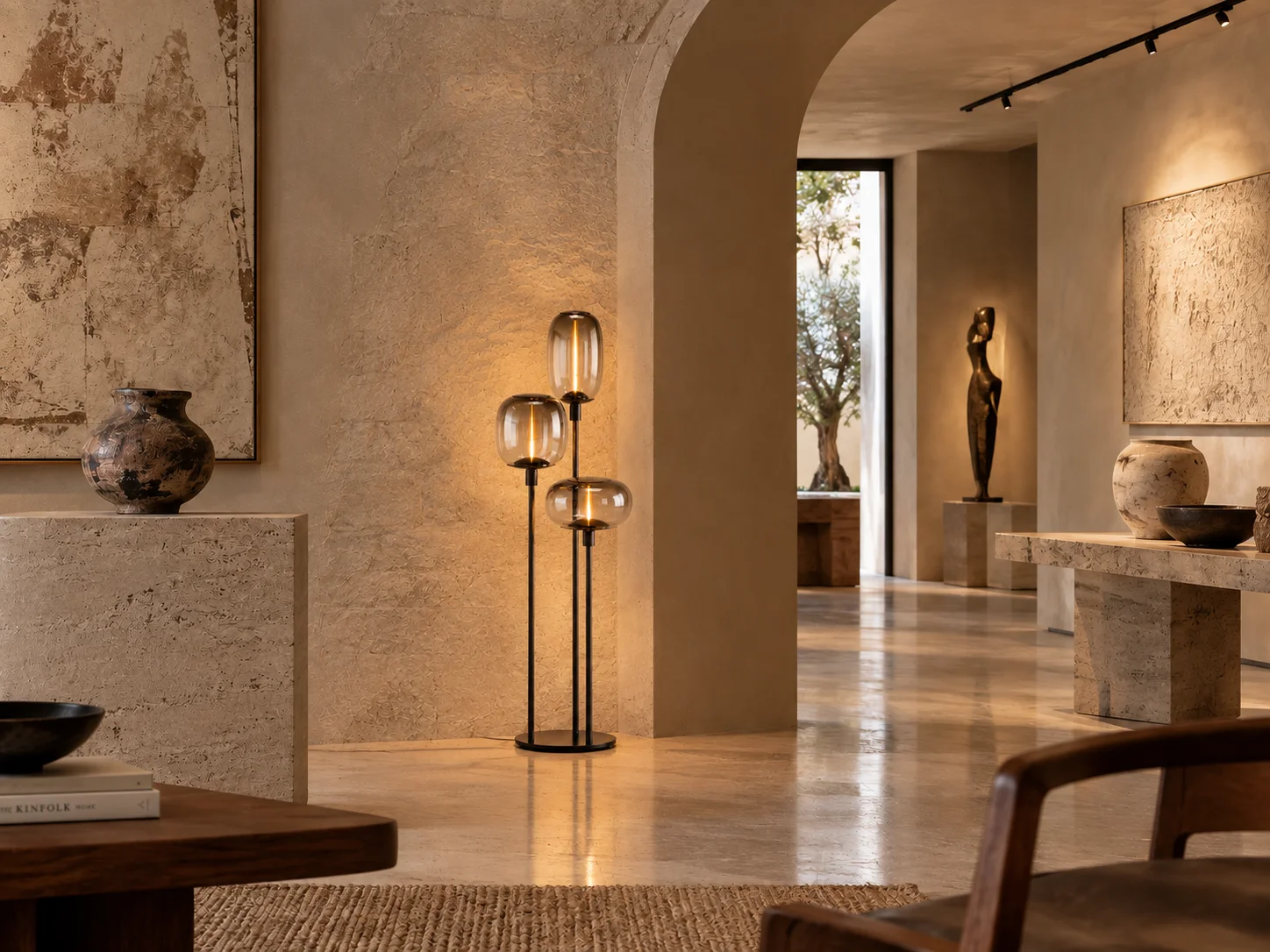
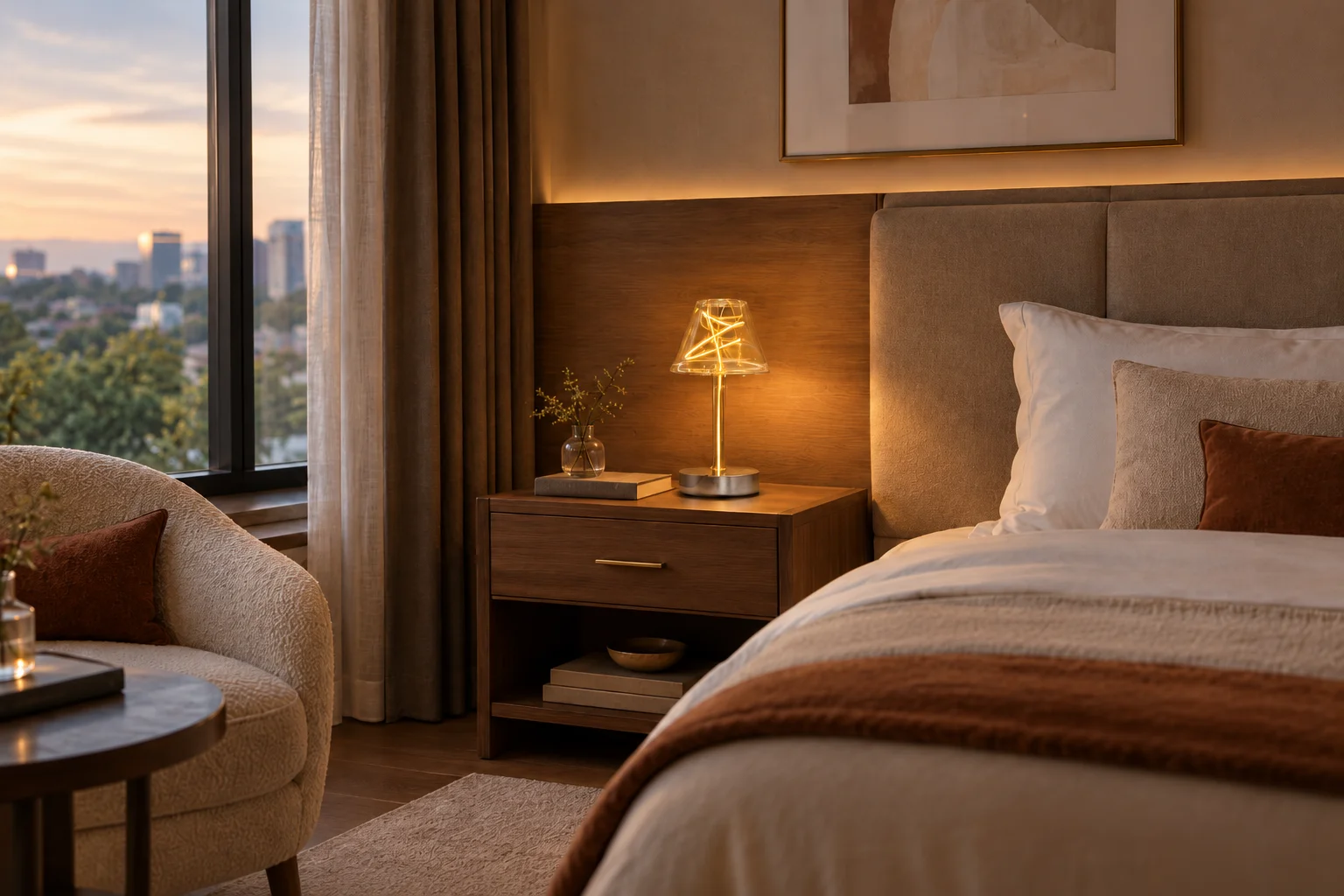
“Antique” describes finished and tinted variants — smoked, frosted or amber glass, sometimes with a deliberately uneven coating — that read as older or more precious. Antique finishes are popular with designers specifying boutique hotels, cafés and residential collections where a softer, less clinical glow is wanted.
If you still stock incandescent decorative bulbs, the comparison below is what your buying team should weigh:
Stock the caps your fixtures and markets use: E26 (North America), E27 (Europe and most international retail), E14 / SES (candelabra and small candles), and B22 (bayonet, commonwealth markets). Offering the wrong cap is the most common, most avoidable out-of-stock in this category.
For decorative vintage looks, specify 2200K–2700K (extra-warm to warm white). 2700K is the safe retail default; 2200K reads more “candlelit” for hospitality. Choose CRI ≥ 80 as standard and ≥ 90 for premium or designer lines where skin tones and material colours matter.
Lead with dimmable SKUs where the fixture invites mood lighting. Match lumen output to the application — a 4–6W filament globe is usually enough for ambient decorative use, while a bright statement pendant may need more. State equivalent watts (e.g. “60W equivalent”) on retail packaging; buyers and end customers still shop by that number.
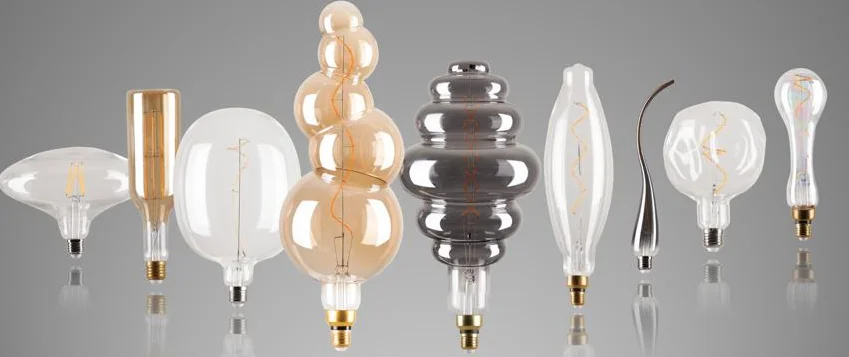
Three directions are recurring in buyer briefs. The mid-century modern revival favours clean globe and candle profiles in warm white. Industrial and loft styling calls for exposed ST64 and Edison coils. Hospitality and boutique retail want antique, tinted finishes for a softer, more premium glow. A tight decorative bulb range can serve all three with only a few shape-and-finish variants.
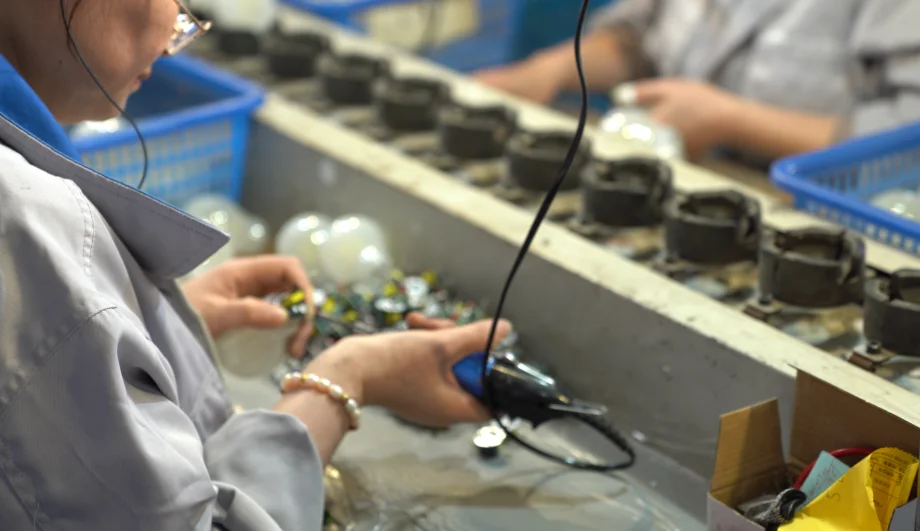
Brands and retailers that want a distinctive look — rather than a commodity bulb with a private label — should brief an ODM/OEM lighting partner on filament layout, glass tint, cap mix and packaging. The lever is exclusivity of appearance: a signed-off filament pattern and finish that competitors do not carry. Our guide to choosing an LED lighting ODM partner covers the supplier questions to ask before you commit, from tooling to batch consistency. Explore our LED filament bulb range for shapes and finishes already in production.