Hotel Room Lamps: What Hospitality Buyers Specify
A hotel room lamp leads a harder life than any lamp in a home. It…

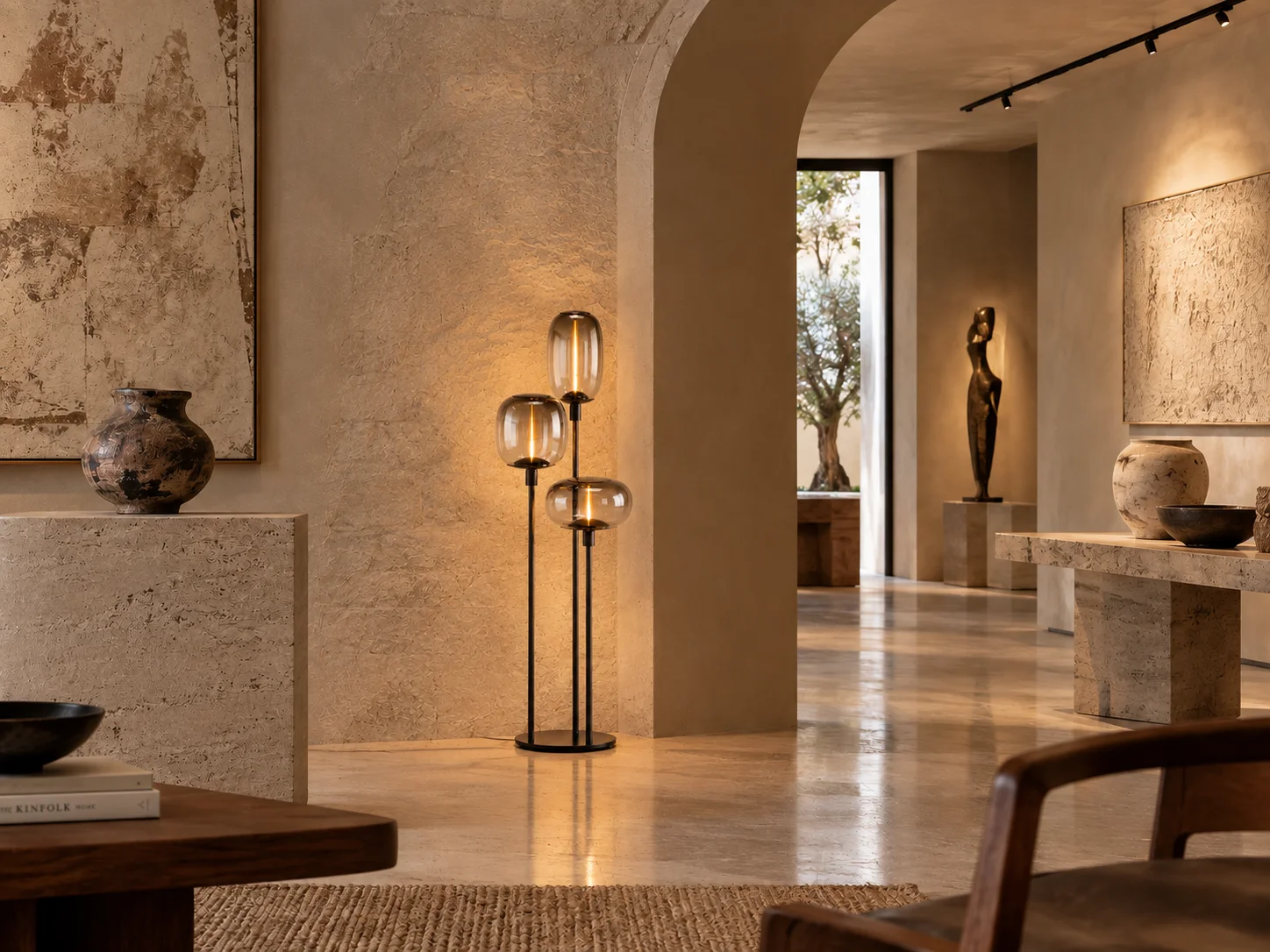
A floor lamp looks simple on a showroom floor. Bought by the container, it turns into a packaging, certification and margin problem all at once. That is what a floor lamp manufacturer is actually hired to solve. Brands need a finish that matches the rest of the range, retailers need cartons that stack, and designers need a silhouette that holds up from across the room. This guide walks through how B2B buyers source floor lamps, where OEM, ODM and private label split apart, and the unglamorous engineering details (base weight, cord routing, freight math) that decide whether a SKU makes money or comes back as a return.
Floor lamps are the bulkiest decorative format you can put in a container. One built unit crowds out several table lamps per carton, so freight, not factory price, drives the landed cost. They are also the tallest lit object in most rooms, which turns an undersized base from a quality complaint into a tip-over liability. Cube and stability are what separate floor lamp sourcing from pendants or wall lights. Retailers feel it in freight math, brands in whether the finish matches the rest of the range, designers in whether the silhouette holds the corner it is meant to anchor. All three trace back to the same factory decisions, which is why the category rewards a manufacturer that treats packaging and stability as part of the product rather than an afterthought. The wider decorative range sits on our decorative lighting manufacturer page.
None of these is the “best” option. A wholesaler might run private label for breadth and pick one ODM hero for the window display; a brand often starts ODM and moves to OEM once volumes justify tooling. The choice is about control versus speed, nothing more. Our ODM lighting manufacturer page shows how the process runs from sketch to shipment.
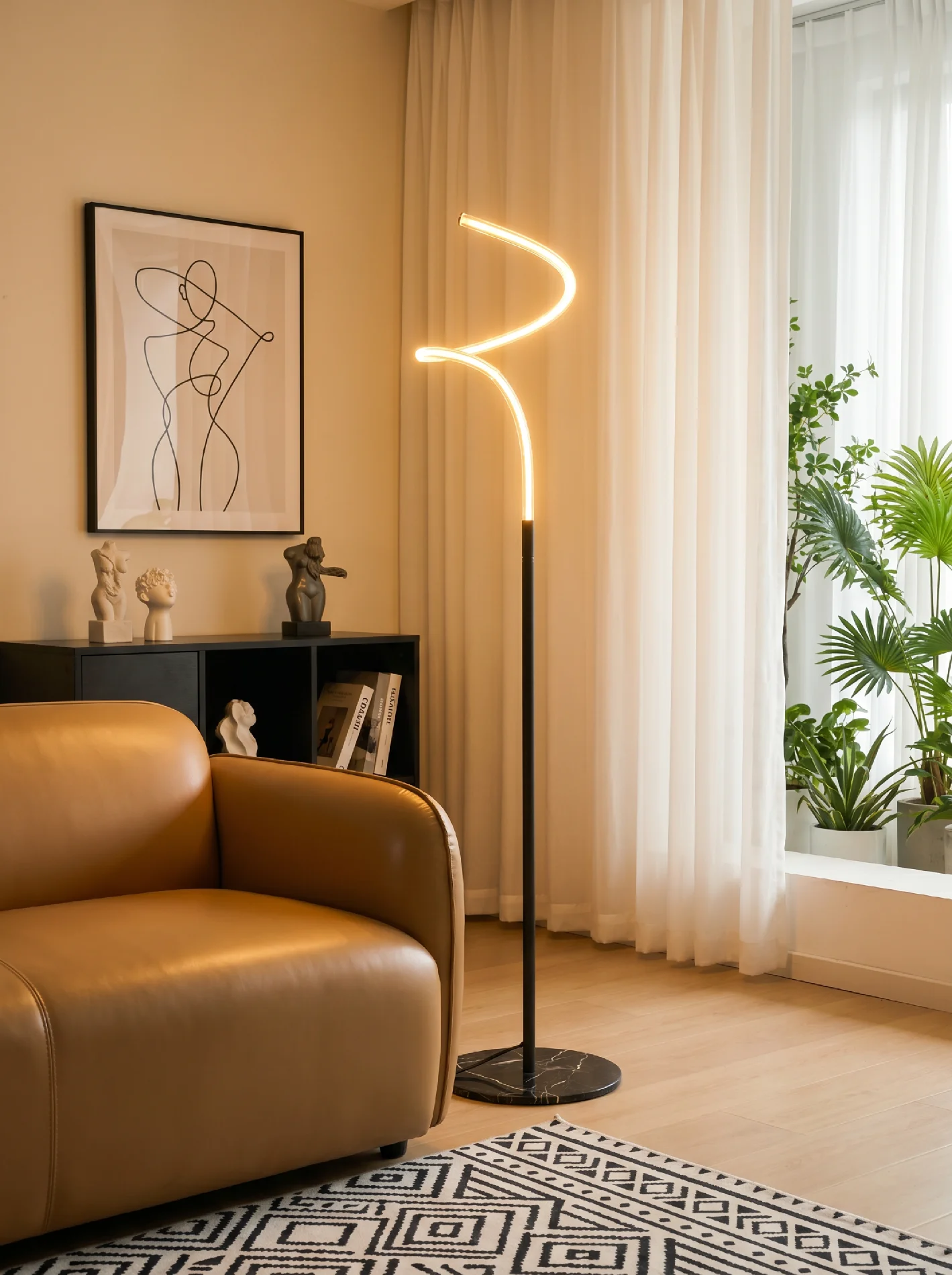
For retail and hospitality use, these details carry the program:
A floor lamp that photographs well but tips or rattles becomes a returns line, not a hero. Bulb choices matter too; our LED filament bulb manufacturer page covers filament and decorative options that pair with floor lamp shades.
Floor lamps are bulky, so MOQ and shipping economics are linked. At Hangke, decorative floor lamp programs start at 300–500 pcs per SKU. Knock-down packaging raises the per-carton count and lowers ocean freight per unit, and the pack cost usually pays for itself within the first shipment. Sampling takes 15–20 days, production lead time is around 45 calendar days, and tooling only enters the picture for OEM. The workflow we insist on: approved sample, signed spec sheet, pre-production run, AQL 2.5 inspection, then bulk, with the spec sheet in writing before the deposit.
Price per unit is the last number to fix, not the first. For comparison, the same evaluation logic applies across categories; see our guides to pendant lights and LED table lamps.
Hangke builds floor lamps as OEM and ODM for brands, retailers and designers. Knock-down packaging is engineered for container efficiency, and finishes are kept consistent across floor, table and wall formats so a range reads as one family without forcing every SKU into the same mould. If you are scoping a floor lamp program, start from the decorative lighting manufacturer page and send your target spec. You get a sample plan back, not a catalogue.
If you are planning a floor lamp line for 2026, send a reference image and your target market. We will scope OEM versus ODM, confirm certifications, and return a sample lead time with no commitment required.