Measure Real Demand Creation in Lighting: A Brand Framework
Every lighting brand faces the same quiet question after a launch: did the new design…

The home furnishing market has entered a difficult period.
Consumers are becoming more cautious. Large purchases are being delayed. Retailers are facing higher inventory pressure and stronger competition across furniture, home décor, and lighting categories.
However, not every brand is struggling.
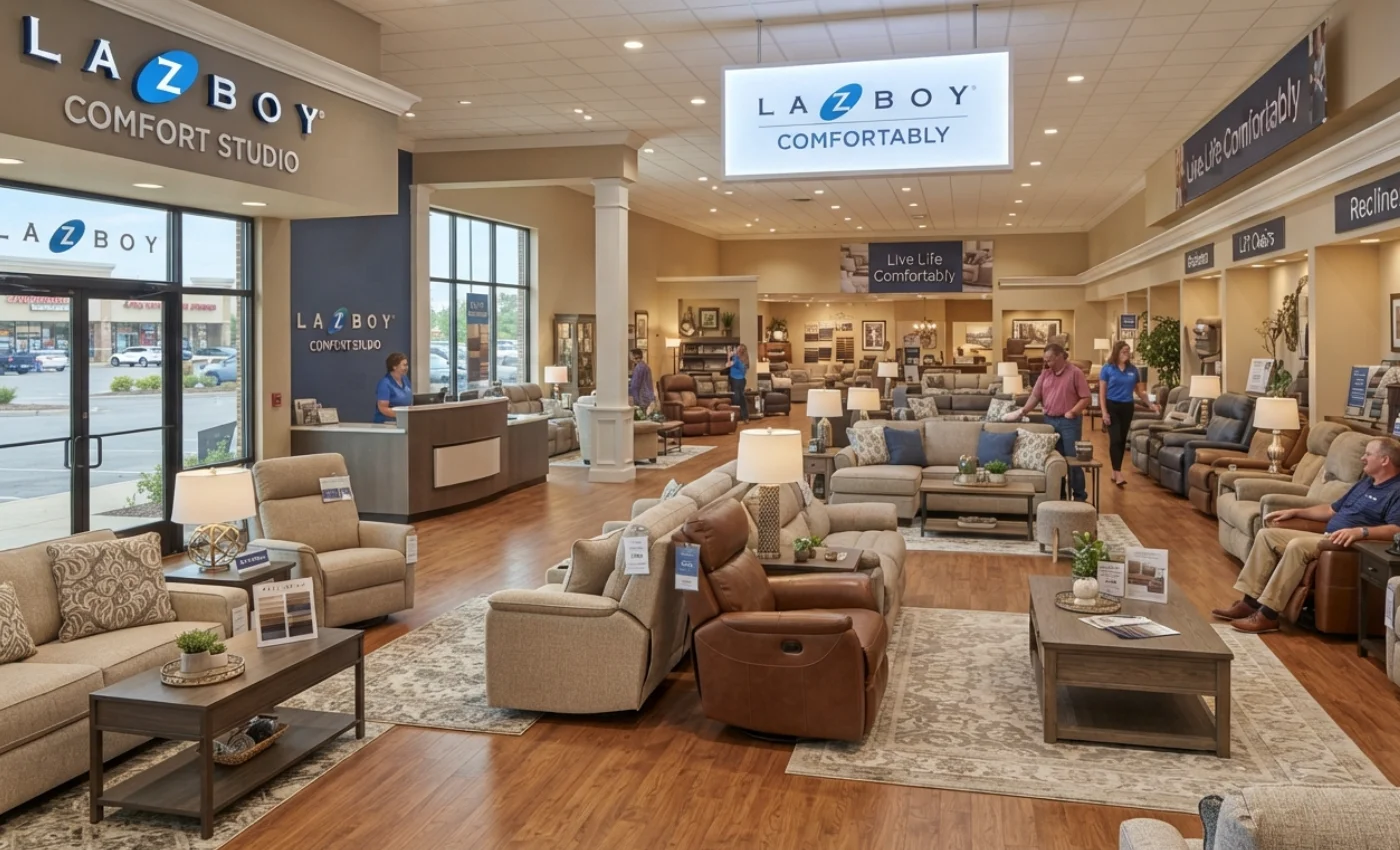
La-Z-Boy has continued to show strong performance while many companies in the home industry are facing slower demand. Its success is a reminder that even in a challenging market, customers are still willing to spend — but they are becoming more selective about what they buy.
For homeware retailers and wholesalers, La-Z-Boy’s growth provides several lessons on how to improve product selection, strengthen customer experience, and create more value beyond price competition.
When the market slows down, many retailers naturally focus on reducing prices.
But lower prices alone do not always create stronger sales.
Today’s consumers are asking:
“Why should I buy this product?”
La-Z-Boy has built a strong position by selling more than furniture. It sells comfort, relaxation, and a better home experience.
The same principle applies to homeware and lighting.
A customer does not buy a lamp only because it provides light.
They buy it because it can:
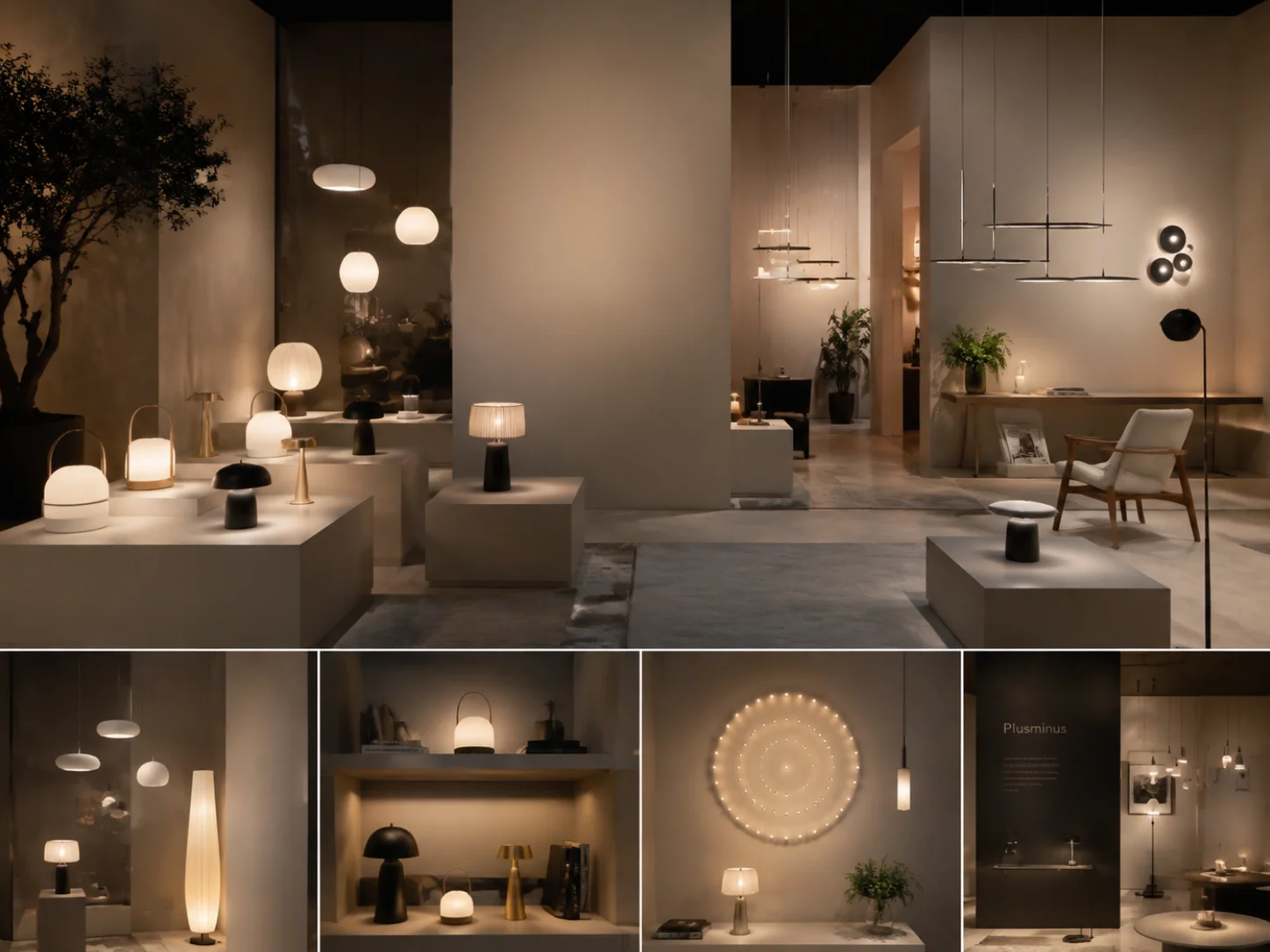
For lighting retailers, products with a clear design story and lifestyle connection are often easier to sell than products competing only on specifications.
One challenge many homeware retailers face today is product similarity.
Customers can find thousands of similar products online:
When products look interchangeable, price becomes the main comparison point.
Successful brands avoid this by creating a stronger reason behind the product.
Instead of presenting:
“Modern LED table lamp”
A retailer can communicate:
“A soft ambient table lamp designed for creating a relaxing reading corner.”
Instead of:
“Outdoor wall light”
A stronger message could be:
“A durable outdoor lighting solution designed to create a welcoming garden atmosphere throughout the year.”
The product remains the same, but the customer sees more value.
Another lesson from successful home brands is the importance of creating a complete lifestyle vision.
Customers often struggle to imagine how individual products will look in their own homes.
This is where retailers can create an advantage.
Instead of showing separate products:
Retailers can build collections around customer needs:
This approach helps customers make decisions faster and creates opportunities for cross-selling.
For wholesalers, supplying retailers with coordinated collections can also make products easier to display and promote.
In a competitive market, having more products does not always mean better sales.
Too many choices can make customers hesitate.
Strong retailers act as curators.
They help customers understand:
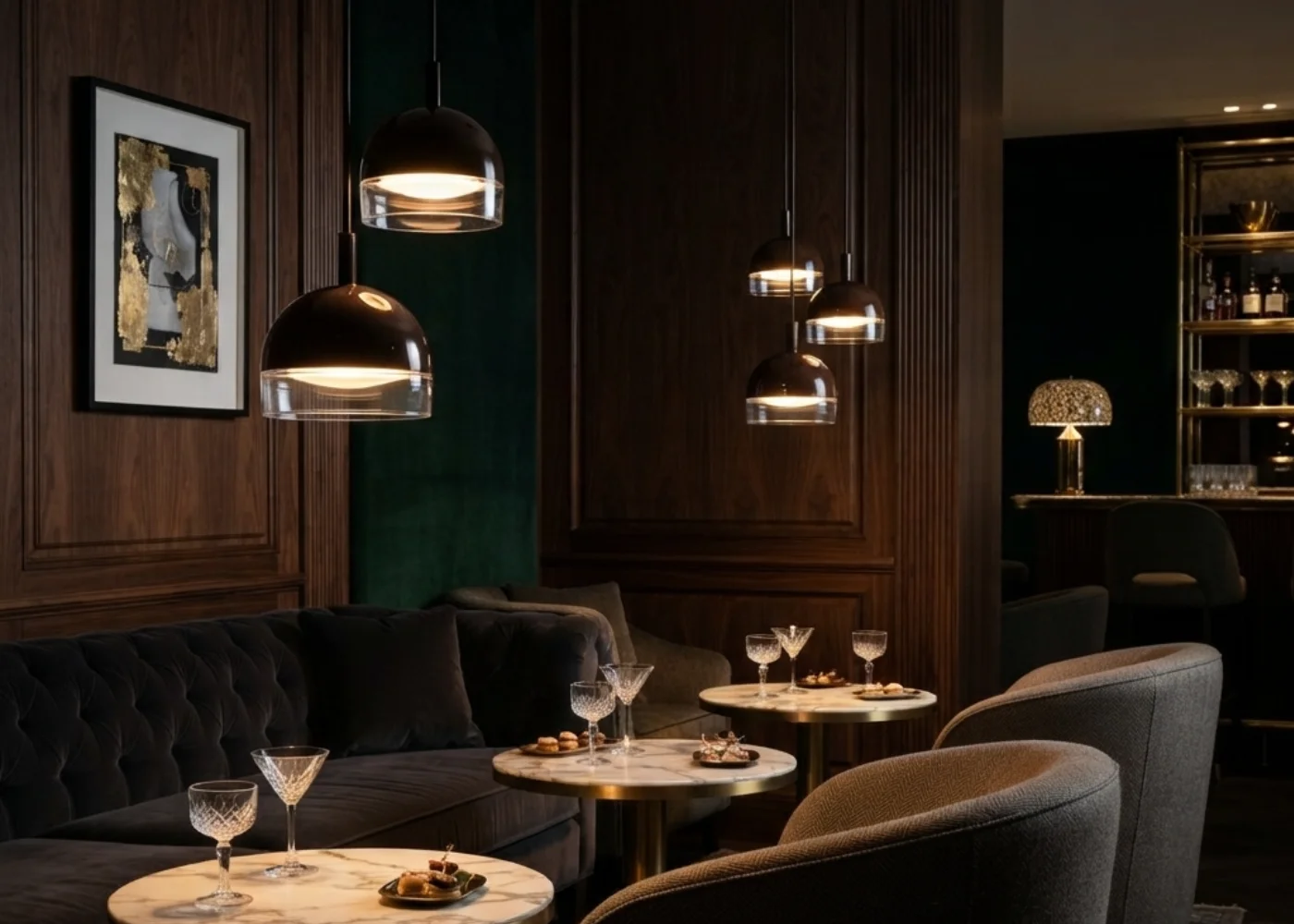
For lighting retailers, this could include:
A carefully selected product range can often outperform a large but unfocused catalog.
When consumers are spending carefully, trust becomes more important.
Customers want confidence that they are making the right choice.
This is why successful retailers focus not only on products but also on the buying experience.
For homeware retailers, customer experience can include:
The retailer’s role is changing from simply providing products to helping customers create better living spaces.
La-Z-Boy’s success shows an important lesson for the home industry:
Customers may spend less frequently, but they still invest in products that feel meaningful.
For homeware retailers, lighting brands, and wholesalers, the focus should not only be on adding more products or competing on price.
The stronger approach is to create better product experiences:
In a challenging market, the retailers who help customers imagine a better home will have a stronger chance of winning.