Measure Real Demand Creation in Lighting: A Brand Framework
Every lighting brand faces the same quiet question after a launch: did the new design…

Every year, the Red Dot Design Awards provide more than a list of winning products. They offer a snapshot of where industries are heading.
In lighting, the 2026 winners reveal something important: the industry is not replacing its traditional foundations—it is expanding them.
Performance, efficiency, and reliability remain essential. But a new competitive layer is emerging. Lighting products are increasingly expected to deliver stronger emotional connection, integrate into lifestyles, support well-being, and reflect responsible design principles.
This shift can be summarized as:
Design × Lifestyle × Wellness × Sustainability
For lighting brands, retailers, and manufacturers, this formula represents a new direction for category growth.
For decades, lighting design focused primarily on solving technical challenges: better brightness, higher efficiency, longer lifespan.
Those improvements remain important. However, Red Dot 2026 shows that leading products are increasingly designed with another purpose: creating identity within a space.
Award-winning lighting products often share common characteristics:
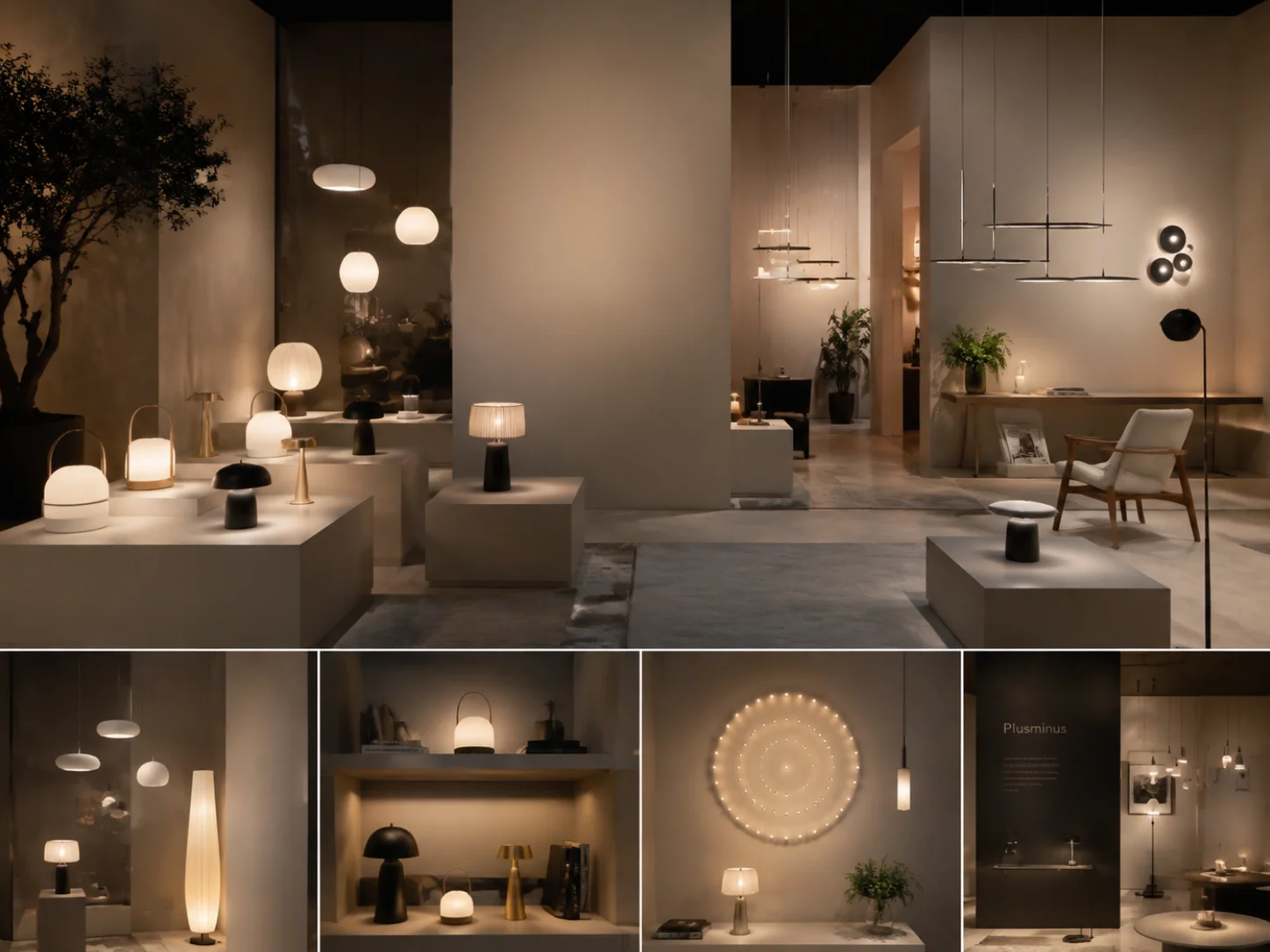
The lamp is no longer simply installed into a space—it becomes part of the space.
For retailers, this creates an opportunity to move lighting categories closer to furniture and home décor, increasing perceived value and customer engagement.
Traditional lighting categories were built around locations:
But new lighting innovation is increasingly organized around moments:
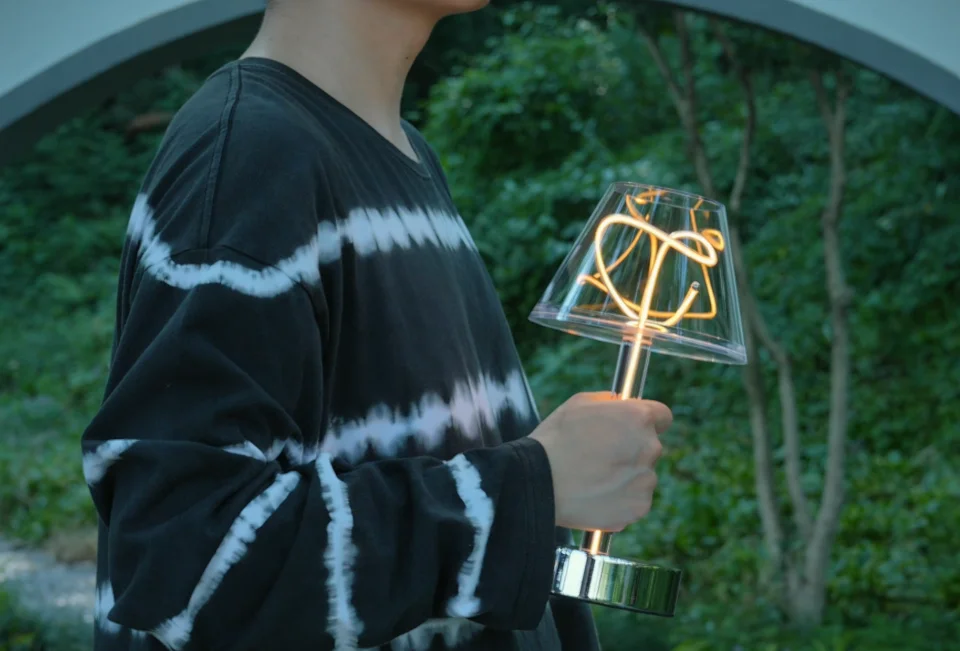
The growth of portable and cordless lighting demonstrates this shift.
Products are no longer limited by wiring infrastructure. They can move with people and adapt to different environments.
The future category question is changing:
From:
“Where does this lamp belong?”
To:
“What experiences can this lamp create?”
Human-centric lighting was once mainly associated with offices, healthcare, and commercial projects.
Today, wellness considerations are entering residential lighting:
As people spend more time at home, lighting has become an important factor in creating comfortable environments.
Future lighting products will not only be evaluated by technical performance, but also by how naturally they support daily routines.
Sustainability has evolved beyond energy-saving LED technology.
The next stage focuses on:
For European and North American markets, sustainability is increasingly influencing purchasing decisions from both consumers and professional buyers.
Lighting companies that integrate sustainability into product development will have stronger advantages in future retail partnerships.
Technology remains an important driver of lighting innovation.
However, Red Dot trends suggest that successful smart lighting is becoming less visible.
The focus is shifting from:
“How many functions can we add?”
to:
“How naturally can technology improve the experience?”
Future lighting solutions will likely prioritize:
Technology should enhance the product experience without becoming the product itself.
The biggest lesson from Red Dot 2026 is not that traditional lighting principles are disappearing.
They are expanding.
The foundation remains:
But future winners will combine these fundamentals with:
For retailers, this means building lighting collections around customer lifestyles rather than product categories.
For brands, it means creating stronger emotional connections through design.
For ODM manufacturers, it means moving from production partners to innovation partners.
The future of lighting will not be defined by a single technology or trend.
It will be shaped by the ability to combine multiple values into one product:
Design × Lifestyle × Wellness × Sustainability
Red Dot 2026 does not suggest that lighting is leaving its past behind.
Instead, it shows that the industry is adding a new dimension—one where successful lighting products do more than illuminate spaces.
They shape experiences.