Hotel Room Lamps: What Hospitality Buyers Specify
A hotel room lamp leads a harder life than any lamp in a home. It…

For decades, lighting design was built around a simple idea: one lamp, one light source.
A bulb either provided functional illumination or created decorative ambience. However, as residential, hospitality, and commercial lighting expectations continue to evolve, modern lighting products need to achieve more than brightness.
Today’s consumers and lighting designers are looking for products that can:
This shift is driving a new approach in LED product development: hybrid LED lighting that combines multiple light sources within one fixture.
Instead of choosing between decorative and functional lighting, dual light source technology allows manufacturers and designers to create a more complete lighting experience.
Single light source lighting uses one LED structure to deliver the entire lighting effect.
Common examples include:
Each technology has its own strengths.
LED filament technology has transformed traditional decorative lighting.
Inspired by classic incandescent bulbs, filament LEDs are widely used in:
The visible filament structure creates a nostalgic appearance while delivering the energy efficiency expected from modern LED technology.
Key advantages:
Unlike traditional directional LED modules, filament LEDs provide more uniform illumination, making them ideal for transparent glass lamps where the light source itself becomes part of the design.
Many vintage-style lighting products use warm LED light bulbs with low color temperatures to recreate the comfortable atmosphere associated with traditional incandescent lamps.
For decorative lighting, the light source is not hidden inside the fixture — it becomes a visual element.
SMD (Surface Mounted Device) LED technology focuses more on optical performance and flexibility.
It is commonly used in:
Advantages include:
SMD LED packages can deliver stronger illumination, making them suitable when users need bright white light bulbs or higher lumen output.
Through lenses, diffusers, and reflectors, SMD LEDs allow designers to control:
Many wifi enabled bulb products and smart light bulbs rely on SMD LED structures because they can easily integrate:
Although single light source solutions remain important, modern lighting demands are becoming more complex.
A decorative lamp may need to provide:
One LED technology may not perfectly satisfy every requirement.
For example:
A pure filament bulb creates beautiful ambience but may not provide enough brightness for functional tasks.
A pure SMD LED can deliver strong illumination but may lack the visual warmth and emotional appeal of a visible filament design.
This is where hybrid LED design creates new possibilities.
Dual light source LED technology combines two different lighting systems inside one product.
A common example is:
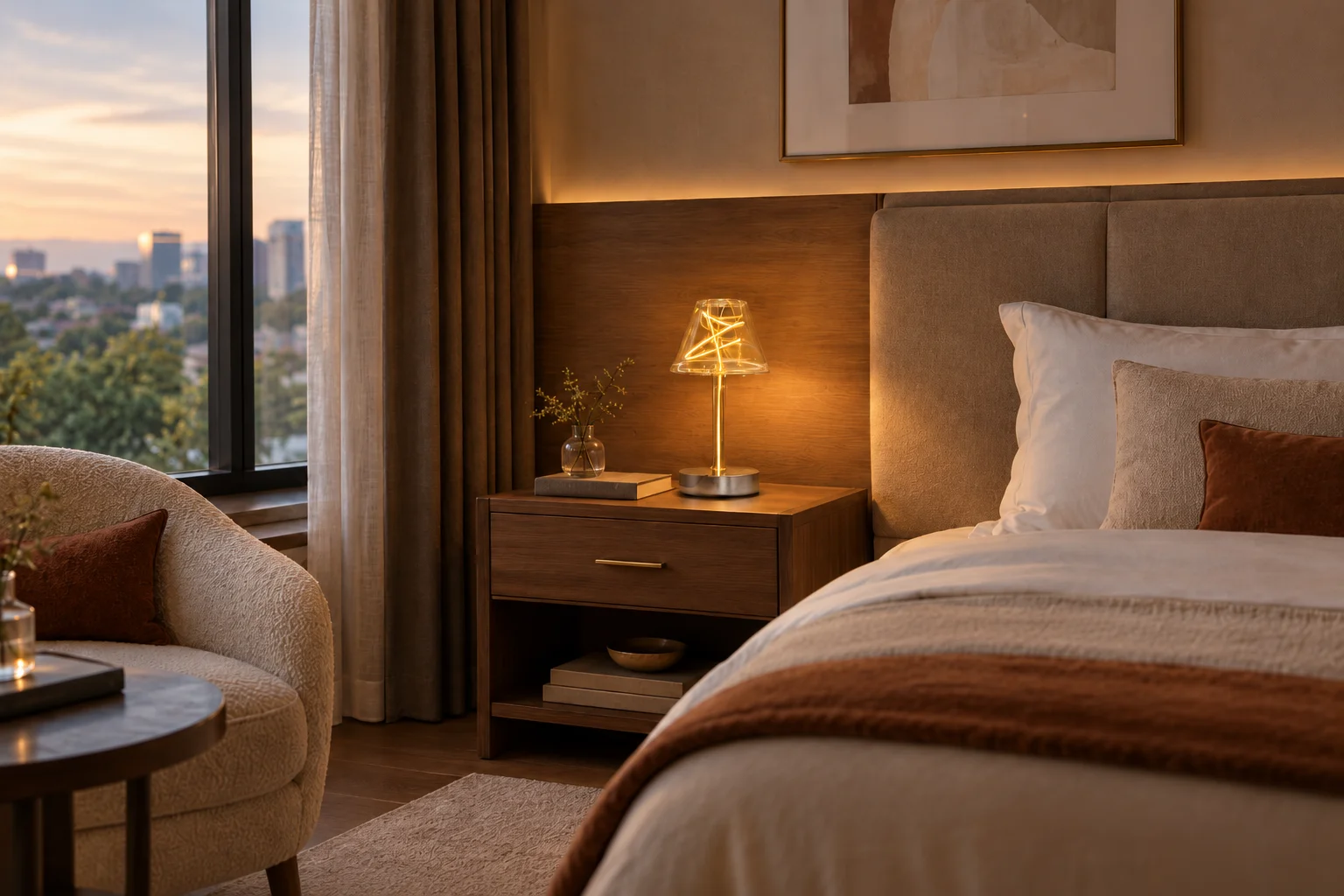
LED filament + SMD LED
Instead of replacing one technology with another, hybrid lighting allows each light source to perform a different role.
The filament light source provides:
This makes it ideal for:
It creates the emotional side of lighting.
The additional SMD light source can provide:
Together, the two systems create layered lighting:
Filament → atmosphere
SMD → functionality
This combination allows one fixture to serve multiple lighting scenarios.
For brands applying the same principle to the softer end of the catalogue, our ambient lighting range uses one fixture for both roles — decorative filament for atmosphere, SMD for function.
The future of lighting is not about choosing between traditional aesthetics and modern technology.
Instead, the industry is moving toward products that combine:
Retro filament bulbs and vintage-inspired lighting remain popular because they bring emotional value into interiors.
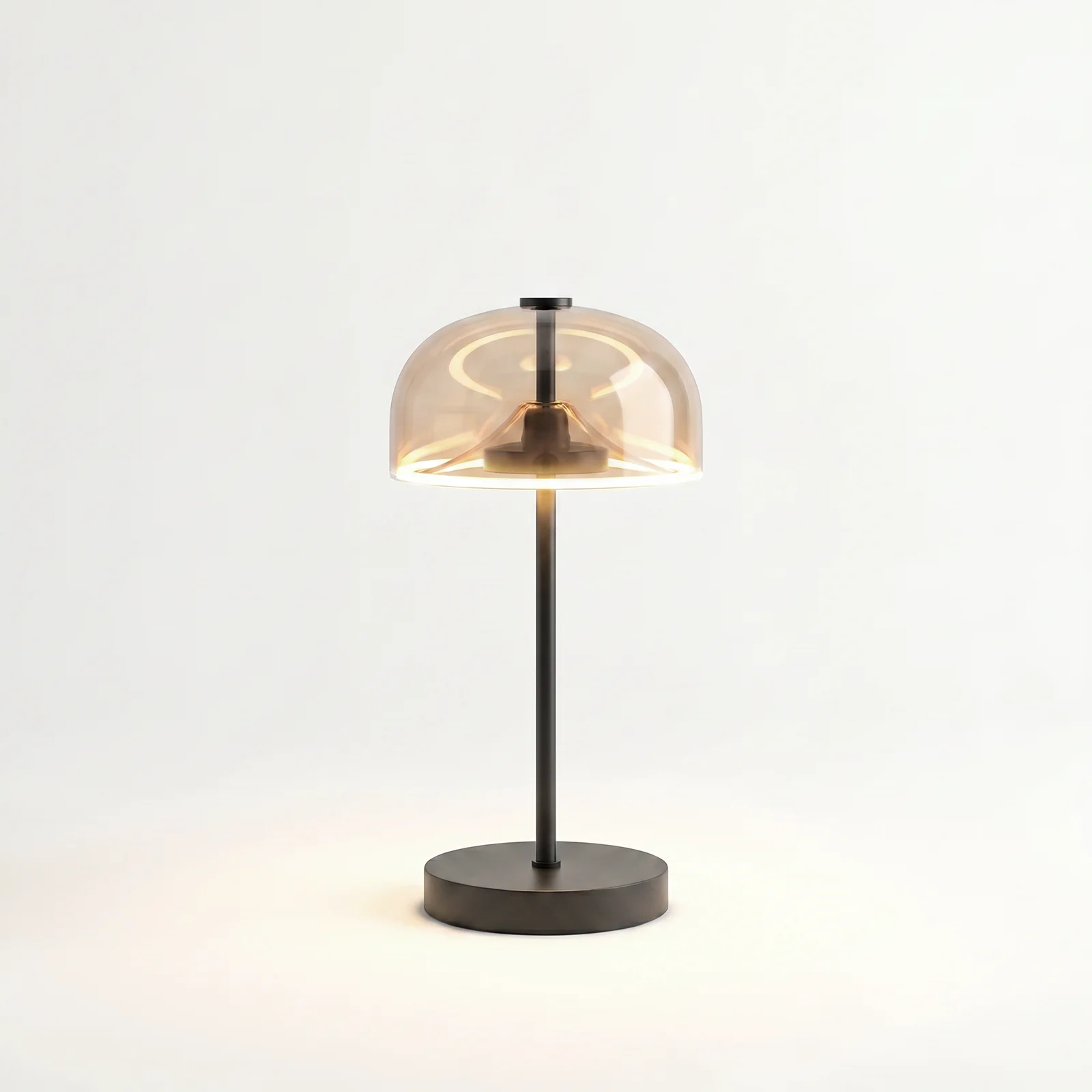
However, modern consumers also expect:
Hybrid LED technology bridges this gap.
The development of smart bulbs and smart LED bulbs is also accelerating hybrid lighting trends.
Future lighting products will not only answer:
“How bright is the light?”
They will answer:
“How does the light make people feel?”
Through technologies such as:
smart lighting can become more personalized.
The combination of decorative LED structures and smart functions creates opportunities for a new generation of premium lighting products.
For lighting brands, retailers, and designers, hybrid LED technology creates several advantages:
The lighting market is increasingly competitive.
Combining different LED technologies allows brands to create products with unique:
A hybrid lighting product can serve multiple environments:
Consumers are no longer purchasing only brightness.
They are purchasing:
Hybrid LED technology supports premium positioning by combining engineering with emotional design.
Single light source designs will continue to play an important role in lighting.
However, as lighting becomes more connected, decorative, and experience-driven, hybrid LED solutions will become increasingly important.
The future of lighting is not about choosing between filament, SMD, or smart technology.
It is about combining different technologies to create better experiences.
At Hangke, we explore innovative LED architectures that combine decorative filament structures, advanced SMD solutions, and smart lighting technologies to help brands develop differentiated lighting products for global markets.
Hybrid LED design & filament for atmosphere, SMD for function — is reshaping premium decorative lighting. Hangke develops dual light source fixtures for brands, retailers, and hospitality projects worldwide, from custom filament bulbs to complete luminaire programs.
Explore our custom LED filament bulb manufacturing and get a quote for your lighting project.