Best Mid-Century Lighting: How to Choose for Your Space
Mid-century modern is back — not as a passing revival, but as a durable design…
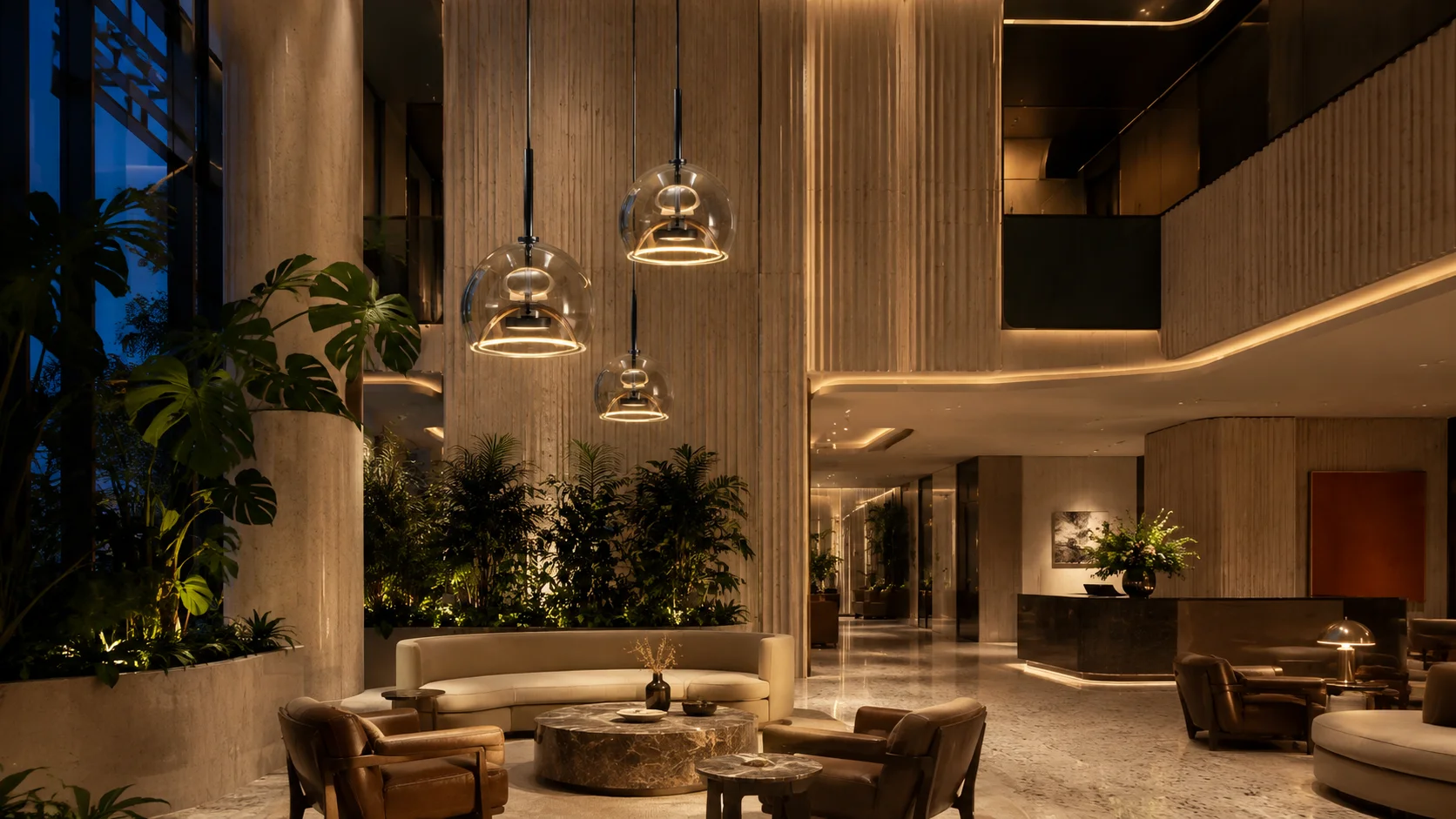
Choosing a pendant light manufacturer is really a decision about how much control you keep. Brands, retailers, wholesalers and designers arrive with different constraints — catalogue margin, private-label compliance, project lead time, or a design language that has to survive contact with a real ceiling. We build decorative pendant lighting as OEM and ODM for all four, and the pattern is consistent: buyers get the best outcome when they decide early whether they are buying capacity, buying a design, or buying a development partner. This guide sets out how each model works, which specifications decide commercial performance, and how to evaluate a manufacturer before you commit volume.
Consumer listings optimize for a photograph and a price. Commercial programs optimize for repeatability — the same pendant, the same finish, the same glow, across hundreds of units and across reorder cycles.
A retailer needs carton-ready SKUs with scannable labels. A brand needs its name on the packaging and its standard on the part. A designer needs a drop length and finish that match the rendering. A wholesaler needs breadth without ballooning inventory. The same fixture can serve all four, but only when the manufacturer treats the specification as a contract rather than a suggestion.
Our decorative lighting manufacturer page covers how we approach the wider category.
None is better in the abstract. A young brand often starts with ODM to reach market quickly, then moves to OEM once volume justifies tooling. A wholesaler may run private label for breadth and ODM for hero pieces. Match the model to how much control you need and how fast you need to launch.
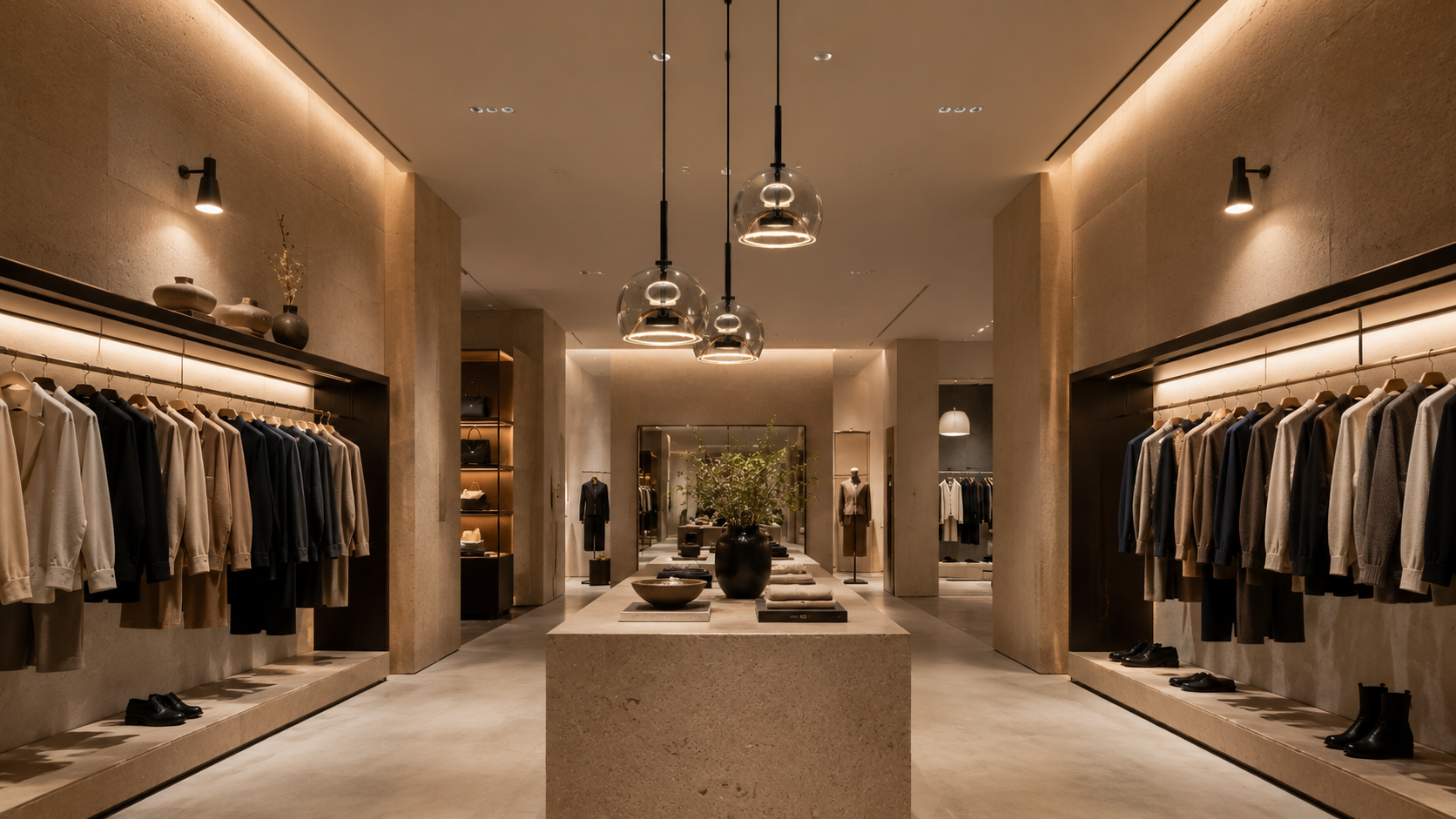
In hospitality and retail installs, pendants tend to fail on details rather than on looks:
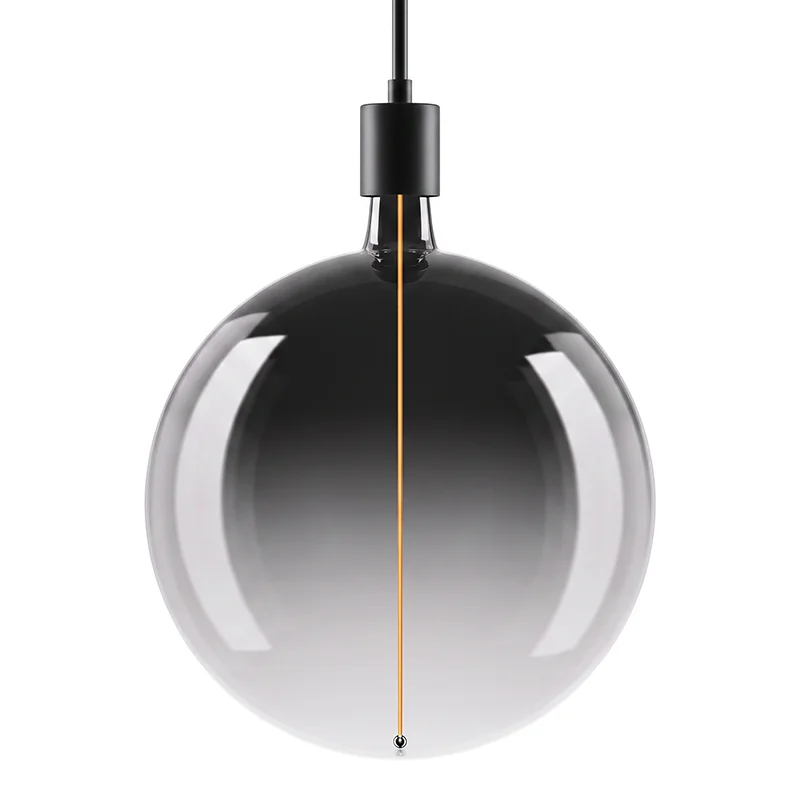
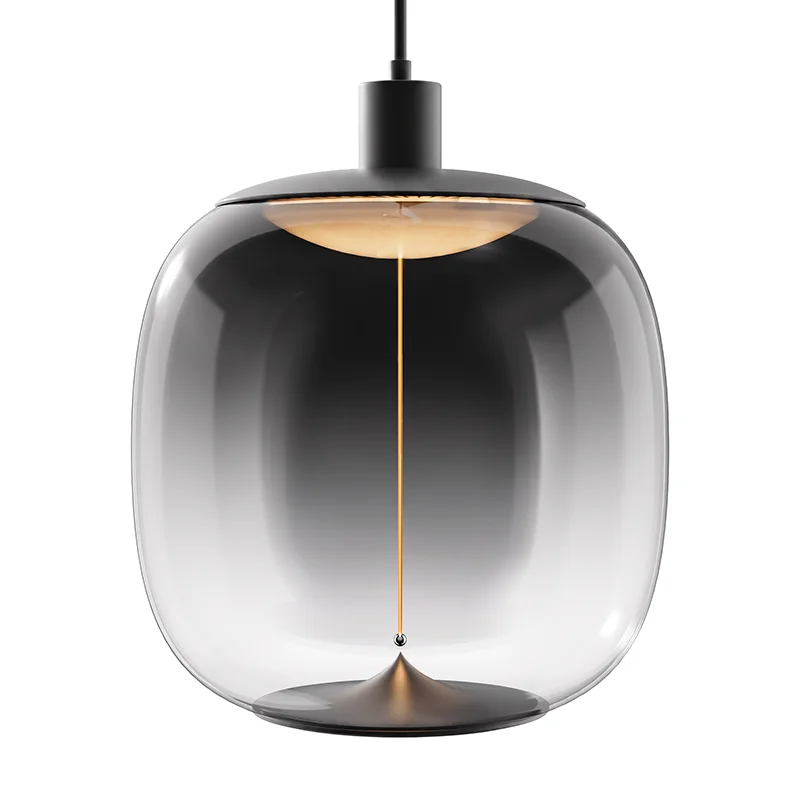
When the shade is glass and the source is a filament, the thermal and optical decisions sit close together. That is where proprietary filament structures change what a glass pendant can do: the glow stays even at low output, and the fixture reads as a design object rather than a housing. Our LED filament bulb manufacturer page covers the technology behind it.
Industry MOQs for pendant programs typically start in the low hundreds per SKU and rise with the depth of customization — the further a fixture departs from an existing platform, the more tooling and setup it absorbs. Lead time divides into tooling (OEM only), sampling, and production.
The sequence that protects both sides: approved sample → signed specification sheet → pre-production run → AQL inspection → bulk release. Get the spec sheet in writing before the deposit. Verbal specifications are one of the most common sources of dispute in this channel.
Before committing volume, check:
Capacity and price matter, but these five predict whether the relationship survives a second order. One more signal is worth checking: whether the manufacturer owns any of the technology inside the fixture. A supplier assembling bought-in parts can quote competitively but cannot help you differentiate. Hangke holds more than 500 global patents across LED filament and decorative lighting R&D, design and manufacturing, which means the platforms we build on are ones we control.
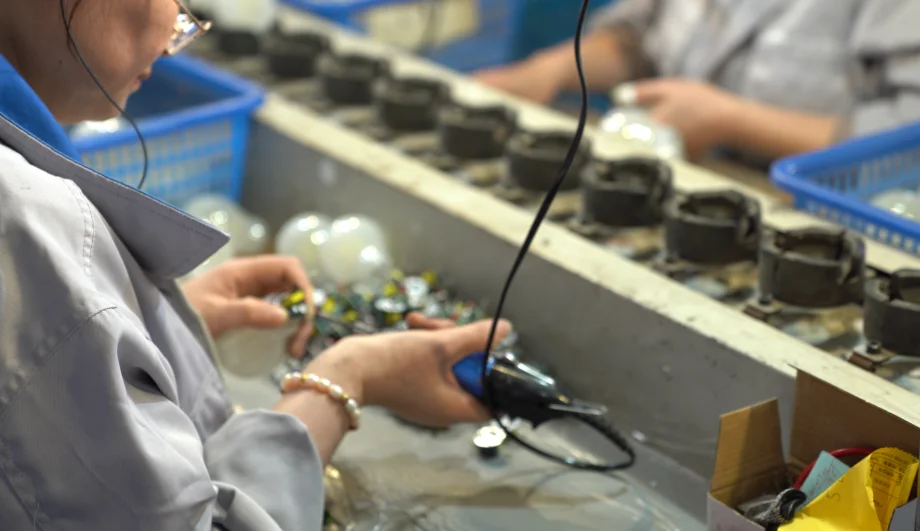
Hangke Optoelectronics develops and produces decorative pendant lighting in-house, across glass, metal and mixed-material shades.
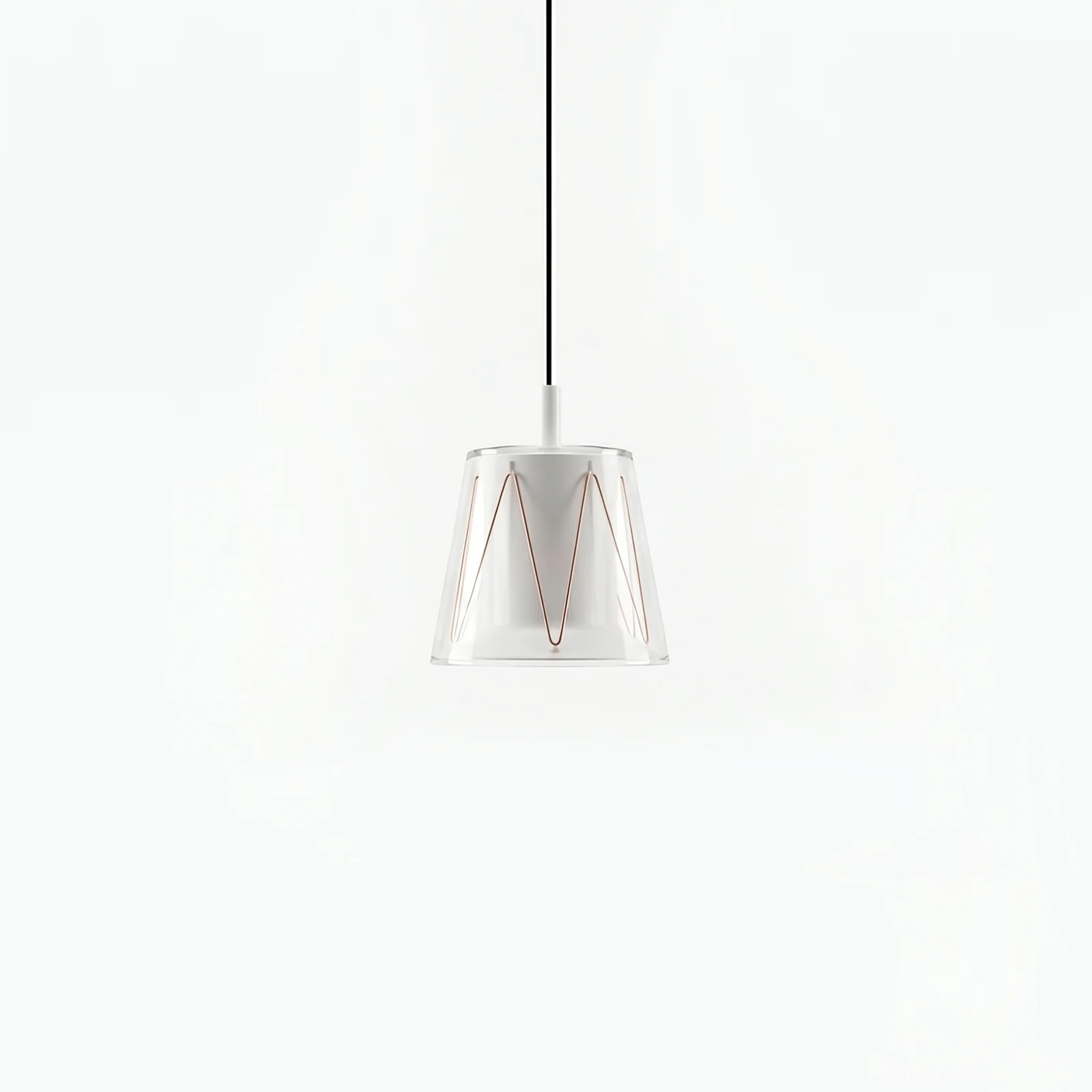
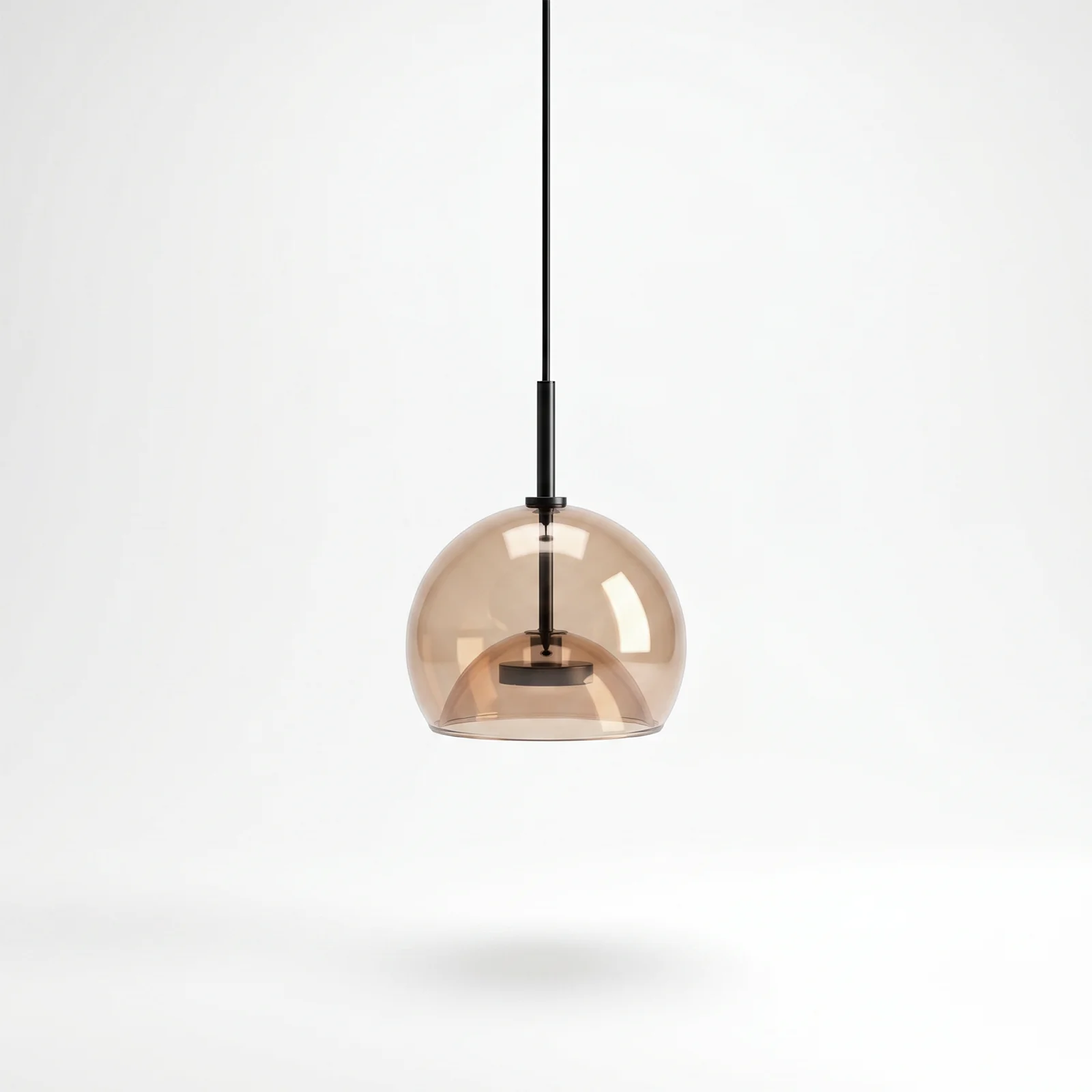
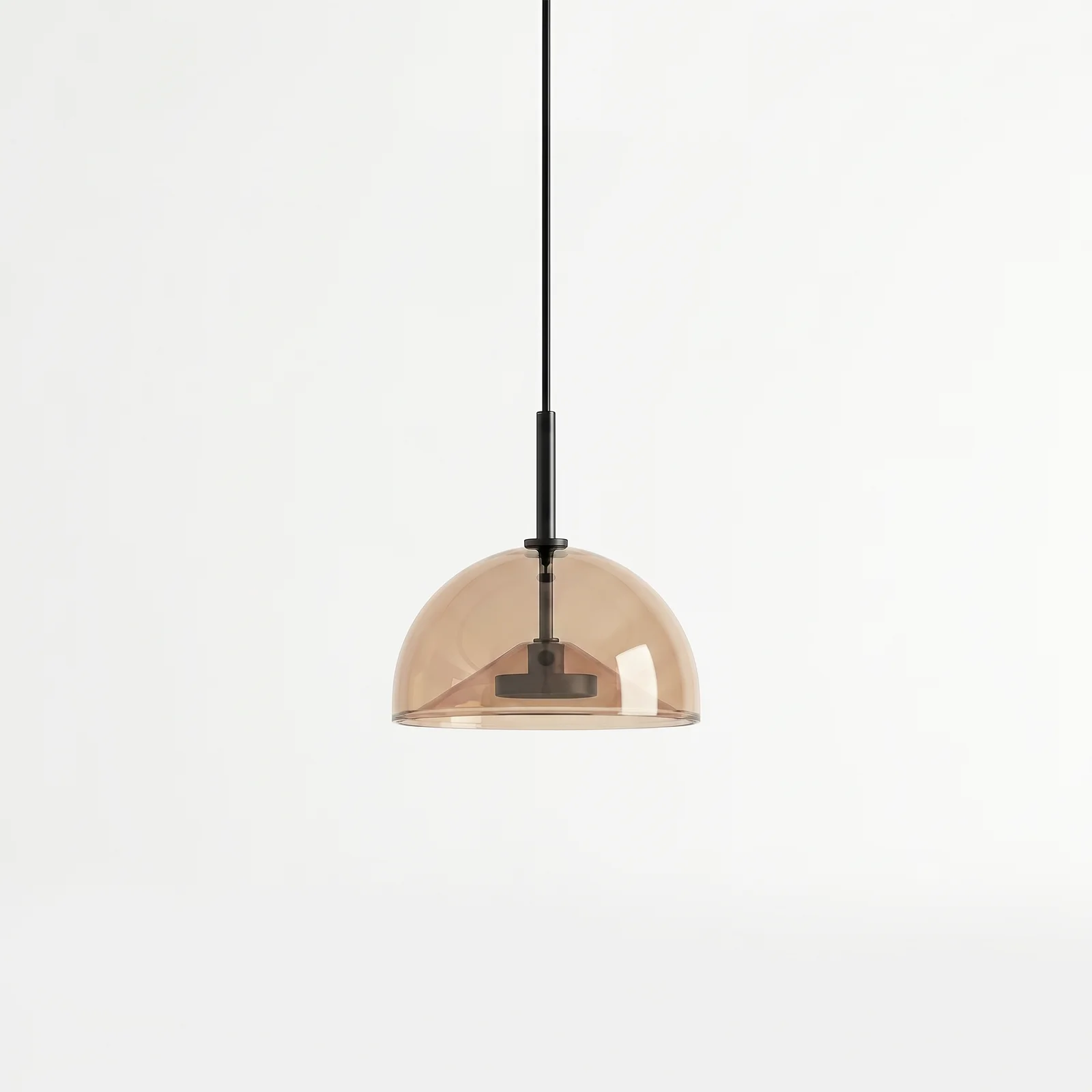
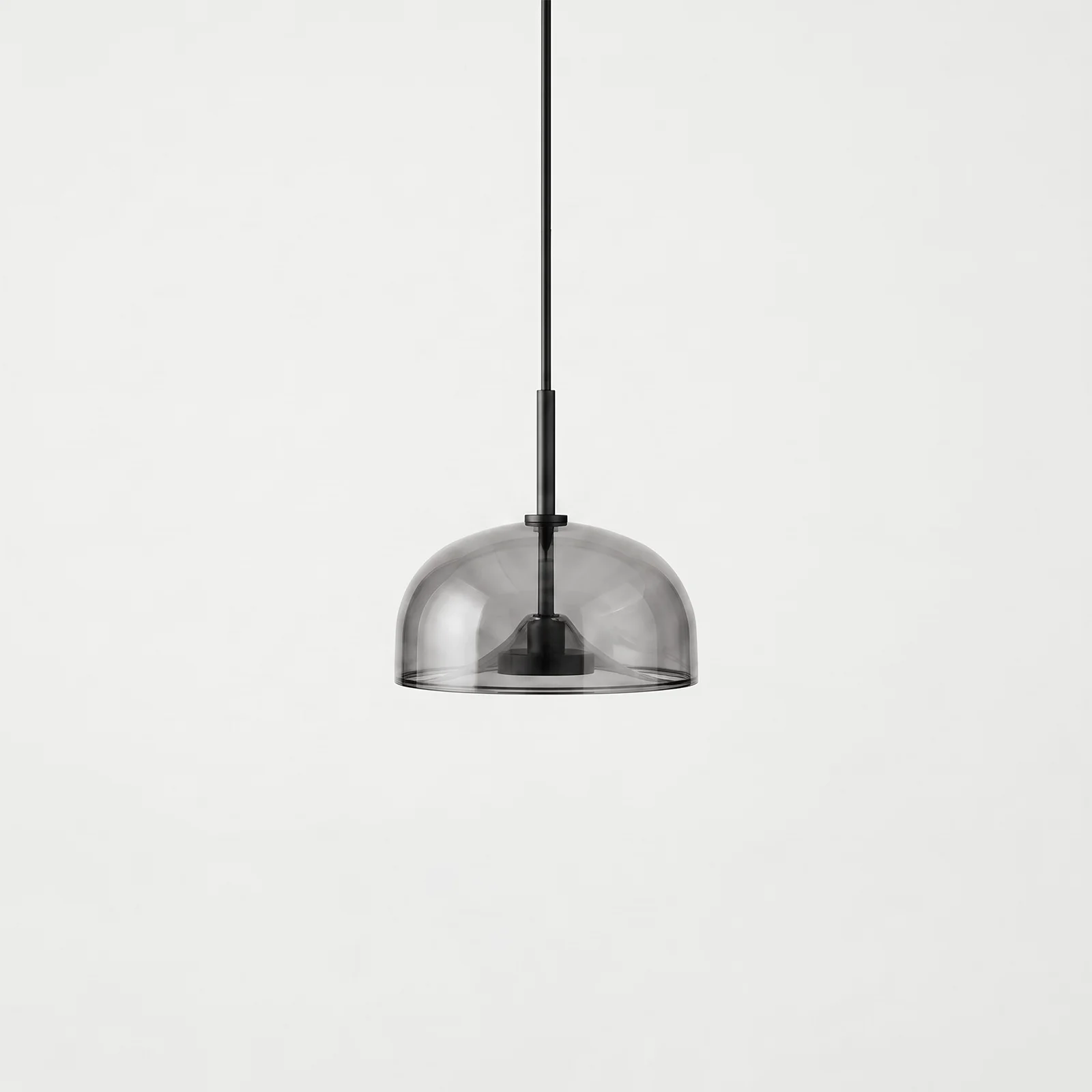
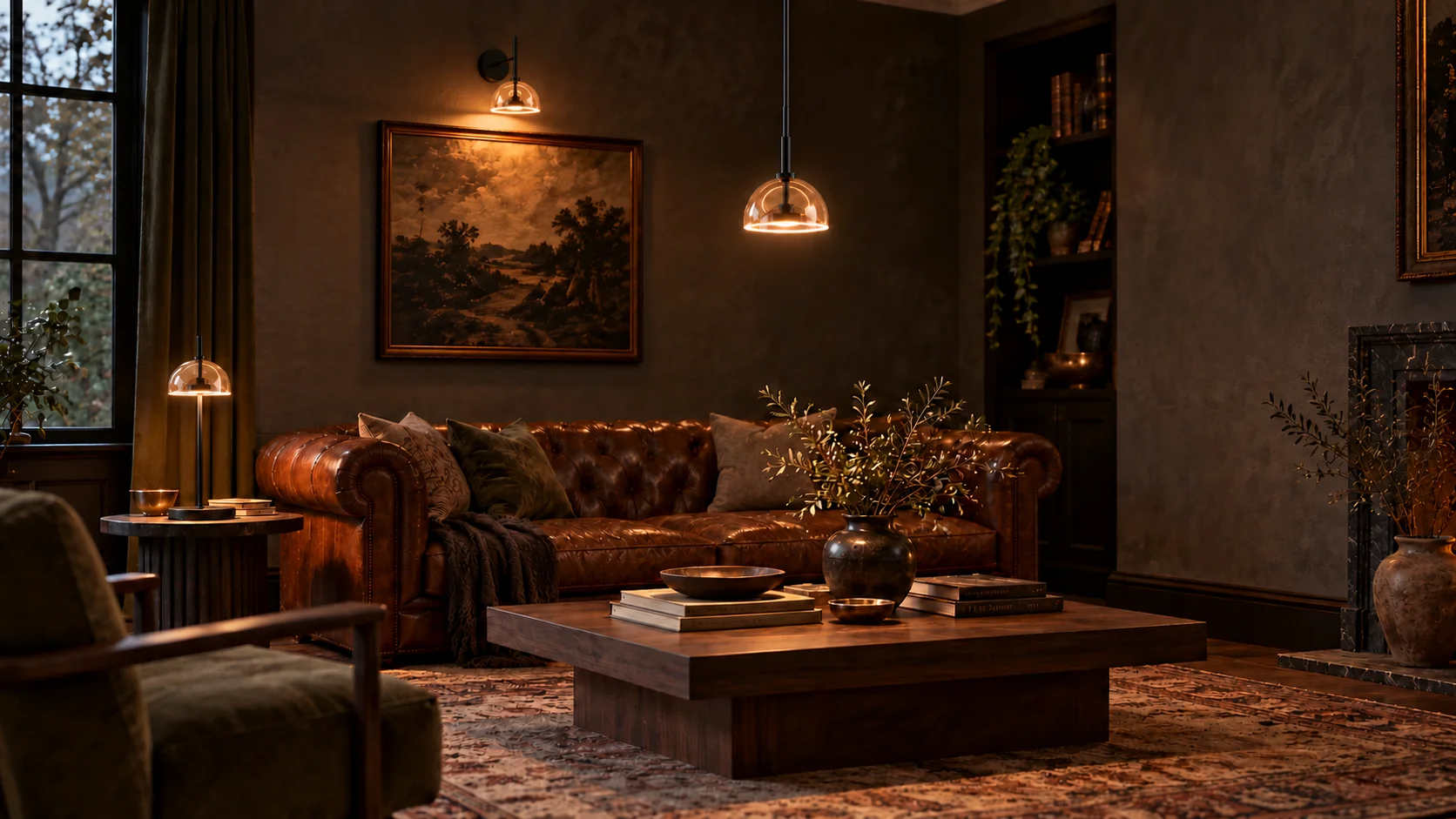
Twins uses a patented double-glass structure with an integrated filament to deliver 360-degree illumination with visual balance. The same language is adapted across pendant, table and wall formats, so a brand can build a coherent range from a single platform rather than sourcing three unrelated fixtures. Browse the current range on our products page.
Both are built on production lines we own. That is what allows a brand, a retailer and a designer to start from the same platform and finish with products that look nothing alike.
If you are scoping a pendant program, send a reference image and your target market. We will tell you whether OEM or ODM fits, confirm the certification path, and return a sample plan. Let’s discuss your next lighting project.
Six formats currently in production for brands, retailers and wholesalers.
Need a quote against your own spec? Send your drawings and volumes.