Architectural Outdoor Lighting: Specifier’s Sourcing Guide
Architectural outdoor lighting specifications are usually fixed long before a quotation request reaches a factory. Mounting…

A factory in Asia and a manufacturer in North America can both make a good decorative lamp, and both can fail a program in different ways. Buyers who compare only the unit price discover the rest after the first order — in freight, in rejected batches, in the time to replace a part. The useful question is not “which is cheaper” but “which trade-offs fit how we buy.”
This framework comes from the factory side and is deliberately even-handed: some programs suit an overseas partner, others a domestic one. Knowing which saves more than negotiating a few cents off a lamp.
Before comparing countries, write down what you are actually buying. A stable, high-volume catalogue item with a fixed specification is a different purchase from a collection that changes finish, colour temperature and packaging each season. The first rewards scale and consistency; the second rewards flexibility and short feedback loops. Most sourcing frustration comes from using a supplier built for one against a brief that needs the other.
A factory running several categories can move a program from a wall light to a pendant or table lamp without a new relationship. If your range will grow that way, ask early what else it makes and whether those lines share components.
The figure on the quotation is only one line in the real cost of a program. Freight and duty matter, but so do the less visible items: the cost of holding extra stock while a shipment is in transit, the labour of checking goods on arrival, and the expense of a warranty claim months later. A lamp cheaper by a small margin can cost more across a season if batches vary and your team has to sort or replace them.
Ask both candidates to price the same scenario — same specification, quantity and delivery terms — then ask what is excluded. A supplier who can explain where the costs sit understands its own production. Two lamps that look identical can cost different amounts to produce for entirely reasonable reasons, and the structure behind a price tells you more than the price itself.
Buyers often ask how a factory guarantees a lamp performs the same in the third order as it did in the sample. The honest answer is that no one guarantees it by assertion. Consistency comes from a process you can inspect: an agreed sample both sides keep, a written specification of the features that matter, photographs taken under the same light when a batch is approved, and a record of any component change before it is made.
Ask to see that process rather than a certificate. A factory that signs off samples jointly with buyers and writes the agreed standard into the order is describing a system. One that simply says the output is always the same is describing a hope. This matters more than the country on the address, and it applies equally to an overseas plant and a domestic one.
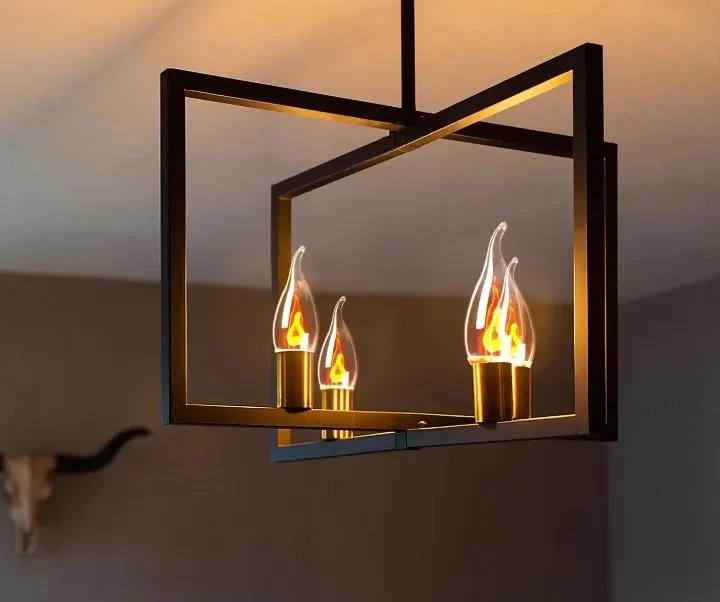
If your program involves custom tooling, several finishes, or a specification that differs from a catalogue item, an overseas factory with in-house lines is usually stronger. You are buying the ability to change things — a different glass, a revised mounting, retail packaging printed to your artwork — without renegotiating the whole program each time. At steady volumes the economics on repeat orders can also be better, provided the factory has real capacity rather than a trading desk in front of one.
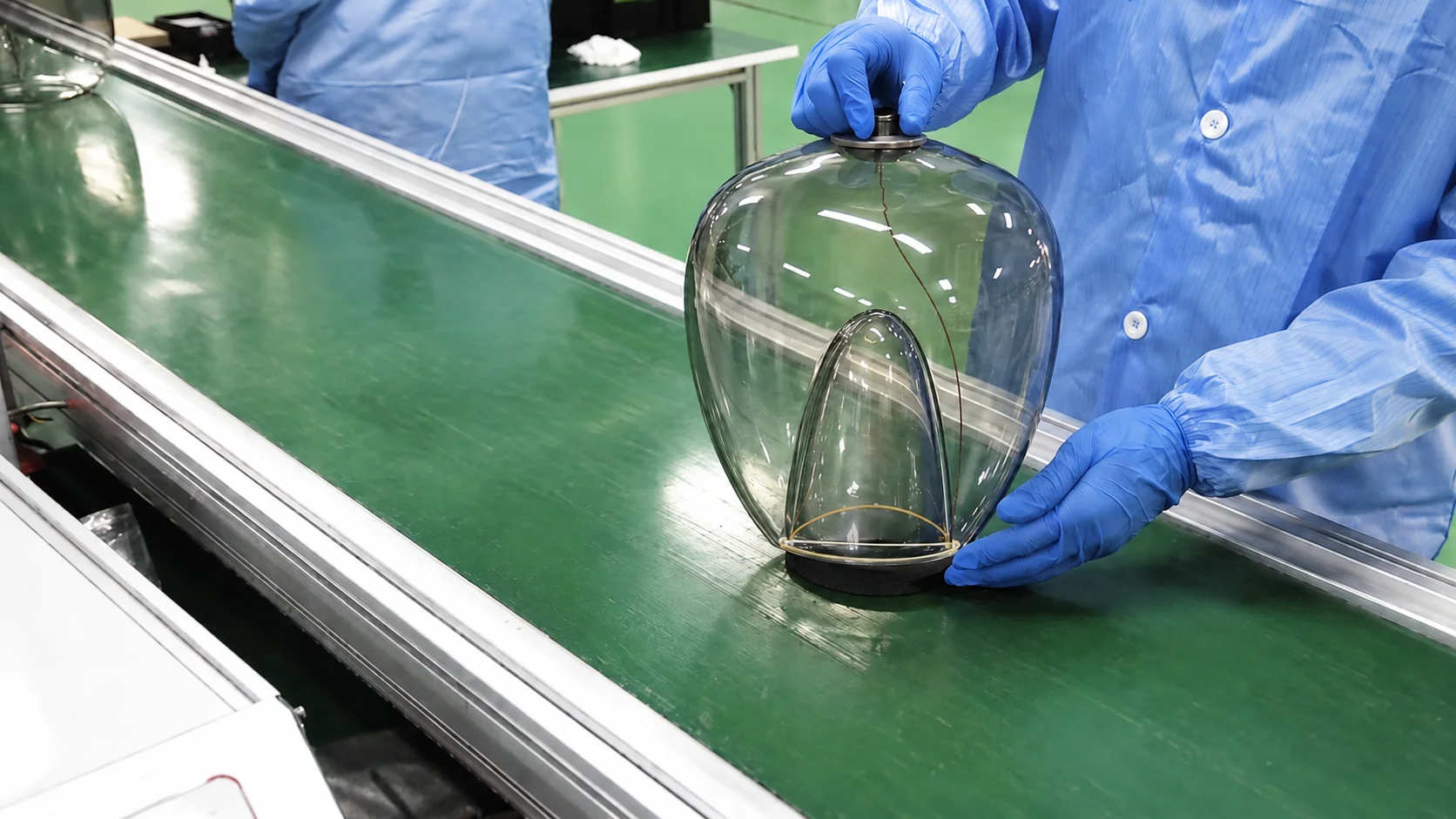
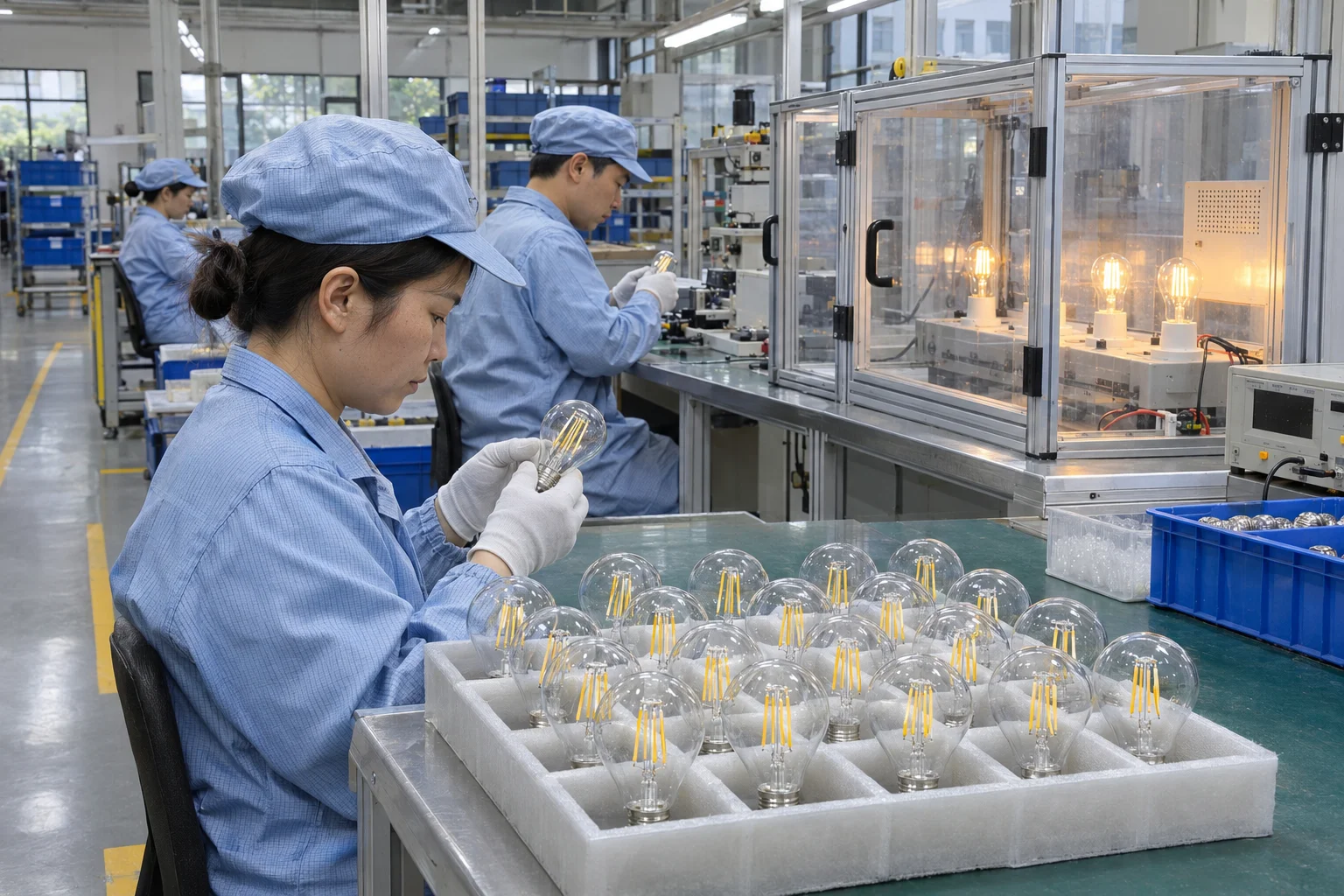
The practical test is whether the supplier can show you the production: the lines, incoming materials, inspection points and the people responsible for them. A showroom alone does not answer that. A supplier willing to walk you through a working line is telling you something useful, even if the conversation starts over video.
If you need small quantities, frequent replenishment, or a range that changes faster than a production cycle allows, the shorter lead time of a domestic supplier can outweigh a higher unit price. Fast-moving retail programs, urgent replacements and early tests all fall into this category.
This is not a judgement on quality but a match between how a factory is set up and how you buy. A good supplier in either market will say plainly when it is not the right fit — and that candour is worth listening to.
Whoever you are considering, ask the same three things. What exactly is included in the price, and what is not? What is the process for approving a sample and recording changes after approval? What happens, in writing, if a batch does not match the agreed standard? The answers, not the accents, tell you how a relationship will run.
Match the supplier’s structure to the way your range changes. Stable volume and customization favour an overseas factory with real production lines; speed, small runs and fast iteration favour a domestic one. Compare total cost, inspect the consistency process, and get the answers in writing before the first order.
If you are weighing a custom decorative lighting program against a domestic quote, we are happy to be measured against the same three questions. Reach Hangke Optoelectronics through our contact page: https://byhangke.com/contact-us/