Hotel Room Lamps: What Hospitality Buyers Specify
A hotel room lamp leads a harder life than any lamp in a home. It…


Lighting is entering a new era.
For decades, lighting products were primarily evaluated by their functional performance — brightness, efficiency, lifespan, and reliability. While these factors remain essential, today’s lighting market is evolving toward a more emotional and design-driven experience.
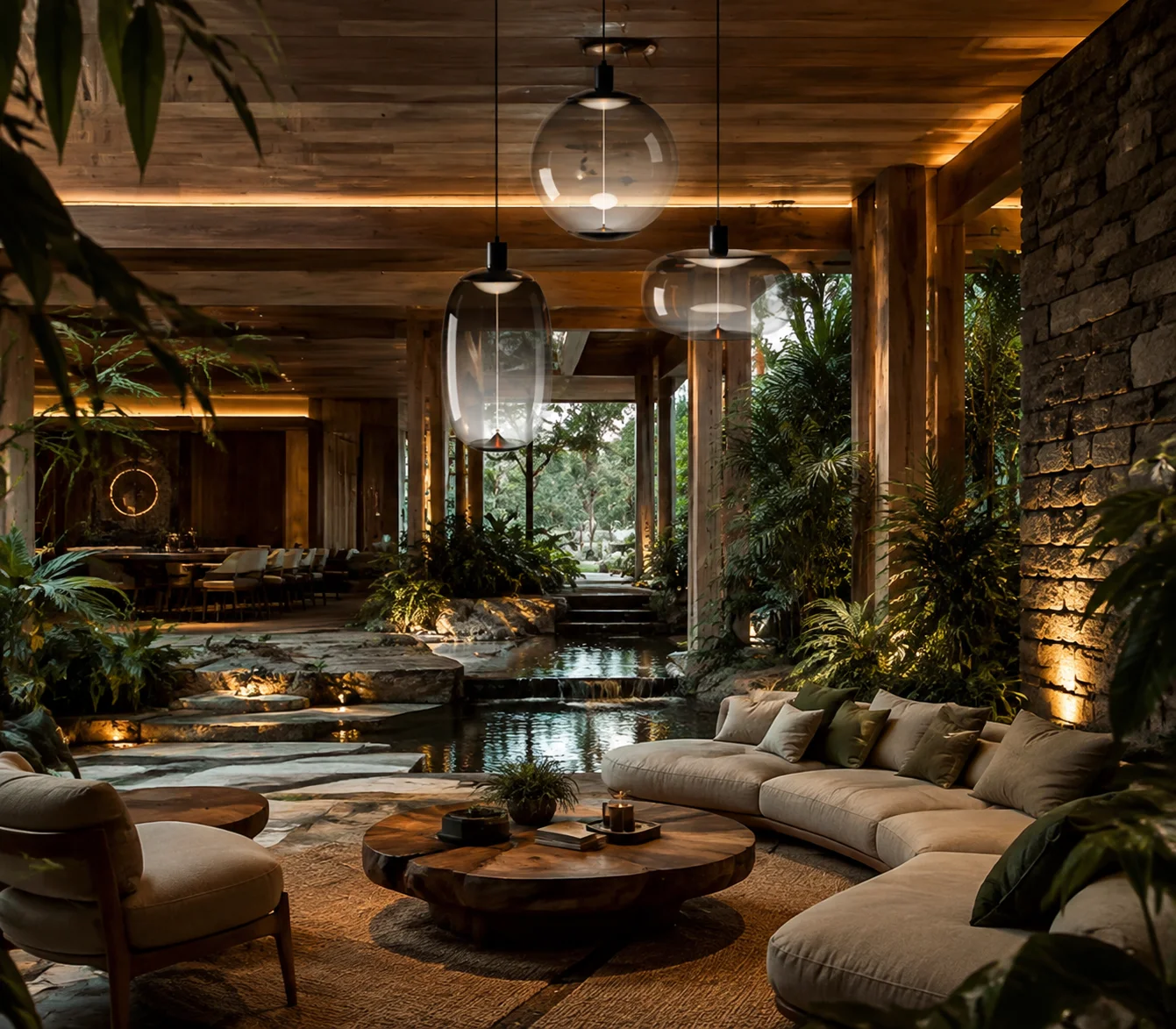
Modern consumers, interior designers, hospitality developers, and retail brands increasingly view lighting as more than an illumination source. Lighting has become an architectural element, an artistic expression, and a defining feature of interior spaces.
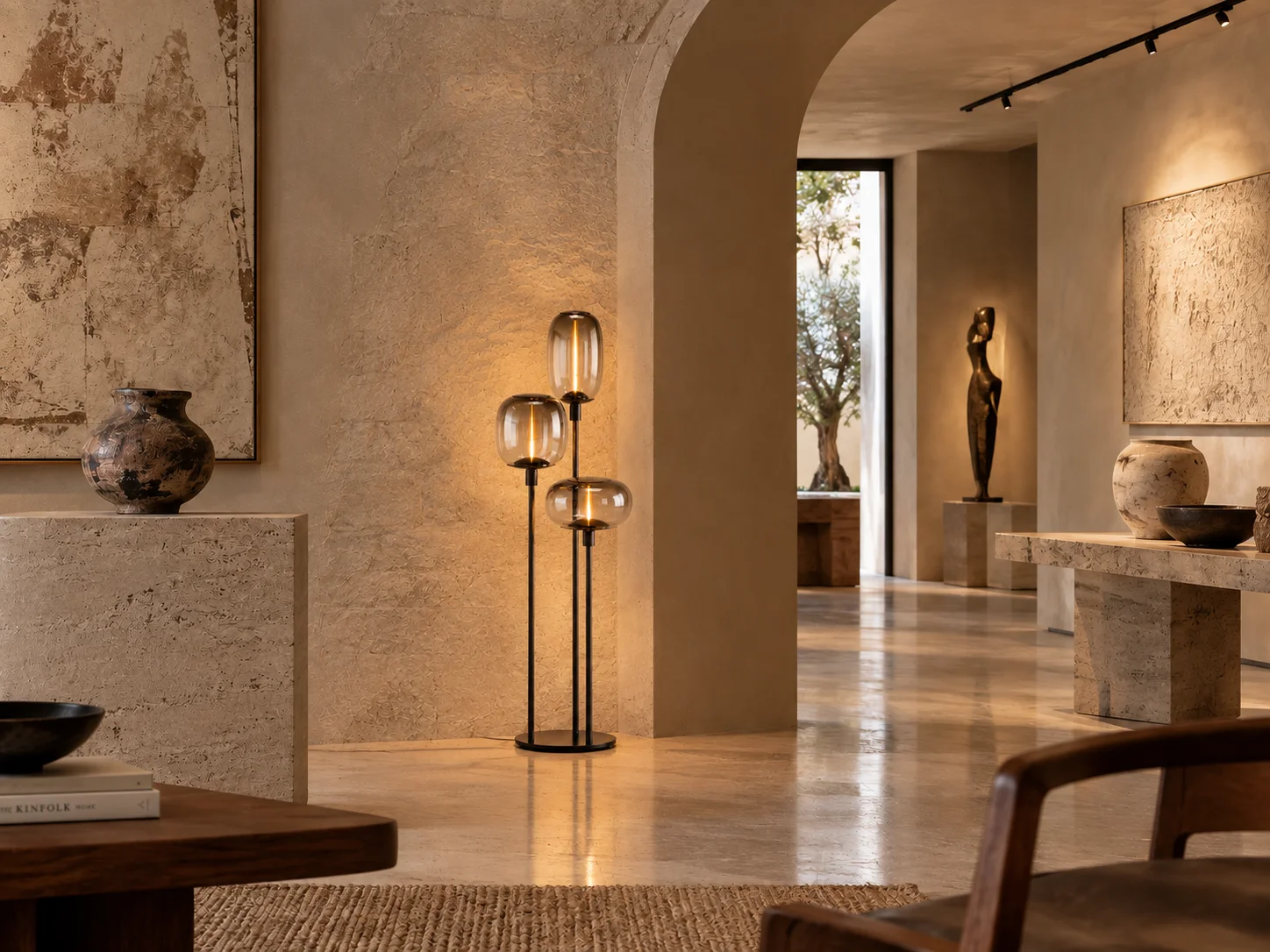
This transformation has accelerated the rise of sculptural lighting — lighting products designed with distinctive forms, artistic silhouettes, innovative materials, and strong visual identities.
From organic pendant lights and artistic table lamps to decorative LED filament bulbs that create a unique atmosphere, sculptural lighting is reshaping how brands develop and market lighting products.
However, transforming an inspiring design concept into a successful commercial collection requires more than creativity.
It requires the combination of design expertise, optical innovation, engineering capability, and manufacturing experience.
This is where professional lighting ODM partners create value.
Traditional lighting suppliers typically focus on production based on existing specifications.
A brand provides:
The manufacturer then focuses on producing the product.
This approach works well for standardized lighting products. However, sculptural lighting often begins with an idea rather than a finished design.
Brands developing unique lighting collections need partners who can participate earlier in the process:
A lighting ODM partner works together with brands to answer these questions, turning creative concepts into commercially viable products.
Creating a successful sculptural lighting collection requires a structured development process.
Every successful product begins with understanding the market.
Lighting brands need to identify:
The growth of sculptural lighting reflects a broader change in consumer expectations.
People are looking for lighting products that create atmosphere and emotional connection.
This has driven demand for:
A knowledgeable ODM partner can help brands identify these opportunities and transform market trends into product concepts.
A great lighting idea must eventually become a real product.
The challenge is balancing creativity with practicality.
During the industrial design stage, ODM teams evaluate:
The shape, proportion, and visual identity of the product.
Different materials create different experiences:
The internal design must support:
A professional lighting ODM partner helps preserve the original creative vision while ensuring the product can be manufactured successfully.
Sculptural lighting is not only about appearance.
The true challenge is creating products that are both visually attractive and technically excellent.
Behind every successful decorative lighting product are important optical considerations:
For example, decorative LED filament bulbs require careful optical design to ensure that the filament structure itself becomes part of the visual experience while maintaining efficient illumination.
Innovative lighting technologies, such as advanced LED filament structures, glass optical designs, and multi-light-source solutions, allow brands to create products that combine artistic expression with lighting performance.
An experienced ODM partner connects creative design with optical engineering, ensuring that beautiful products also deliver exceptional user experiences.
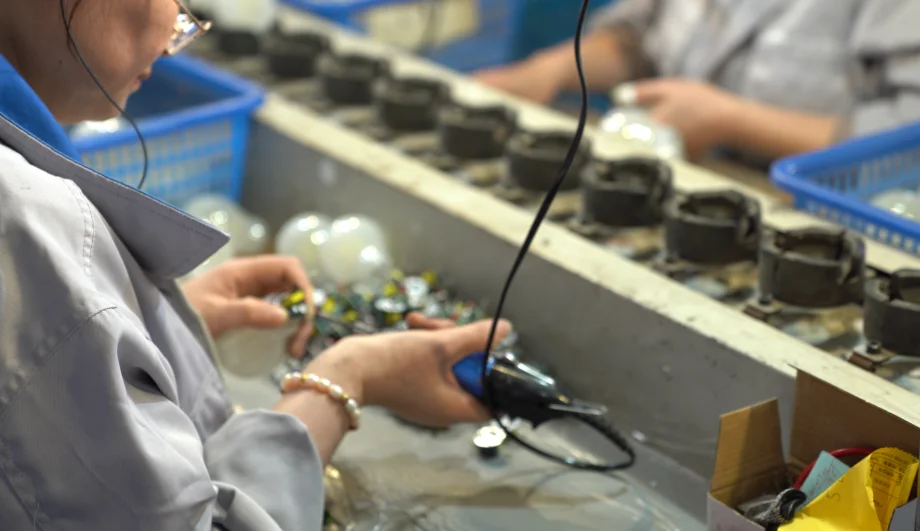
One of the biggest advantages of working with an ODM partner is the ability to move quickly from concept development to prototype validation.
The development process typically includes:
Concept Design
↓
Engineering Evaluation
↓
Prototype Development
↓
Performance Testing
↓
Design Optimization
↓
Mass Production
During this process, ODM teams identify potential improvements in:
This reduces development risks and helps brands bring innovative products to market faster.
Modern lighting brands rarely compete with a single product.
Successful brands build recognizable product families.
A sculptural lighting concept can often expand into a complete collection including:
A capable lighting ODM partner helps brands create collections with:
This allows retailers and lighting brands to build stronger product portfolios instead of selling isolated items.
The role of lighting suppliers is changing.
In the past:
Brand → Supplier → Production
Today:
Brand ↔ ODM Partner → Innovation → Production
Lighting brands increasingly need partners who can contribute beyond manufacturing.
A strong lighting ODM partner provides:
Helping transform ideas into distinctive lighting products.
Developing innovative solutions in LED technology, optics, and product performance.
Ensuring designs are practical, reliable, and production-ready.
Delivering consistent quality at commercial scale.
This combination allows brands to create differentiated lighting products while reducing development complexity.
At HANGKE, lighting development combines design thinking, optical innovation, and manufacturing expertise.
With experience in LED lighting technologies and decorative lighting products, HANGKE supports global brands in developing customized lighting solutions from concept development to mass production.
Our ODM capabilities cover:
By combining creativity with manufacturing expertise, HANGKE helps brands transform unique lighting ideas into market-ready collections.
The rise of sculptural lighting represents a significant shift in the lighting industry.
Tomorrow’s successful lighting products will not be created through manufacturing alone.
They will come from collaboration between designers, brands, engineers, and experienced ODM partners.
For lighting brands seeking to create distinctive collections, the right ODM partner provides the expertise needed to transform creative concepts into commercial success.
From the first idea to the final product, lighting ODM partners are helping shape the future of lighting design.