Hotel Room Lamps: What Hospitality Buyers Specify
A hotel room lamp leads a harder life than any lamp in a home. It…

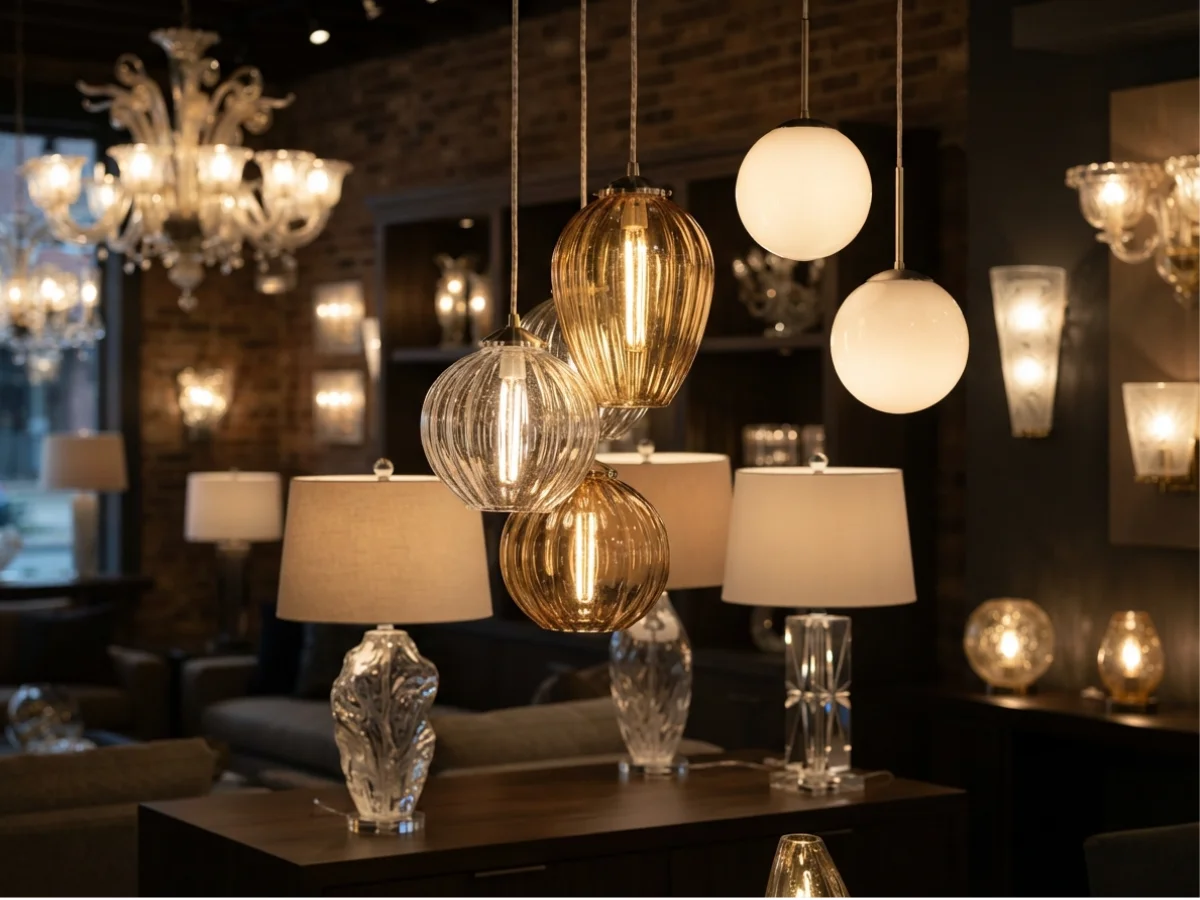
Decorative lighting has evolved far beyond simply illuminating a room. Today, lighting products are expected to serve multiple purposes: they must provide comfortable illumination, create atmosphere, complement interior aesthetics, and differentiate retail collections in an increasingly competitive market.
Yet despite significant advances in LED technology, many decorative lamps still share the same fundamental limitation—they are designed to be viewed from a single angle.
Traditional filament lamps are often visually striking when viewed head-on, but lose much of their character when observed from the side or rear. Uneven light distribution, visible hotspots, and limited depth can diminish the overall experience, particularly in open-plan interiors where products are seen from every direction.
This challenge raises an important question:
Can decorative lighting deliver a truly immersive 360-degree visual experience?
At Hangke, our answer was to rethink the relationship between light and glass.
Most decorative table lamps rely on a single light source enclosed within a single glass structure. While this approach is cost-effective and easy to manufacture, it presents several limitations:
For retailers and lighting buyers, these limitations can impact product differentiation and shelf appeal.
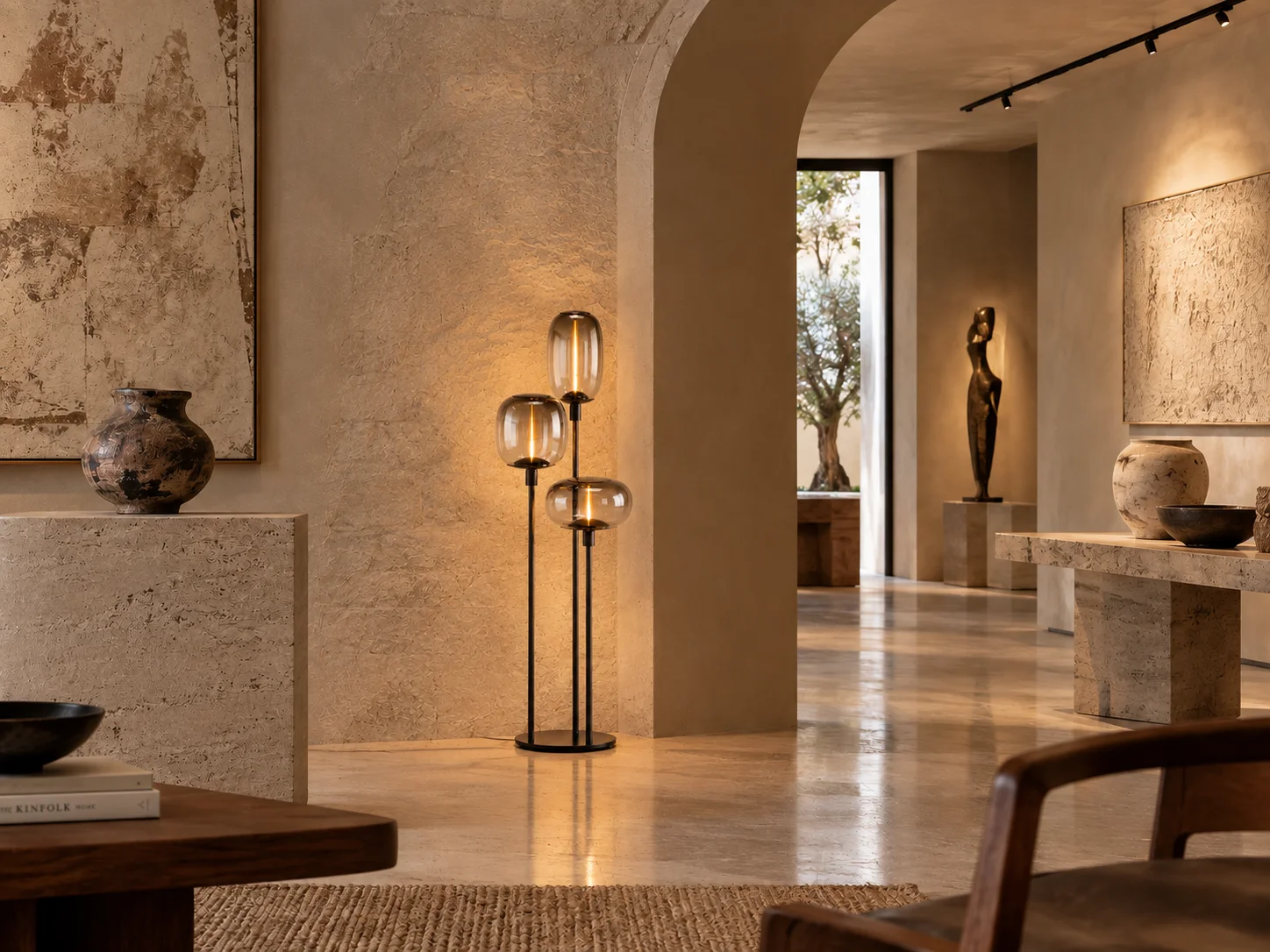
Consumers today interact with lighting differently than they did a decade ago. Lamps are no longer positioned exclusively against walls—they are placed on islands, coffee tables, bedside cabinets, restaurant counters, and hotel lounges where they become part of the spatial composition.
As a result, decorative lighting must perform beautifully from every perspective.
Dual-glass lighting utilizes two independent glass structures to manipulate, diffuse, and layer light in a way that a conventional single-glass design cannot achieve.
Rather than acting as a simple enclosure, glass becomes an active optical element that shapes the lighting experience.
The optical benefits of a dual-glass architecture include:
This concept, known as optical layering, allows lighting designers to create products that feel more architectural, immersive, and premium.
The result is not necessarily more light—but better light.
Human perception of brightness is influenced by far more than lumen output.
Factors such as:
all contribute to how we experience light within a space.
This explains why two lamps with identical lumen outputs can feel dramatically different in an interior setting.
Dual-glass construction introduces additional layers of reflection and refraction, creating subtle visual complexity that changes depending on where the observer is positioned.
This dynamic interaction between material and illumination transforms lighting from a functional object into a sensory experience.
The Twins Series was developed to address one of the industry’s most overlooked challenges: creating decorative lighting that remains visually compelling from every angle.
Inspired by the idea that lighting should be experienced in three dimensions, the collection combines Hangke’s patented dual-glass architecture with proprietary 360-degree LED filament technology.
Unlike conventional filament lamps, the Twins Series utilizes two complementary lighting systems:
Together, these elements create a layered lighting effect that enhances both functionality and aesthetics.
The dual-glass configuration adds depth while maintaining visual balance, ensuring the lamp remains equally engaging whether viewed from the front, side, or rear.
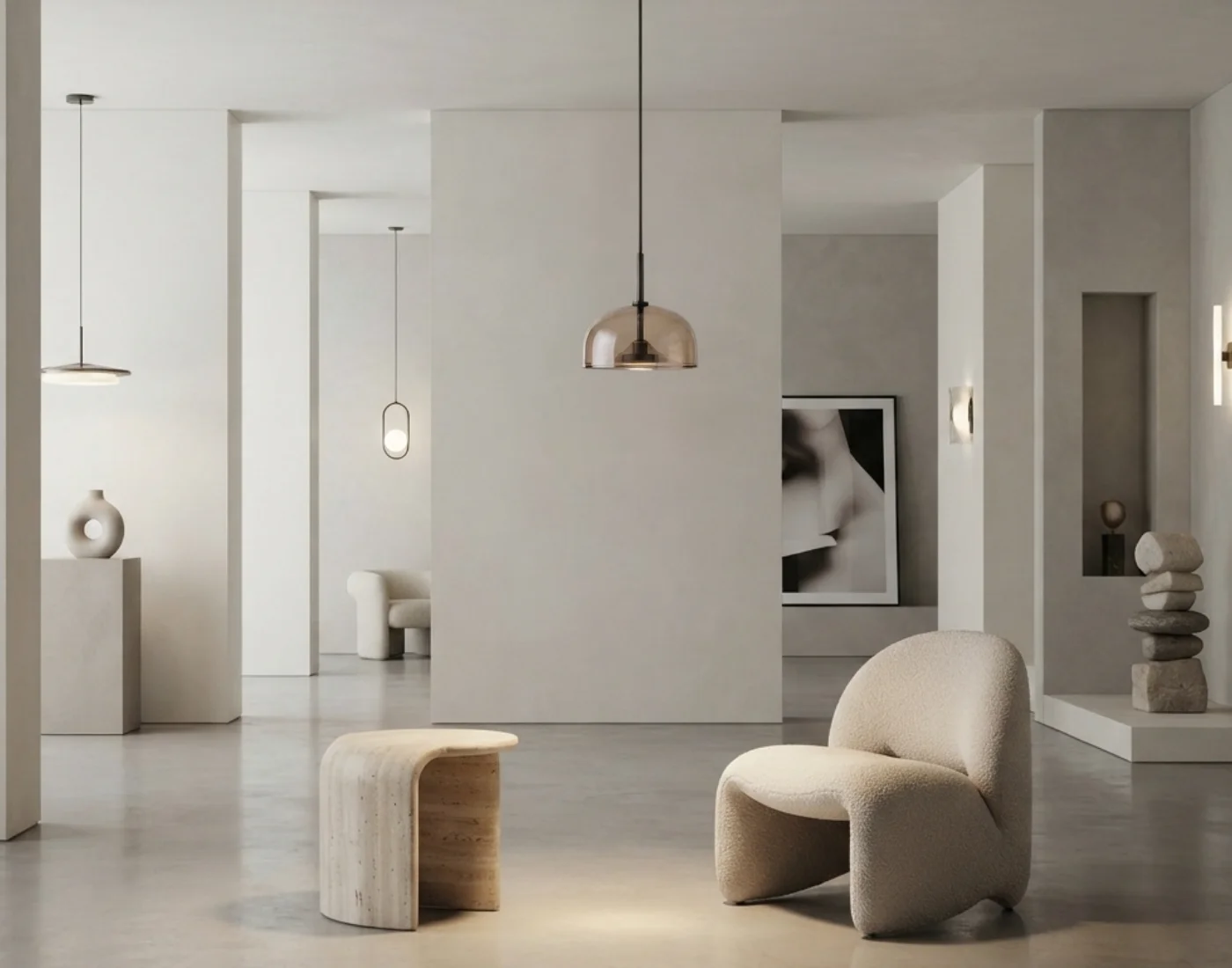
Traditional LED filament designs are often optimized for frontal presentation. While visually appealing in product photography, they can appear flat or uninspiring when viewed from alternate angles.
Hangke’s 360° LED filament technology was engineered to overcome this limitation.
By combining a carefully positioned filament with optical layering techniques, the Twins Series achieves:
This creates a lighting experience that feels more natural and immersive, particularly in contemporary spaces where products are expected to interact with their surroundings.
For hospitality environments, premium retail spaces, and residential interiors, this distinction can significantly elevate the perceived value of a product.
From a commercial perspective, optical innovation offers more than aesthetic benefits.
Retailers and distributors are increasingly seeking products that provide:
A product that looks exceptional from every angle performs differently on a showroom floor than one designed for a single perspective.
Whether displayed on a shelf, within a window installation, or featured in a hospitality project, 360-degree lighting naturally attracts attention and encourages engagement.
For buyers managing crowded product categories, these distinctions matter.
The decorative lighting industry is moving toward a future defined by:
Glass, in particular, is experiencing a resurgence as designers embrace its ability to manipulate light with elegance and precision.
Double-glass structures represent the next chapter in this evolution—not because they are more complex, but because they allow lighting to become more experiential.
As consumers continue to seek products that enrich their environments, manufacturers must think beyond traditional metrics such as wattage and lumen output.
The future belongs to lighting that creates atmosphere, emotion, and connection.
Great lighting is not only defined by the source of illumination, but by the materials that shape it.
At Hangke, we believe glass is more than a housing for light—it is an optical instrument.
The Twins Series embodies this philosophy through its combination of dual-glass architecture and 360° LED filament technology, delivering a lighting experience designed for modern interiors and contemporary lifestyles.
Because in today’s world, lighting should not simply be seen.
It should be experienced—from every angle.