Measure Real Demand Creation in Lighting: A Brand Framework
Every lighting brand faces the same quiet question after a launch: did the new design…

For decades, the lighting industry has been built around a simple question:
“Where does this light go?”
A living room needs a floor lamp.
A bedroom needs a bedside lamp.
A dining area needs a pendant light.
A garden needs outdoor lighting.
Traditional lighting categories have always been organized around fixed spaces and fixed functions.
But consumer lifestyles are changing.
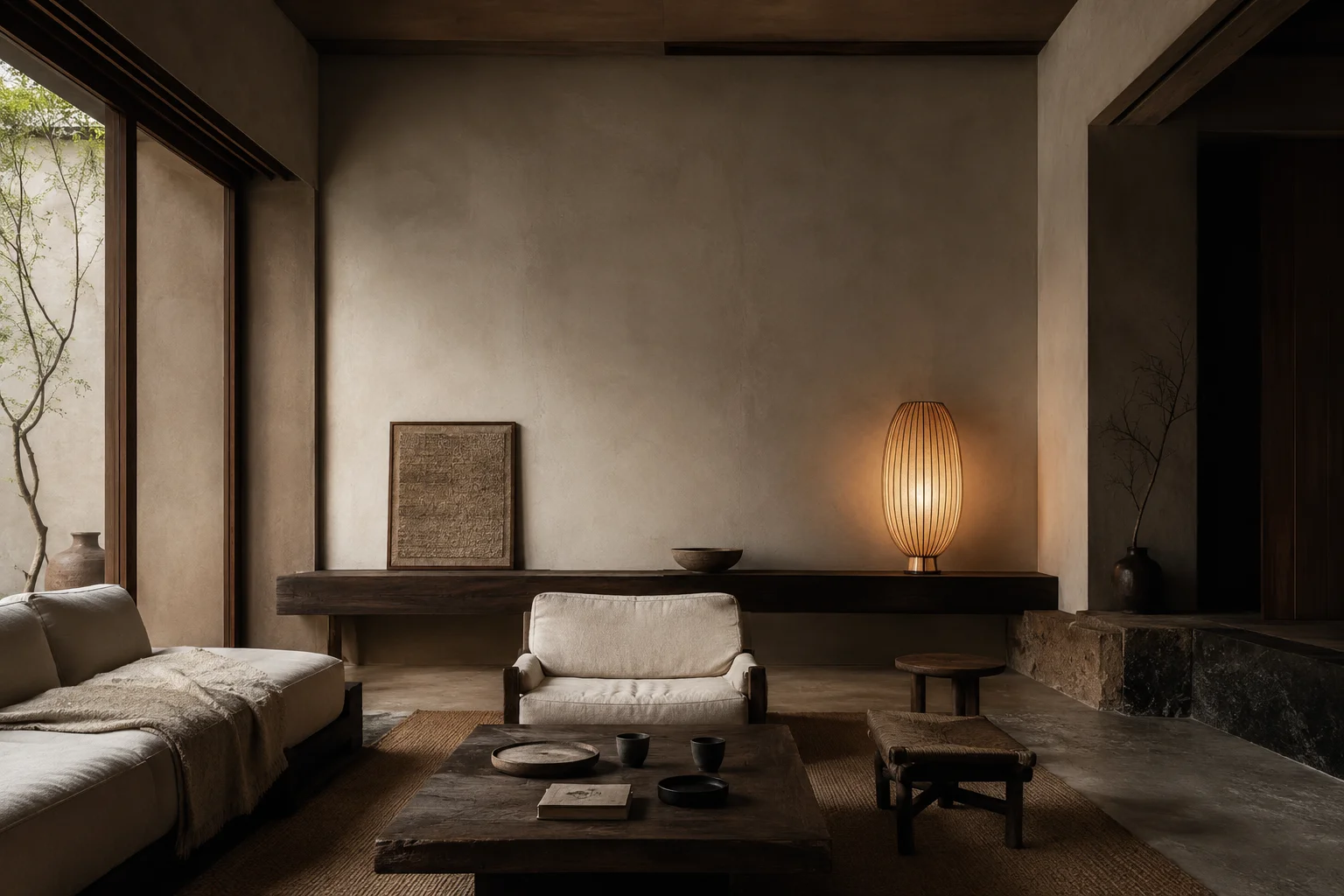
Today, people are no longer simply looking for lighting to illuminate a room. They are looking for lighting to create an atmosphere, define an experience, and adapt to different moments in life.
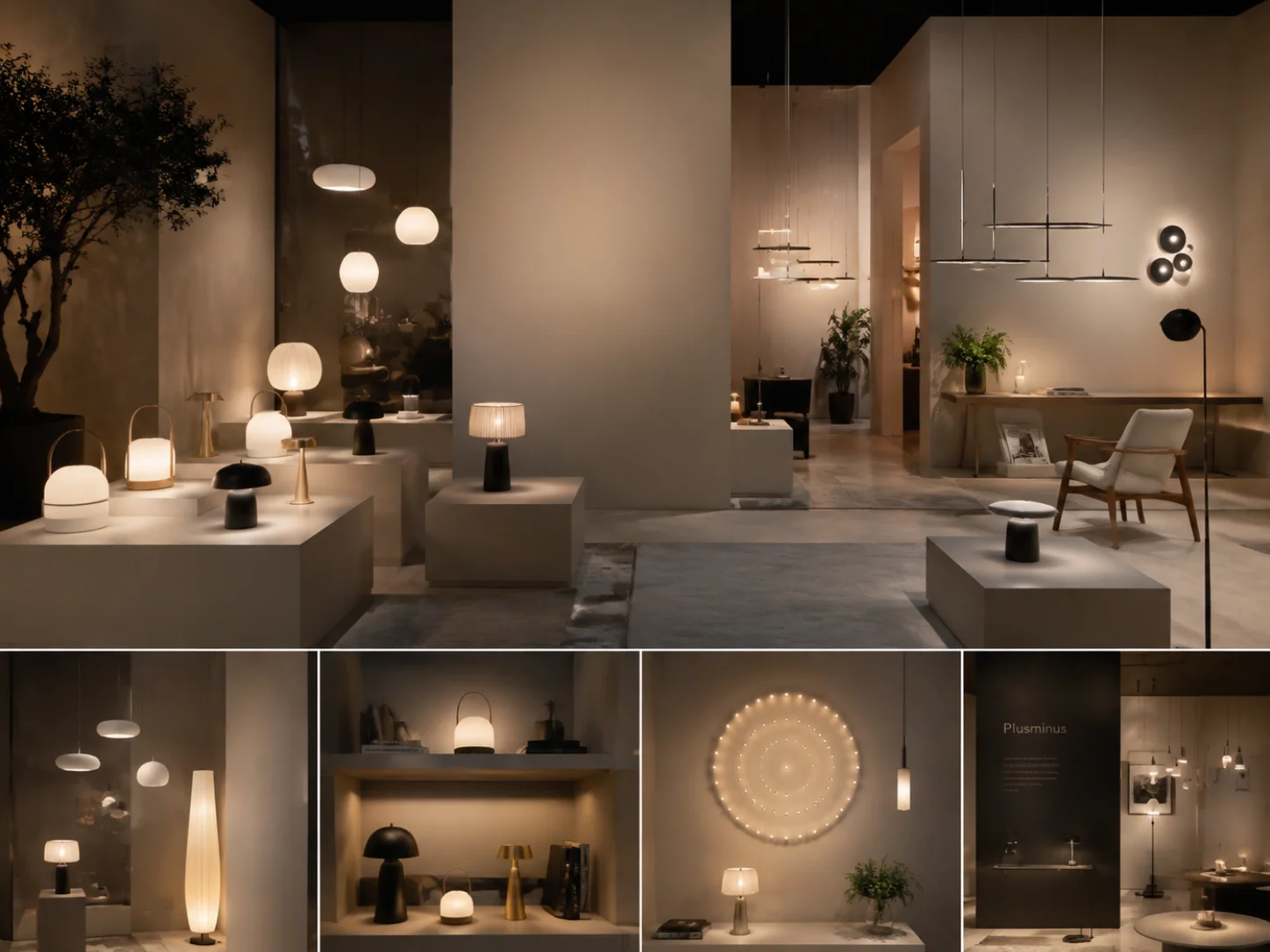
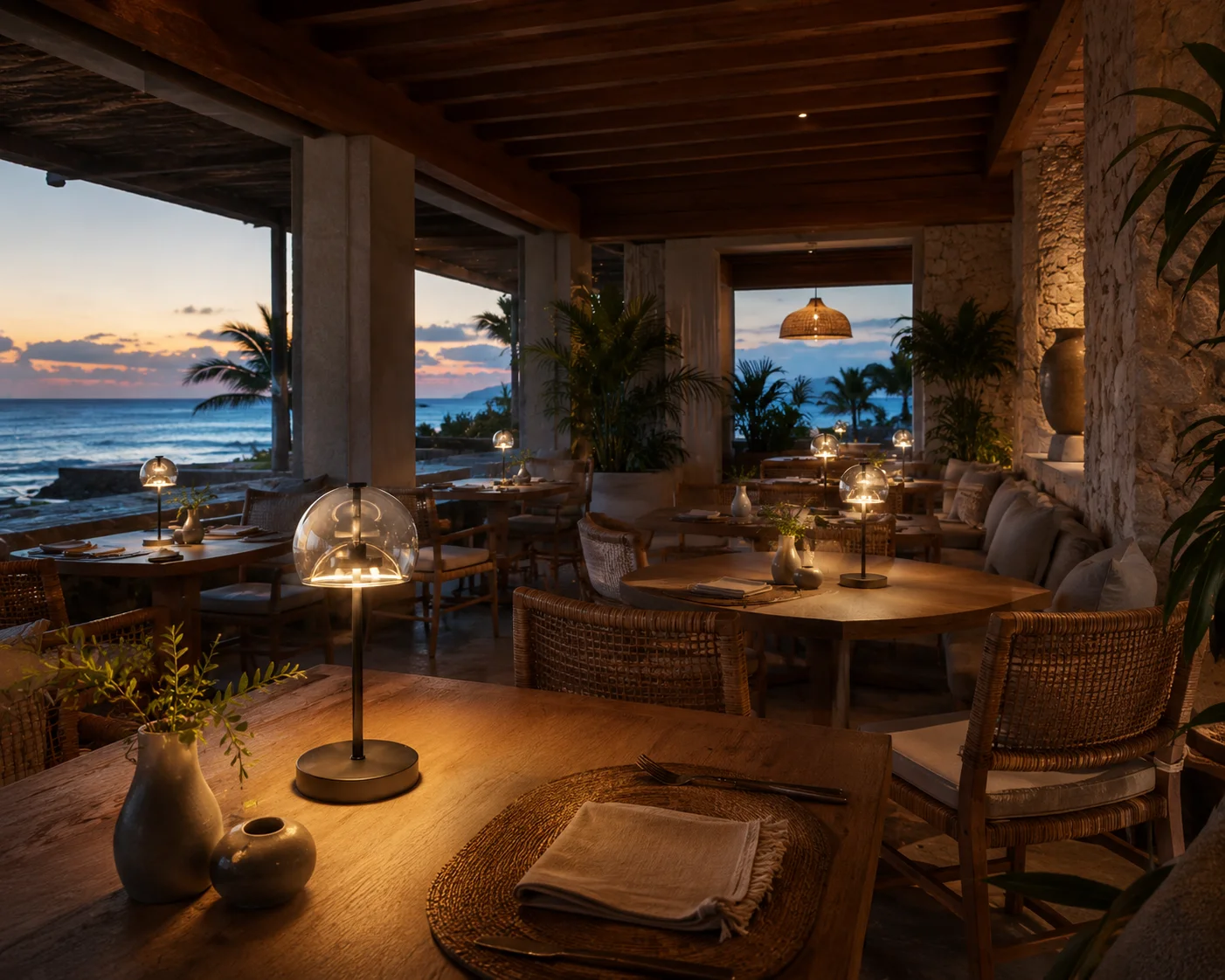
From restaurant tables glowing with portable lamps to hotels creating intimate lounge environments, lighting is moving beyond traditional boundaries.
The next growth opportunity in lighting may not come from creating more products for existing categories.
It may come from discovering new occasions where lighting can create value.
Traditional lighting follows a fixed logic:
One space → One lighting solution.
However, modern lifestyles are becoming more flexible.
Homes are no longer used only for sleeping and eating. They have become:
The same room can serve multiple purposes throughout the day.
A dining table can become:
This shift creates a new demand:
Lighting that adapts to changing lifestyles.
Portable and decorative lighting solutions are naturally positioned to meet this demand because they allow consumers to easily transform the atmosphere of a space without renovation, installation, or complicated setup.
The question is no longer:
“Where should this lamp be installed?”
The question becomes:
“What kind of experience can this light create?”
Consumers increasingly value experiences over purely functional products.
This trend can be seen across multiple industries.
Coffee is no longer only about caffeine.
Furniture is no longer only about comfort.
Hotels are no longer only about accommodation.
They are all selling emotions, memories, and experiences.
Lighting is following the same path.
A warm table lamp in a restaurant does not simply provide illumination.
It creates:
It helps create:
The future of lighting is not only about making spaces brighter.
It is about making spaces feel better.
The traditional lighting market often focuses on residential and commercial installation projects.
However, new applications are emerging.
Restaurants, hotels, and bars increasingly use decorative lighting to create distinctive environments.
Portable table lamps are becoming popular because they provide:
For hospitality businesses, lighting is no longer just part of the building infrastructure.
It is part of the customer experience.
Retail spaces are becoming more experiential.
Brands are investing in environments where customers want to stay longer, interact more, and share their experiences.
Decorative portable lighting can support:
For retailers, lighting creates another opportunity:
Not just to sell products, but to create environments customers remember.
The growth of social media and creator culture has created another unexpected lighting application.
Today, many people design personal spaces for:
Traditional professional lighting focuses on visibility.
But decorative lighting focuses on identity.
A lamp becomes part of a person’s visual environment and personal expression.
Portable lighting represents a significant shift in consumer behavior.
Unlike traditional lighting products, portable lamps offer:
Consumers can move lighting wherever they need it.
From:
One product can support multiple lifestyles.
Because portable lamps are closer to people and activities, they become part of daily experiences.
They accompany:
Unlike installed lighting, portable lamps do not require:
This creates more spontaneous purchase opportunities.
For retailers, this means lighting can move closer to categories such as:
The biggest opportunity is not simply selling more lamps.
It is expanding how consumers think about lighting.
Retailers can explore new category strategies by asking:
Future growth may come from creating new connections between lighting and:
Brands that successfully communicate these new applications can help consumers discover needs they did not previously recognize.
The lighting industry has always focused on solving a functional problem:
“Can people see clearly?”
But the next generation of lighting will answer a different question:
“How do people want to feel in this space?”
This does not mean functionality becomes irrelevant.
Quality, performance, reliability, and safety remain essential.
However, these elements are becoming the foundation rather than the final selling point.
The future opportunity lies in combining:
Functional performance + Emotional value + Spatial experience
The next growth opportunity in lighting may not come from creating another version of an existing lamp category.
It may come from recognizing that lighting belongs wherever people create meaningful moments.
Anywhere people gather, connect, and express themselves.
For lighting brands and retailers, the question is no longer:
“Where do we install lighting?”
The better question is:
“Where can lighting create a better experience?”
The companies that discover these new opportunities will not simply sell more lighting products.
They will help redefine what lighting means in modern life.