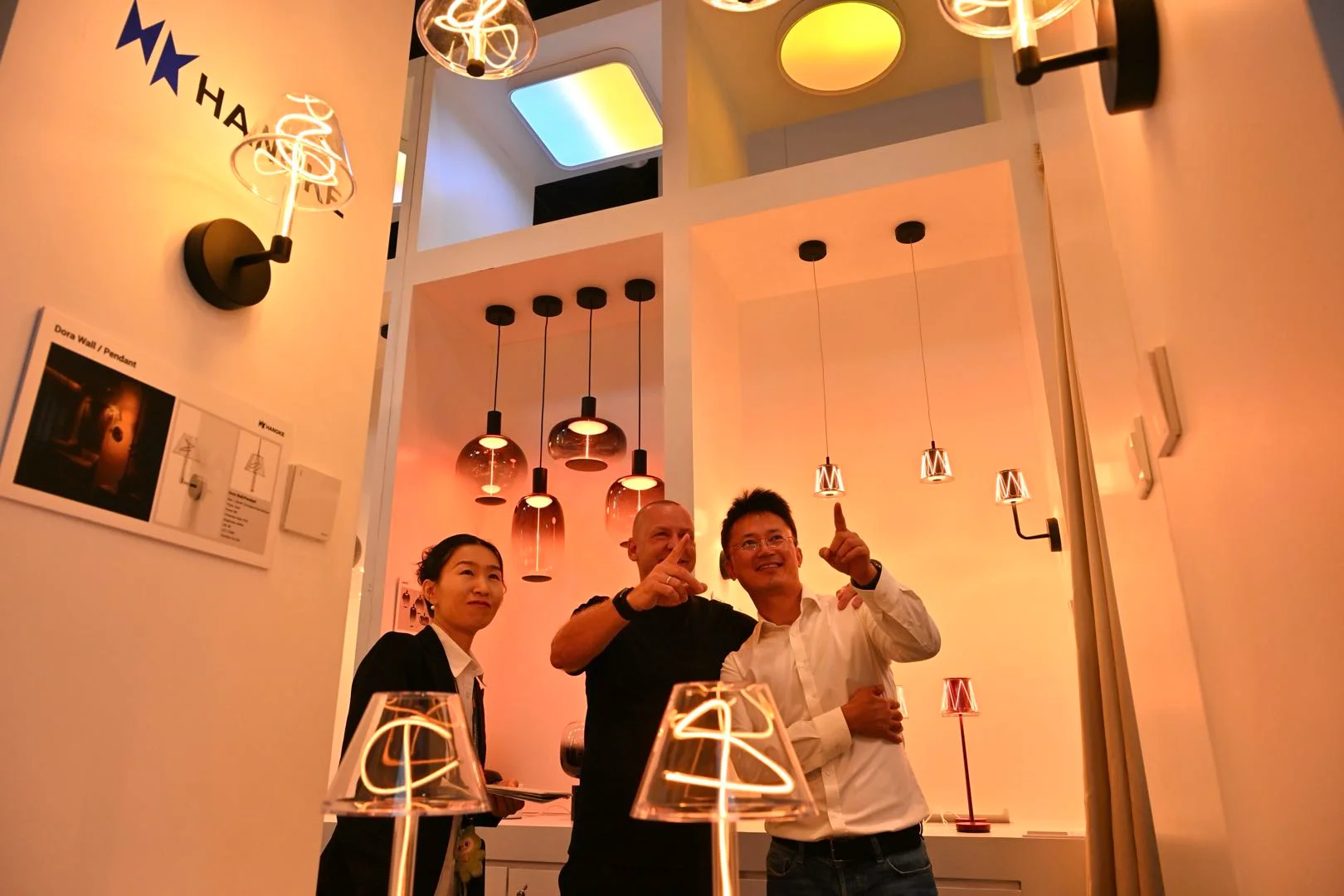
Hong Kong Lighting Fair 2026 Recap: Trends from Our Booth
Four days at the Hong Kong Convention and Exhibition Centre, the design currents buyers responded…

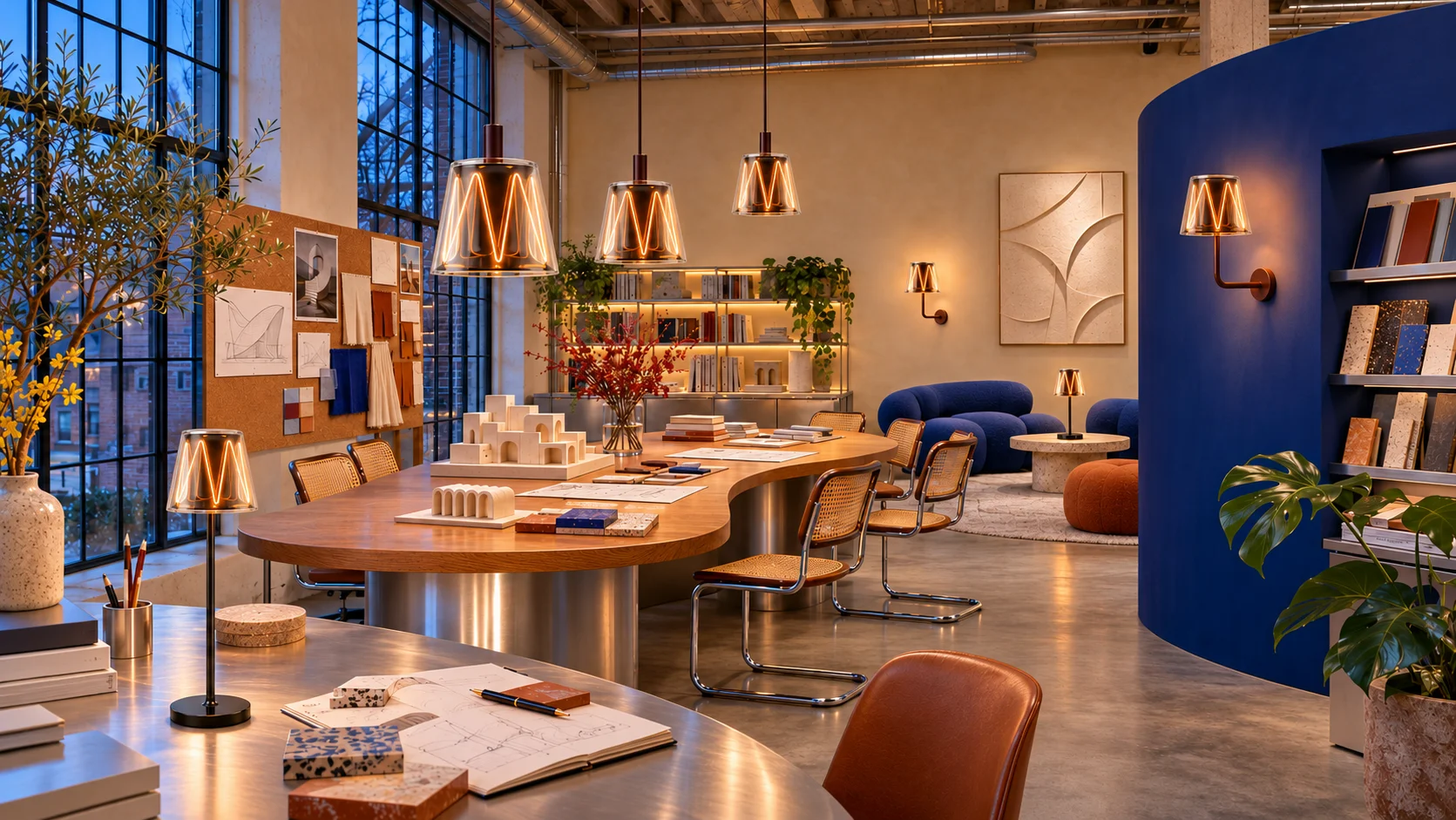
Walking through a well-merchandised lighting showroom in 2026, one thing stands out: almost no room is lit by a single fixture. A pendant over the table, wall lights softening the perimeter, a table lamp at eye level — the room reads as one composition, not one product.
Design coverage through 2026 has made the same case repeatedly. Editors and designers describe layered lighting — combining ceiling, wall, and portable sources at different heights — as the move away from recessed-only, single-fixture rooms. For retail buyers and bulk purchasers, this is more than a style note. It changes what a competitive assortment looks like, and where the profit sits in it.
Layered lighting is usually explained with three terms: ambient, task, and accent. Buyers can translate the same idea directly into a SKU plan:
A room solution, in other words, is a three-to-four SKU bundle across different mounting types. Retailers whose catalogs only cover one layer leave the other layers to competitors — often at the moment the customer is most willing to add to the basket.
The commercial logic is straightforward. A customer who buys a pendant for the dining table still needs light on the walls and on the sideboard. If the same supplier offers a wall and table version in the same design language, the attach happens inside one order. If not, the basket is split across brands — and the second and third units of that sale are gone.
Two structural points are worth noting for assortment planning:
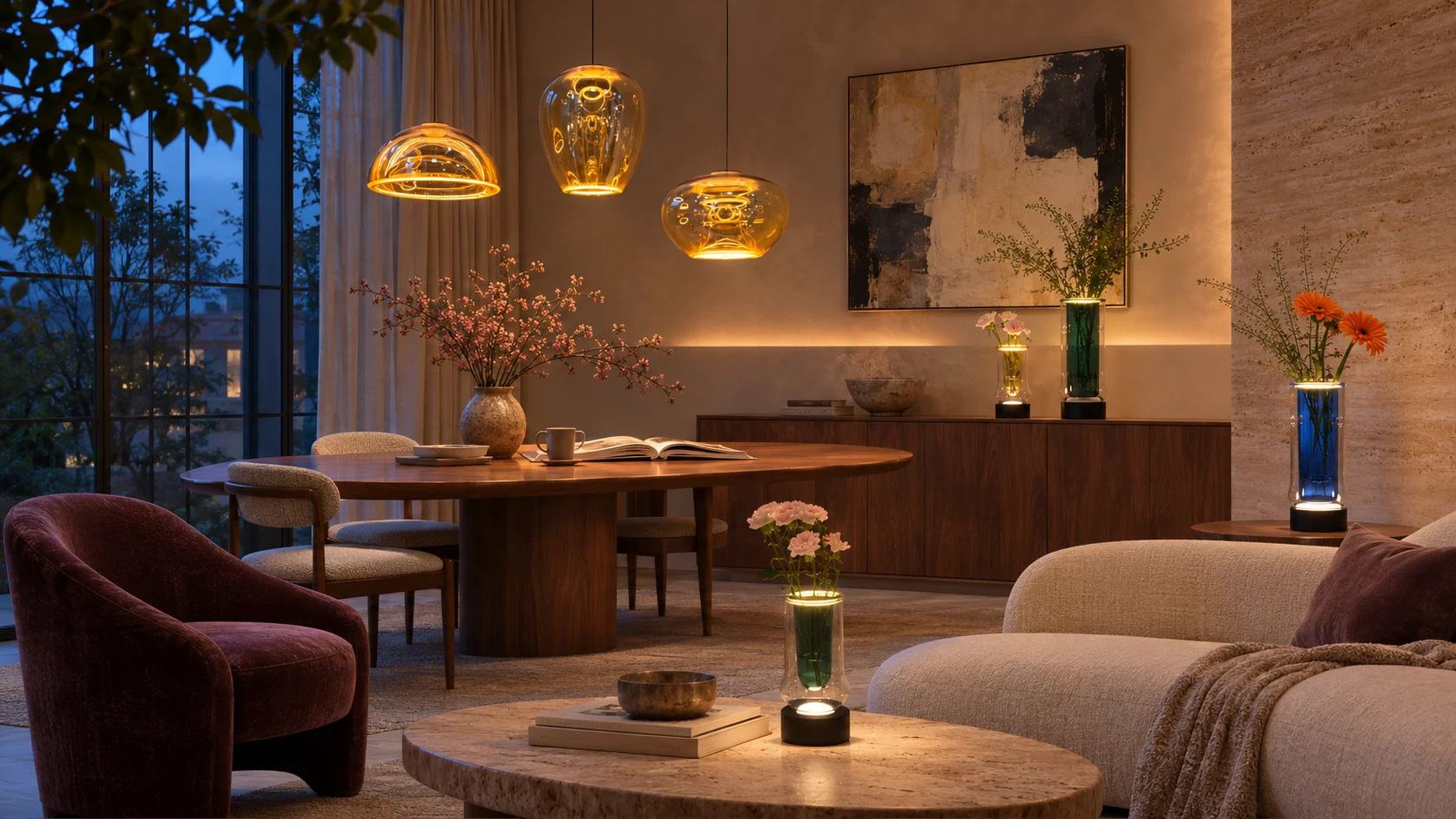
One caution from the design side matters here. Designers have been explicit that furnishing an entire room with identical matched fixtures — the same family repeated in every position — tends to read as a builder showroom rather than a curated interior. The winning formulation is a coordinated family: pieces that share a finish, proportion, or construction language, but vary in form and scale.
For buyers, that is a precise sourcing brief. What sells in a layered scheme is not ten identical lamps; it is a family with enough formal range to be mixed confidently — a pendant for the center, a slimmer wall version for the perimeter, a table scale for close-range light.
Sourcing a coordinated series from one manufacturer keeps finish and batch consistency under one roof, which is difficult to achieve when the layers come from different suppliers. Practical checks before committing:
This is how Hangke’s decorative lighting range is structured. Solar Corona and Stella each run as 360° LED filament families covering pendant, wall, and table formats — one design language, three positions in the room. Cup Cake extends the same logic with five SKUs spanning pendant, wall, table, and two floor-standing sizes.
For a retail buyer, that means a layered room scheme can be assembled within a single series and a single order — ceiling, wall, and floor layers with consistent finishes — rather than negotiated across several suppliers. The full decorative range, including linear and sculptural pieces, is outlined on our decorative lighting manufacturer page.
Layered lighting will keep rewarding catalogs planned as families rather than single fixtures. The brands that win the basket are the ones holding all the layers. To discuss a series-based sourcing program, reach our team via the contact page.