Restaurant Pendant Lighting: A Buyer’s Guide for Hospitality
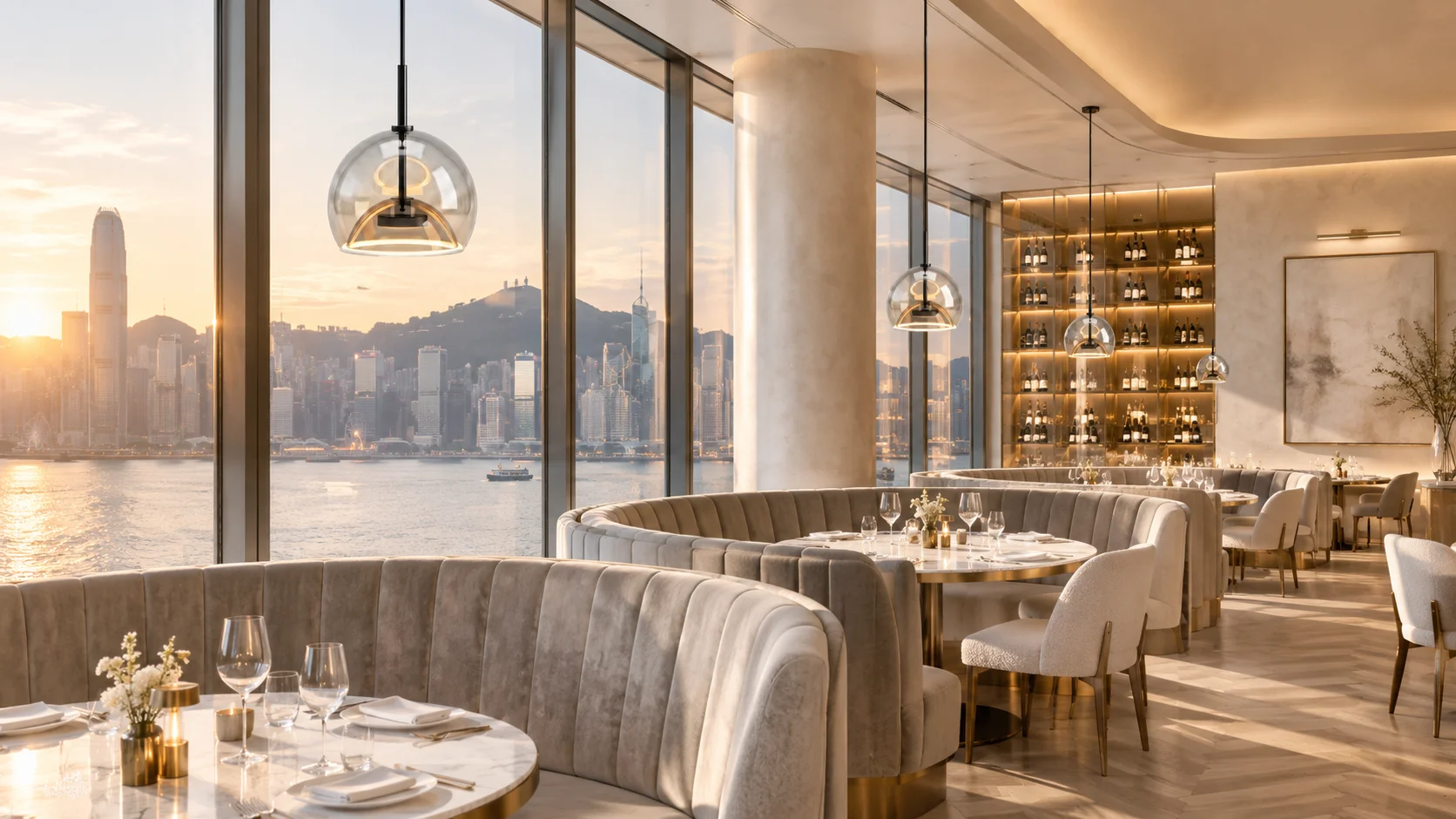
A pendant in a restaurant holds the hardest job in decorative lighting. It has to…

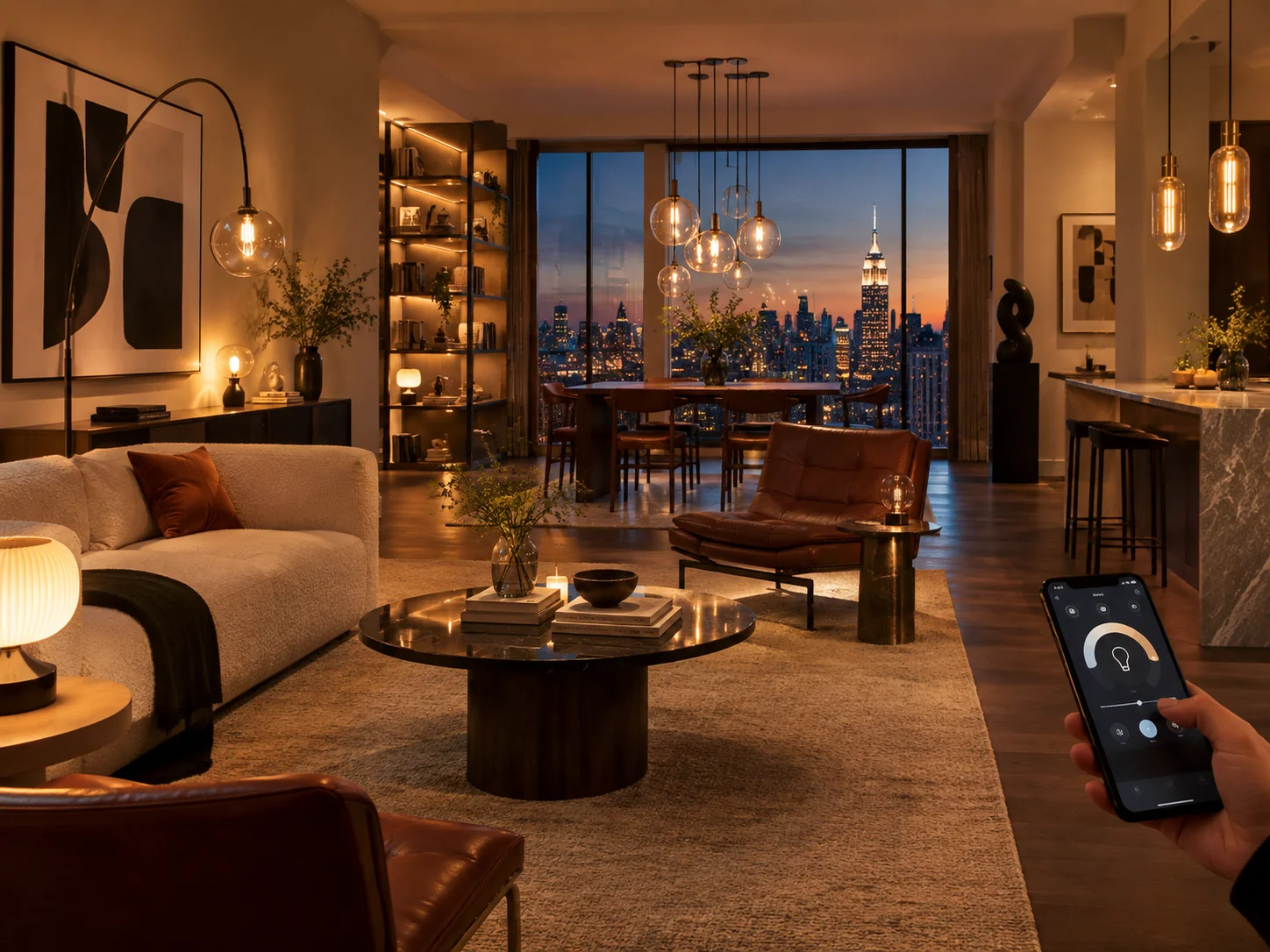
A smart bulb without its lighting control system is a bulb with a radio inside. If you source lighting for a brand or a retail shelf, that distinction decides your roadmap more than any feature list.
Ask ten people in lighting what makes a bulb “smart” and most answers will converge on the same stack: a protocol such as Zigbee, Bluetooth or Matter, a hub or app doing the scheduling and grouping, firmware that keeps it all updated, and increasingly sensors that decide things without waiting for a tap. The bulb itself is the last metre of that chain — a light source with a radio, an endpoint that executes what the system tells it. Put plainly, the smart lighting control system is the product you are actually buying — the bulb is the part that glows.
This is not a contrarian take. It is close to a consensus position in the industry now, which is exactly why it deserves a closer look from buyers. When everyone agrees where the value sits, the interesting question becomes what you, the buyer, should do about it.
A decorative fixture is designed to live in a room for a very long time — it is furniture with a light source in it. A home lighting control system lives on a much faster clock: apps get rewritten, hubs reach end of support, ecosystems merge or get retired. Buyers who embed the intelligence inside the fixture inherit that faster clock.
This shows up in three practical places:
There is no single right answer, but there are three coherent strategies — and the worst position is drifting between them.
Whichever route you choose, these are the questions that separate a factory that has shipped smart lighting from one that has only quoted it:
Notice that five out of five questions are manufacturing questions, not software questions. That is the quiet implication of the consensus: when the intelligence lives in the system, the buyer’s manufacturing partner becomes the long-term counterparty — the ecosystem is rented, the fixture is owned.
Hangke manufactures decorative and LED filament lighting for brands, retailers and wholesalers — the LED filament bulb range, dual-glass systems like the Twins Series, and custom ODM fixture development. Our position follows from the argument above: we build long-lived, design-led endpoints — standard bases, stable colour temperatures, dimmable drivers — and we support buyers who take either route on the control layer, including module-integrated development where the project calls for it. If you are mapping this decision for your own assortment, start from our decorative lighting ODM overview.